

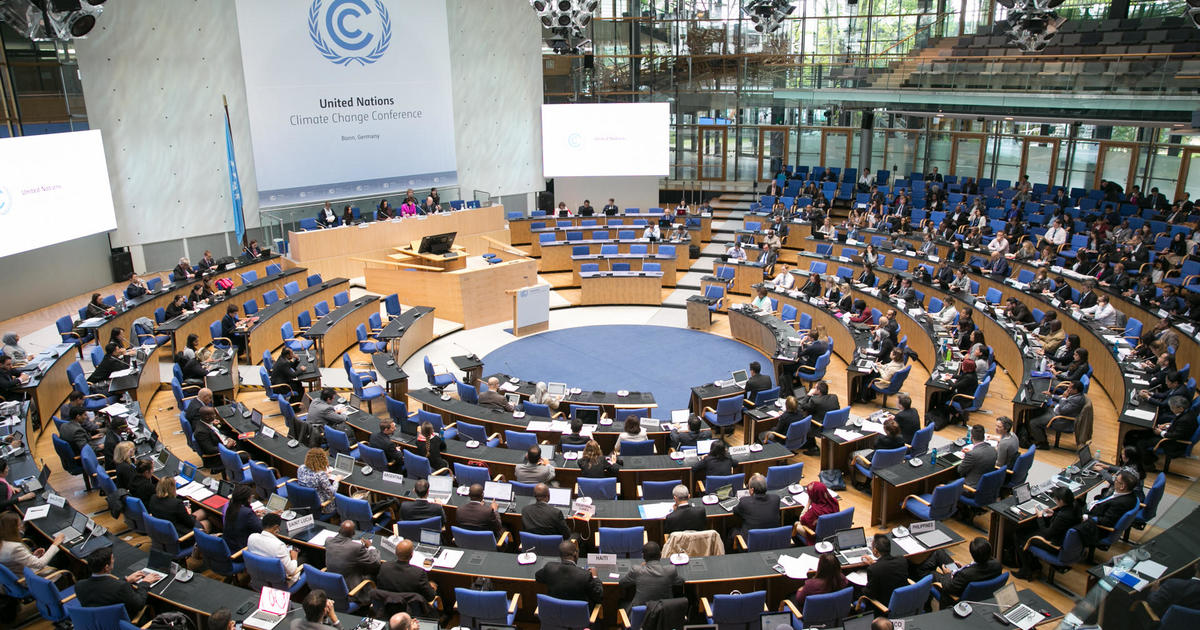
In 1995, Berlin, Germany hosted the inaugural Conference of the Parties (COP). It was during this landmark event that two crucial subsidiary bodies were established: the Subsidiary Body for Scientific and Technological Advice (SBSTA) and the Subsidiary Body for Implementation (SBI). These bodies laid the foundation for future concrete actions. In the following year, the global community convened in Geneva, Switzerland for the second Conference of the Parties. This meeting acknowledged and affirmed the relevant research findings on human activities and climate change, which would serve as a basis for future international negotiations on emissions reduction.
Forging the Foundation: the Kyoto Protocol
The third conference holds tremendous importance as it witnessed a milestone achievement: the adoption of the Kyoto Protocol. This pivotal moment defined targets and timelines for reducing greenhouse gas emissions. However, the Protocol’s effectiveness hinged on stringent conditions, and the withdrawal of the United States, a major global emitter, also posed a challenge to the implementation. Consequently, in the years following COP3, the primary focus revolved around garnering broader acceptance of the agreement and formulating tailored implementation plans to ensure active participation from more nations.
The Copenhagen Accord: A Promising Start or Missed Opportunity?
In 2009, COP15 adopted the “Copenhagen Accord,” which mandated that developed countries provide $30 billion in support to developing nations for climate change adaptation between 2010 and 2012. Additionally, developed countries were expected to contribute $100 billion per year in long-term funding by 2020 to combat the impacts of climate change. Unfortunately, the Copenhagen Accord’s effectiveness was hindered by its non-binding nature, leading to suboptimal implementation outcomes.
Setting the Bar: The Paris Agreement’s Definitive Target of 1.5 Degrees
The COP21 held in Paris, France in 2015 marked an unprecedented turning point. Not only did it replace the Kyoto Protocol with the “Paris Agreement,” but it also clearly set the goal of limiting global temperature rise to well below 2 degrees Celsius by the end of the 21st century, with an even more ambitious target of 1.5 degrees Celsius. The agreement called for countries to submit their voluntary contributions known as Nationally Determined Contributions (NDCs) and undergo periodic reviews of their emission reduction efforts. Furthermore, the agreement introduced mechanisms such as carbon pricing, carbon taxation, and carbon trading to incentivize emissions reductions, viewed as a crucial step towards achieving substantial carbon cuts in the future.
In more recent developments, COP26 adopted the “Glasgow Climate Pact.” Notably, this agreement made history by explicitly incorporating the notion of “phasing out fossil fuels” into its provisions, signifying a significant and decisive shift away from the coal era.
Global Warming on the Rise: A Looming Era of Scorching Heat Waves
Although the consensus and target of keeping global warming within 1.5 degrees Celsius have been established since the 2015 Paris Agreement, there have been ongoing debates on how to effectively achieve this goal and determine the respective responsibilities of nations. Therefore, at COP26 held in the UK in 2021, the target of 1.5 degrees Celsius was once again emphasized. COP26 is widely regarded as a crucial summit for global climate action as it demands a halving of global greenhouse gas emissions by 2030 and achieving net-zero emissions by 2050 in order to have a chance at achieving the goal.
In 2022, extreme climate events ravaged the globe, with record-breaking floods and heatwaves occurring in various regions. According to the World Meteorological Organization (WMO), the task of keeping global warming within 1.5 degrees Celsius is now deemed “almost impossible to achieve.” The National Aeronautics and Space Administration (NASA) also stated that even if all greenhouse gas emissions were immediately halted, sea levels would still rise by at least 27 centimeters within the next 50 years, significantly increasing the probability of disasters in coastal areas.
Leading global corporations have also joined the chorus in committing to “net-zero emissions.” For example, Apple has boldly proclaimed their “No Net Zero, No Business” policy. With Apple already having eliminated 8% of non-compliant suppliers in their upstream and downstream operations in 2020, many companies are now feeling the pressure to expedite their carbon neutrality efforts.

Unraveling the Controversies Surrounding Loss and Damage Mechanisms for Climate Damages
In addition to the devastating impact of natural disasters, the worrisome chain reactions triggered by climate change have raised serious concerns. According to the Intergovernmental Panel on Climate Change (IPCC)’s “Special Report on Climate Change and Land” report, global food production may decrease by up to 30% by 2050. What’s more, with the projected world population exceeding 10 billion by then, we are bound to face heightened resource competition and severe shortages of agricultural and water resources.
When it comes to climate change, it is often the most vulnerable and impoverished nations that bear the brunt of extreme natural disasters. African countries and Pacific island nations, despite having historically contributed lower carbon emissions, find themselves on the frontline of the harshest climate crises, even facing the existential threat of their very existence. In light of this, when Egypt hosted COP27 in 2022, the demand for “climate justice” was passionately raised, reigniting discussions on the “loss and damage” compensation mechanism established during COP19 in 2013. The purpose of this mechanism is to create a dedicated fund, beyond existing climate finance programs, to aid impoverished nations in post-disaster recovery. This concept traces its roots back to the United Nations Framework Convention on Climate Change, which introduced the principle of “common but differentiated responsibilities.” It stresses that climate change is a global challenge, and countries must protect the climate system based on a fair foundation, considering their shared but differentiated responsibilities and respective capacities.
However, there are differing interpretations between developed and developing countries concerning implementing the principle of “common but differentiated responsibilities.” Developed countries emphasize the “common principle,” asserting that climate change is a shared global challenge that requires collective action from all nations. They argue that economic development should not be used as an excuse to shirk substantial emission reduction responsibilities. On the other hand, developing nations place emphasis on the “differentiated principle,” highlighting that developed countries have historically emitted significant greenhouse gasses during their economic growth. They believe that developed nations should bear the primary responsibility, rather than burdening developing countries with the consequences of past actions.
As a result, the necessity and effectiveness of loss and damage mechanisms for climate damages remain contentious. Some representatives from Western countries have even displayed a negative stance towards this issue during the conferences. Currently, the Loss and Damage Fund of $100 billion has been officially established to provide financial aid to countries that face immense climate change impacts despite contributing relatively low carbon emissions. However, this topic necessitates further extensive discussions and negotiations to find a mutually agreeable resolution that satisfies all parties involved.
Recommend for you:
From Words to Action: Global Leaders on the Verge of Transforming Climate Commitments at COP28