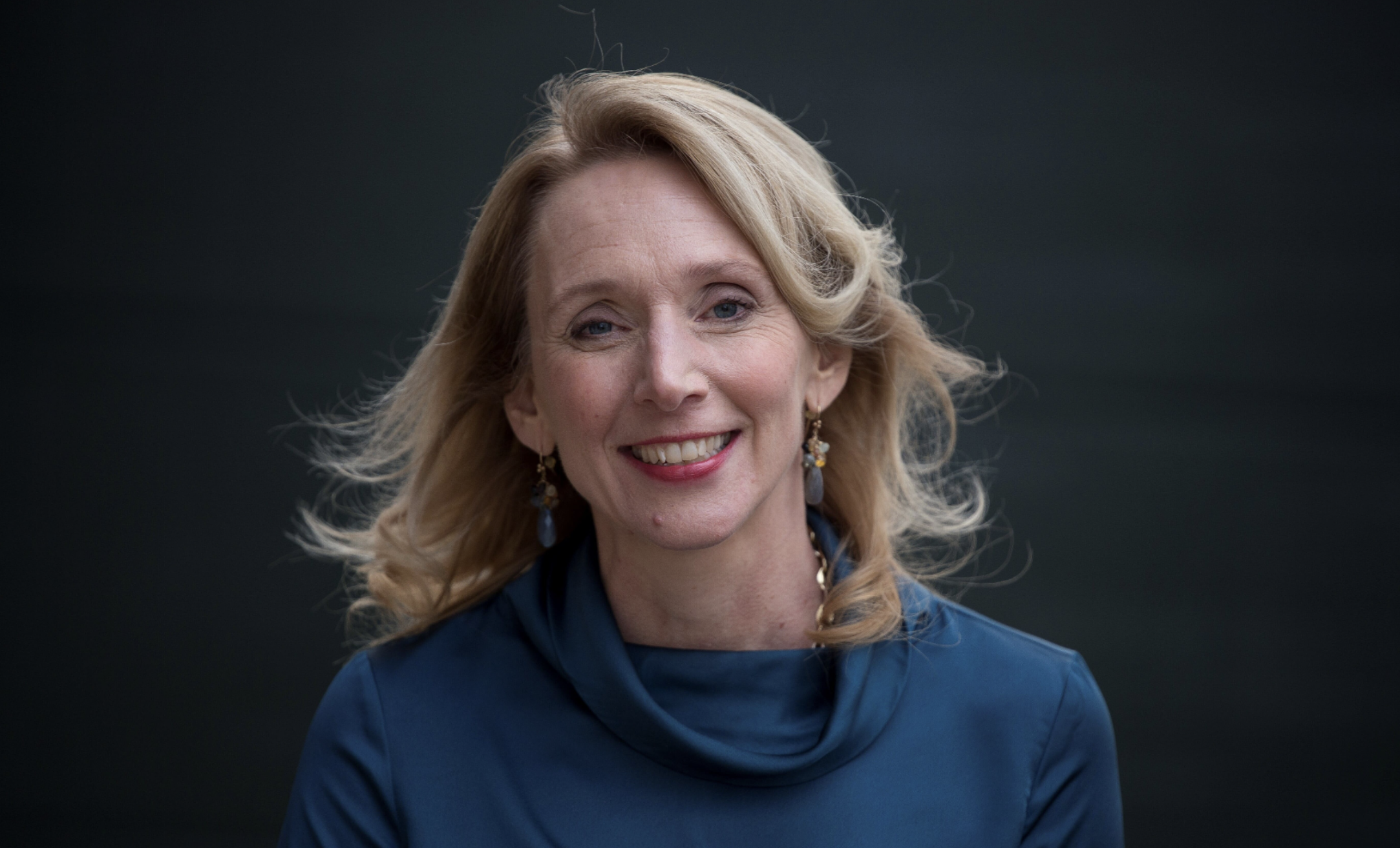

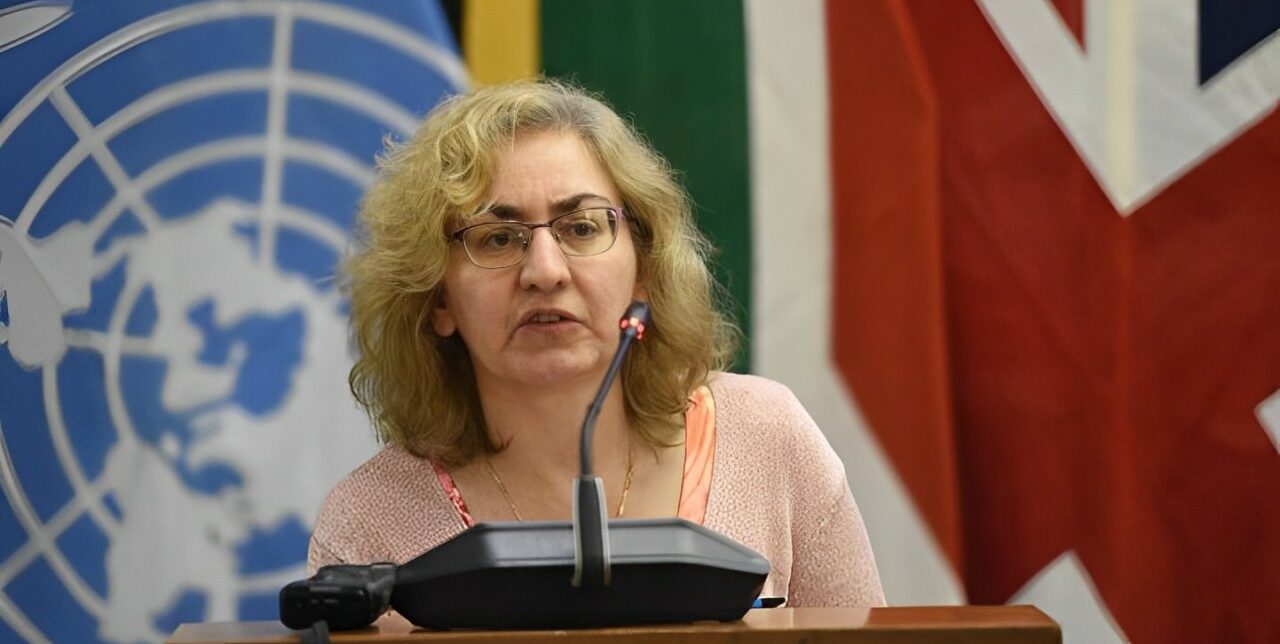
Elizabeth Sidiropoulos, Chief Executive of the South African Institute of International Affairs (SAIIA), shares her perspective on how youth leadership can shape South Africa’s climate future. During our discussion, she emphasized the pivotal role young South Africans have played in contributing to the country’s climate action policies, particularly as the world approaches COP29. She stresses the need for strong youth involvement in shaping effective policies and pushing for immediate action on the climate front.
Centralizing Youth Perspectives in Climate Policy
Sidiropoulos highlights that youth involvement in climate policy is not just beneficial—it is essential for achieving equitable climate justice. “Young people across South Africa are not simply interested in the climate debate, they are leading it with demands for an intersectional approach to climate justice,” she says. “This approach must consider environmental stability alongside social equity, recognizing how intertwined these issues are for the country’s future.”
The statement crafted by 23 young South Africans for COP29 reflects a nuanced understanding of the connection between environmental and social issues, something Sidiropoulos believes policymakers should take very seriously. “They have pointed out that climate justice is intrinsically linked to social justice,” she explains. “If we fail to include these dimensions, we risk ignoring the lived experiences of millions of South Africans who face both climate vulnerabilities and systemic inequalities.”
Referencing recent initiatives from Youth@SAIIA, she stressed how crucial it is to make these young voices heard. Sidiropoulos pointed out, “Youth are often among the first to experience the impacts of climate crises, particularly in marginalized areas where access to basic resources is already limited. By including young leaders in the policymaking process, we ensure that climate solutions are not only impactful but also equitable.” For her, integrating youth voices into policy decisions means ensuring climate actions are tailored to address both the environmental and social realities of communities.
Finance and Social Justice: The Youth’s Call at COP29
As the international community prepares for COP29, Sidiropoulos spoke about the financial aspect of climate action, emphasizing the central role of climate finance in addressing environmental injustice. She acknowledged the urgency of meeting the expectations set by young people regarding finance, which they see as an essential pillar in the fight against climate change. “The youth have been very clear in their demands—especially on issues of climate finance. They are calling for a transition away from debt-heavy financing models, favoring grants and direct investments that alleviate the economic burden on developing nations like South Africa.”
She applauded the establishment of the Loss and Damage Fund during COP28 as a positive step forward, but she also emphasized the need for clear financial pathways to ensure the fund is effective. “It’s not enough to establish a fund; we need transparency and accessibility. The funds must reach those who need them most, particularly communities on the frontlines of climate impacts,” she states. “Young South Africans understand that effective climate finance is about more than simply writing checks—it’s about dismantling systemic inequalities that make vulnerable communities even more susceptible to climate crises.”
According to Sidiropoulos, the key focus for COP29 must be making funds available in an equitable manner, and efficiently. She pointed to the challenges faced by Global South countries that continue to be trapped in cycles of debt, limiting their ability to invest in adaptation and mitigation measures. “South African youth are pushing for debt relief as a legitimate climate strategy, particularly as it would free up resources that can be directed towards local adaptation and resilience projects. They want a shift away from debt-dependent solutions towards mechanisms that genuinely uplift affected communities.”
Youth-Led Solutions and Bridging Gaps
Another core issue raised by Sidiropoulos is the necessity for more inclusive platforms that allow marginalized groups to influence climate policy. She highlighted the critical role that community-based organizations play in translating policy into practical action. “Community-based organizations often serve as the bridge between high-level climate discussions and the lived experiences of vulnerable communities. They are key in translating abstract policies into tangible, local action,” she explains.
She further noted that young people are increasingly seeking platforms to create localized, community-driven solutions. “The South African youth have made it clear that they are ready to work on the ground, whether it is in sustainable agriculture, waste management, or renewable energy. But they need the right kind of support—financial, technical, and educational.”
Sidiropoulos also reflected on the recent strides South Africa has made in urban development through initiatives such as the Lanseria Smart City project. “It’s encouraging to see integrated, low-carbon urban planning starting to take root in South Africa,” she said. “But we need to scale these initiatives to ensure that marginalized urban communities also benefit from climate adaptation efforts.”
Future Pathways for Youth Engagement
In discussing how to strengthen youth engagement moving forward, Sidiropoulos underscored the need for long-term planning. “We need structures in place that will continue to empower young people far beyond the discussions at COP29,” she argued. “Establishing youth advisory councils, enhancing climate literacy, and supporting climate-specific education are essential elements for building resilient future leaders.”
“Ensuring that young people are equipped not only to participate but to lead, is fundamental for achieving our broader climate goals,” she concluded. Sidiropoulos believes that the demands of young South Africans leading up to COP29 should serve as a wake-up call for global leaders—an urgent reminder that the decisions taken today will shape the future of the next generation.
Recommend for you:
COP29 Leaders|Eamon Ryan to Use COP29 Climate Talks to Challenge Israel Over Gaza Conflict