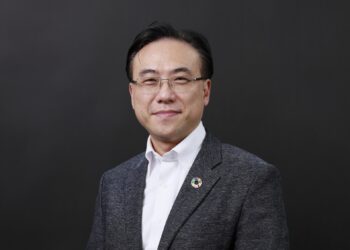


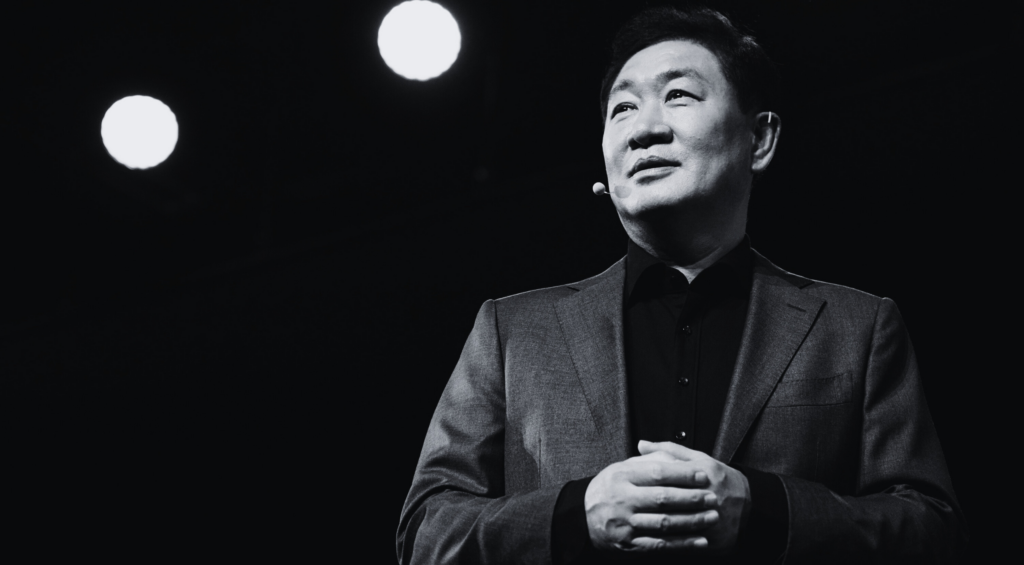
On 25 March 2025, Han Jong-Hee, Co-CEO of Samsung Electronics, passed away suddenly due to cardiac arrest at the age of 63. His unexpected departure sent shockwaves through the global technology and industrial sectors, marking the loss of a visionary and pragmatic leader in the field of corporate sustainability. As the head of Samsung Electronics’ Device eXperience (DX) division, Han oversaw far more than just product lines — he led a deep transformation encompassing corporate culture, technological innovation, and social responsibility. He was not only a pioneer in revolutionising global television and consumer electronics but also a driving force in repositioning sustainability from a peripheral concern to a central strategic priority.
During his leadership, Samsung Electronics gradually built a comprehensive ESG framework that permeated all aspects of its operations — from energy transition and supply chain decarbonisation to circular economy initiatives and employee wellbeing. Every move reflected Han’s core belief: that the advancement of technology must not serve efficiency and profit alone, but must also carry responsibility towards society and the planet. In the 2024 Samsung Sustainability Report, Han personally articulated the company’s direction for the future: “We are not merely responding to present-day challenges — we are shaping a more sustainable future.”
In the face of escalating climate crises and increasing pressure on global resources, Han recognised the indispensable role of corporations. In numerous public addresses, he repeatedly emphasised that sustainability is no longer optional; it is the foundation of any company’s ability to survive and remain competitive in the years to come. Under his guidance, Samsung returned to first principles — reinforcing R&D, streamlining operations, and embedding sustainability at the heart of innovation.
“Innovation is our core response to future challenges. It is not only a technological duty — it is our promise to the next generation.”
Climate Change Challenges: Samsung’s Strategic Response
In response to the growing challenges of climate change, Samsung Electronics has implemented a series of proactive measures to reduce its environmental impact and accelerate the adoption of renewable energy.
“Our goal is to achieve net-zero emissions in the DX division by 2030,” said CEO Han Jong-Hee, underlining the company’s long-term ambition. He acknowledged that this goal is highly ambitious, particularly given the complexities of deploying such strategies across various global sites. Nonetheless, Samsung has made significant progress — by the end of 2023, the DX division had already reached 93.4% renewable energy usage, with a target of reaching 100% by 2027.
In its pursuit of net-zero, Samsung has also turned its attention to the carbon footprint of its supply chain. According to the company’s environmental division, efforts are not limited to reducing Samsung’s own emissions. The company is also committed to lowering the carbon output across the full lifecycle of its products — including material sourcing, manufacturing, transportation, usage, and end-of-life recycling.
Collaboration with suppliers is seen not merely as a matter of compliance, but as a joint effort to tackle climate change. Samsung has been actively working with a wide network of global suppliers to help them set and meet specific greenhouse gas reduction targets. These partnerships are not just symbolic; Samsung supports its suppliers with hands-on guidance and specialised training to ensure they can achieve measurable reductions in emissions.
This approach reflects Samsung’s leadership and sense of responsibility in addressing climate challenges. By working closely with its suppliers, Samsung ensures that each stage of the supply chain contributes meaningfully to reducing the overall carbon footprint. This top-down environmental strategy signals that the company is not only advancing its own sustainability agenda but also helping to lead the wider industry towards a low-carbon future.

Circular Economy and Maximising Resource Efficiency
As part of its sustainability strategy, Samsung Electronics is advancing a circular economy approach that prioritises material reuse and effective electronic waste management. The company has set a goal to transition all plastic components in products from its DX division to recycled resins by 2050, thereby reducing dependence on virgin plastics and contributing to the global advancement of plastic recycling technologies.
In the area of e-waste management, Samsung aims to recover 10 million tonnes of electronic waste by 2030. This effort involves partnerships with local recycling firms and international organisations to expand its global recycling network. At the same time, Samsung is investing in enhancing the capacity and technical sophistication of its recycling systems, ensuring that discarded materials are efficiently reintroduced into the resource cycle.
These strategies not only improve resource efficiency but also help mitigate environmental risks. By balancing economic and environmental benefits, they represent Samsung’s tangible commitment to taking responsibility for the planet’s future.
A Comprehensive Commitment to Social Responsibility: Safeguarding Wellbeing from Employees to Communities
Beyond its environmental efforts, Samsung Electronics has made significant commitments in the areas of social responsibility and corporate governance. The company has implemented various measures to ensure the well-being of its employees, suppliers, and communities.
“Our employees are our greatest asset, so we are committed to providing them with a safe, healthy, and inclusive work environment,” explained the head of HR at Samsung Electronics. He further noted that the company has introduced a range of policies to promote career development and to ensure that employees’ rights are fully protected.
In managing its supply chain, Samsung has introduced the Eco-Partner Certification Program to ensure that suppliers adhere to rigorous environmental and social standards. Suppliers are required to submit environmental assurance reports, and Samsung conducts regular audits to verify compliance with these strict standards.
A senior supply chain manager highlighted that the company’s collaboration with suppliers goes beyond commercial transactions—it is a shared responsibility. He emphasised that Samsung works closely with its suppliers to ensure that every link in the supply chain meets sustainability criteria.
An Innovation Blueprint for Tackling Future Environmental Challenges
Under the leadership of CEO Han Jong-Hee, innovation remained central to Samsung Electronics’ strategy in addressing future challenges. Han consistently emphasised that companies must continue to invest in the development of environmentally conscious technologies, while refining product design and manufacturing processes to improve resource efficiency and reduce environmental impact. This philosophy was deeply embedded in every sustainability initiative he led.
In its 2024 Sustainability Report, Samsung Electronics presented a systematic approach to addressing global environmental and social challenges. Confronting critical issues such as climate change and resource scarcity, the company accelerated the adoption of renewable energy, embraced circular economy principles, and improved water resource management — all reflecting its proactive role as a global industry leader in sustainability. The company’s commitment extended beyond reducing its own carbon footprint; by strengthening collaboration across its supply chain, Samsung magnified its positive environmental impact throughout the entire product lifecycle.
In terms of social responsibility and governance, Samsung continued to enhance its support for employees, suppliers, and local communities — striving to build a sustainability framework that balances corporate performance with human-centred values. Amid an increasingly complex global landscape, the company recognised that its achievements thus far were merely the starting point for more ambitious, long-term sustainability goals.
Under Han’s guidance, Samsung Electronics established a clear long-term roadmap with key milestones set for 2025, 2030, and 2050. These include achieving 100% renewable energy usage across all global operations, fully integrating circular economy practices, strengthening water and pollution management systems, and ultimately reaching net-zero carbon emissions and zero waste operations by 2050.
This vision not only reflects Han Jong-Hee’s deep foresight but also embodies a lifelong conviction: that innovation must be the driving force towards a better future — one where technology not only transforms lives but also safeguards the planet and supports society. While his passing is deeply mourned, the sustainable blueprint he crafted continues to guide Samsung Electronics, lighting the path forward for global progress in sustainability.
Recommend for you: