
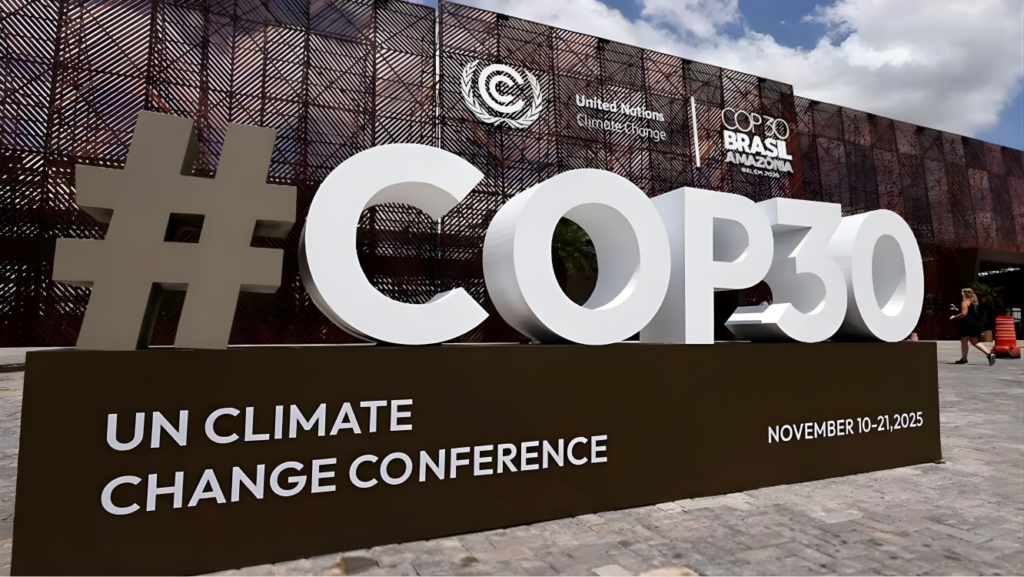
In the warm, humid air of Belém, Brazil, COP30 has emerged as a defining moment in global energy governance. Unlike previous conferences, which were often dominated by grand visions and long-term pledges, this year’s COP30 felt distinctly pragmatic — the world is searching for energy pathways that can truly be implemented, scaled, and mobilized at the level of society itself. Against this backdrop, household-level smart energy has, for the first time, taken center stage in the international climate agenda.
For decades, national governments and large-scale infrastructure have been the main protagonists of the global energy system. Yet as extreme heat, cold snaps, torrential rain, and hurricanes occur with record frequency, the structural weaknesses of traditional centralized grids are increasingly exposed. Energy ministries around the world are now grappling with the same fundamental question: should energy security shift from centralized to distributed? Should households become more autonomous, resilient, and participatory nodes within the energy network? This is not merely a technological question, but a profound structural transformation in global governance. Within this context, EcoFlow’s showcase of portable and home-storage solutions, especially the comprehensive smart home energy solution, stood out at COP30 as one of the most practical and forward-looking responses.
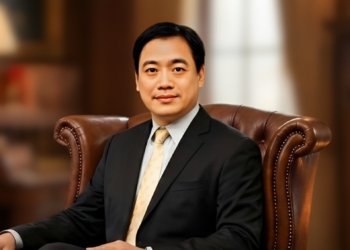
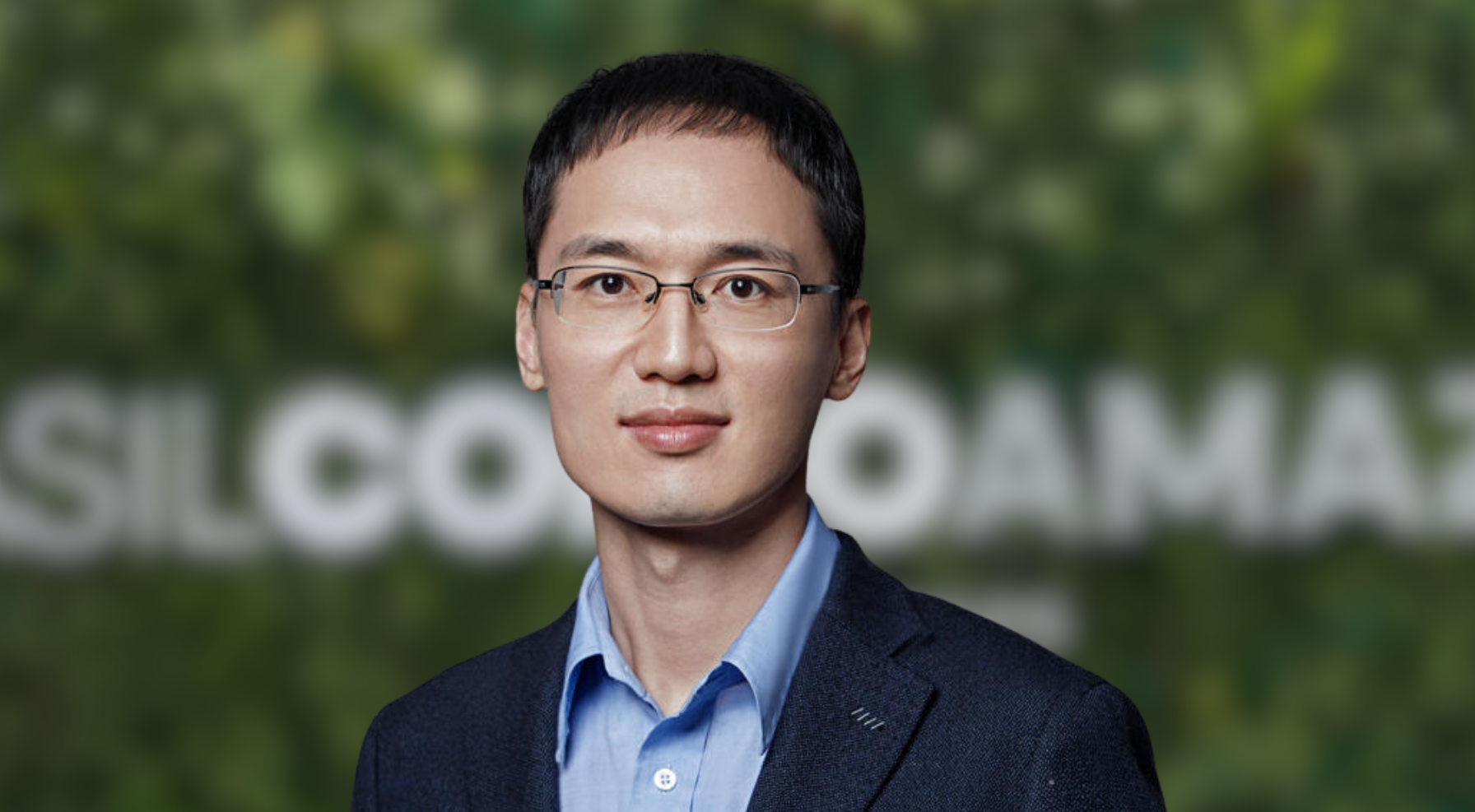
As Dr Bruce Wang Lei, Founder and CEO of EcoFlow, explained in an interview with The Icons, standing on the United Nations stage filled him with both pride and humility. “This is not merely about EcoFlow’s growth,” he reflected, “but about witnessing clean, intelligent energy become a shared global agenda. It reaffirms my belief that the truest form of innovation lies in turning technology into products that serve both humanity and the planet’s sustainable future. Humanity is in the midst of a great paradigm shift towards new energy; technological innovation and climate action must advance together. Our goal is to help every household experience this revolution and truly feel how the new energy paradigm can elevate their everyday lives, which lies at the heart of smart home energy. This sense of responsibility only deepens my resolve to continue empowering households around the world to embrace meaningful energy transformation.”
From the Laboratories: The Birth of a World-Class Energy Methodology
While many describe EcoFlow through the lens of a start-up or unicorn firm, few recognize the company’s original starting point — bringing clean energy to the world.
EcoFlow’s Founder, Dr. Wang Lei began as academic research to improve energy efficiency, now has evolved into a mission to help tens of millions of households around the world achieve energy independence.
Energy, as Wang often reflects, has become the foundation of civilization not because it is advanced, but because it is universal, stable, and equitable in its use. Guided by his belief that “any good technology can — and should — serve everyone,” Wang stepped beyond the walls of the engineer’s world to pursue innovation that transforms real lives.
Through the Difficulties: The Trials, Conviction, and Evolution of an Entrepreneur
Entrepreneurship is indeed a long and painful test of conviction. What kept me going was my unwavering belief that clean energy could change lives,” said Dr Bruce Wang. He recalled that what sustained EcoFlow through its darkest days was not the imagined combination of capital, subsidies, or luck, but rather the faith of the company’s first few thousand seed users across the world. They were few in number — far from enough to sustain the business — yet they were willing to pay for the value EcoFlow created and believe in a vision that had not yet taken shape.
“These thousands of users, who both need and readily embrace energy independence, have nurtured us,” Dr Wang reflected. “Their trust gave us tremendous courage. For a stable and reliable energy supply is the bedrock of human civilization’s continuity — a value beyond comparison. This conviction has been the central pillar that sustained me through my darkest hours.”
As challenges mounted, Wang began shaping a highly adaptive, self-evolving model of leadership — moving from personally solving problems, to empowering his team to solve them, and ultimately to building systems that would allow the organization to sustain itself. He often remarks, “We don’t pursue perfection; we pursue evolution.” That principle became deeply embedded in EcoFlow’s DNA, keeping the company moving forward amid the fierce competition of the clean energy sector.

The Soul of Technology: From the Fast-Charging Revolution to the Leap into Smart Home Energy
In the early days of the consumer energy industry, few realised that charging speed would become the defining variable capable of reshaping the entire landscape. Yet in 2019, EcoFlow’s launch of the DELTA series changed that perception entirely — cutting charging times from over ten hours to just 1.6. It was not simply a matter of being faster; it was a structural breakthrough that expanded what the industry considered possible. Behind this achievement lay three years of research, countless iterations of materials, design optimisation, and extreme stress testing.
Many regarded it as a feat of engineering, but to Dr Bruce Wang, it was something more — a proof of spirit. “If we haven’t failed enough, it means we haven’t truly innovated,” he often says. This philosophy of relentless experimentation became the cornerstone of EcoFlow’s identity.
After the fast-charging revolution, EcoFlow has not paused at the height of its success as the No. 1 in portable power stations. Instead, the company began charting a broader blueprint — one for a smart home energy ecosystem that integrates generation, storage, distribution, and intelligent consumption. Since launching whole-home smart energy solutions in Europe in 2023 and expanding into North America and Australia this year, EcoFlow has rapidly risen to the forefront of the home energy market globally.
With a deeper understanding of shifting user needs, EcoFlow realized that true empowerment must go beyond portability. It requires a seamlessly integrated smart energy solution designed around the home — one that delivers stable, efficient, and intuitive energy independence for everyday living.
That same philosophy was at the heart of COP30’s agenda: the democratisation of clean energy, turning sustainability from privilege into daily reality. As a line from The Lion King reminds us, “Everything the light touches is our kingdom.”
The Virtual Power Plant: A Real Path to the People’s Grid
EcoFlow’s concept of ‘Power a New World’ has garnered significant attention. As more families adopt solar panels, energy storage, battery management, and smart control technologies, the world is accelerating towards a decentralised and efficient energy era. This transition not only reduces household costs and carbon emissions but also strengthens nations’ progress towards their net-zero ambitions. The foundation and a feasible answer of all this is a stable, intelligently operated home energy system — one that ensures distributed energy is reliable, controllable, and capable of being aggregated.
At COP30, EcoFlow emphasised that “the energy independence of every household will ultimately converge into a nation’s energy resilience.” Within the global framework of energy governance, the Virtual Power Plant (VPP) has become one of the most compelling ideas of the past decade — and EcoFlow has brought this concept back to its most meaningful level: the home. When tens of thousands of intelligent household energy systems are connected, they form a dynamic and resilient network where every family is both a consumer and a contributor of power. For EcoFlow, this represents the natural extension of its mission: to turn individual energy independence into collective energy resilience.
For Dr Wang, the virtual power plant is not merely a technological or commercial innovation but a profound expression of energy’s public value. “Any good technology should be owned by every ordinary person,” he believes — a principle that runs through every layer of EcoFlow’s product design, technological strategy and system architecture. From electricity to the steam engine to the internet, every major technological transformation in human history has evolved from exclusivity to universality. The virtual power plant stands at that same inflection point — the moment when clean energy becomes a shared right, rather than a privilege.
Building a Reliable, Accessible and Affordable Smart Home Energy Ecosystem
EcoFlow’s sensitivity to energy challenges stems from its deep insight into the realities faced by households worldwide. They clearly recognize the vulnerabilities of traditional centralized grids—especially during extreme weather events and peak demand periods—and see how smart home energy systems can empower households to become active participants in energy management.
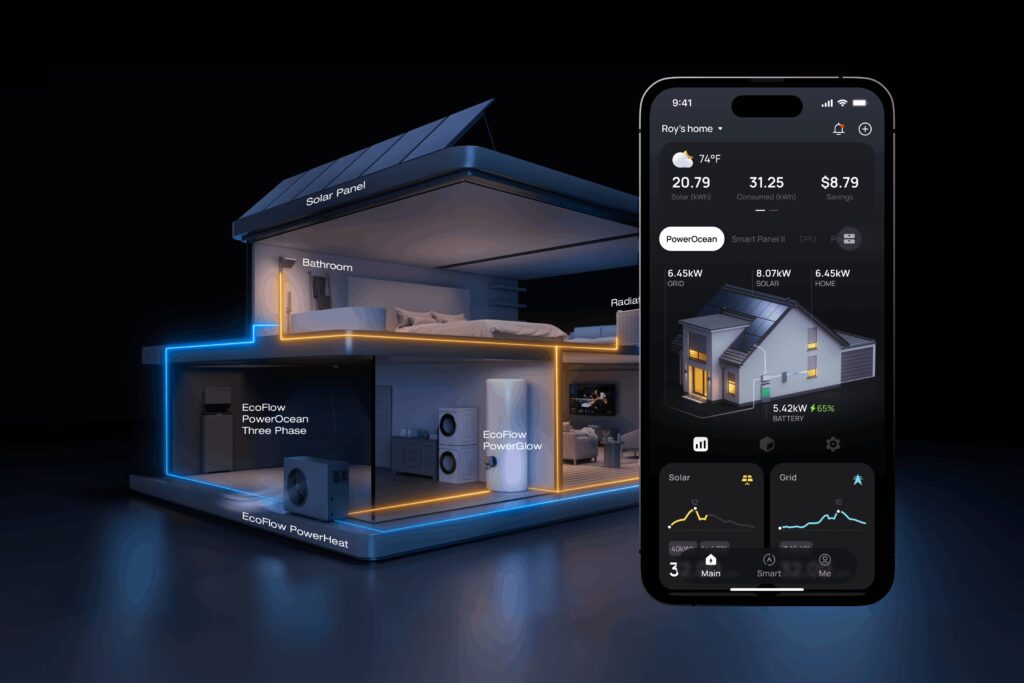
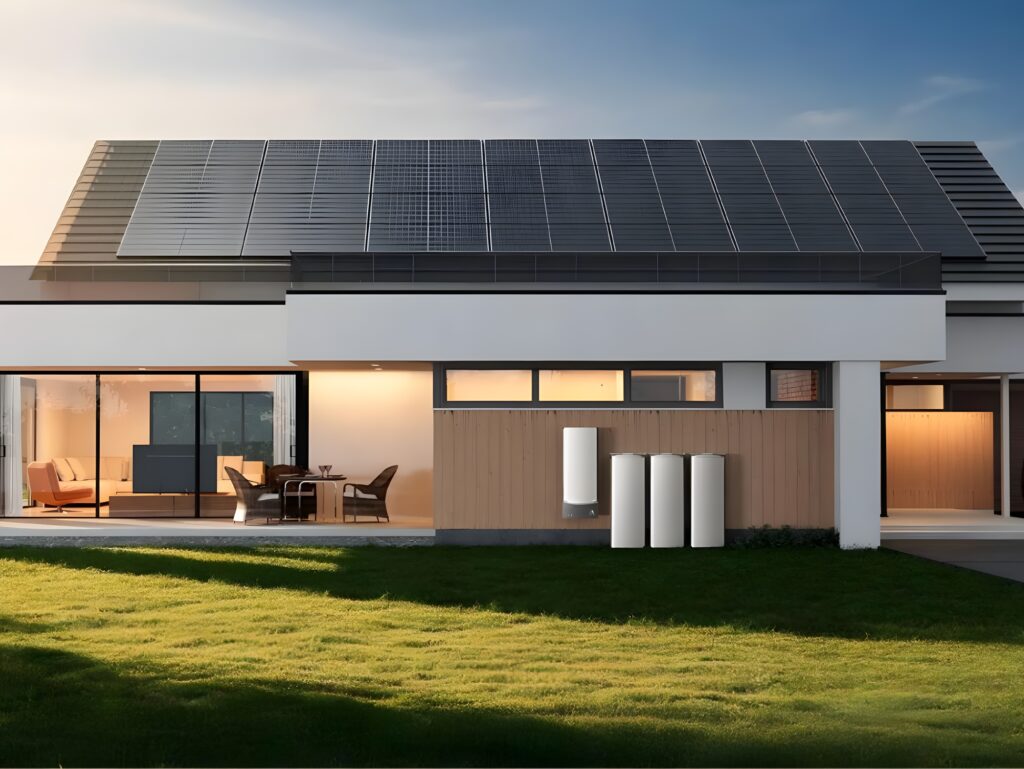
Through smart appliance connectivity, storage optimization, and renewable energy integration, EcoFlow is dedicated to building a user-friendly, plug-and-play smart home energy ecosystem that enables everyday families to manage their energy with ease, without requiring any technical expertise—ultimately allowing them to become true producers and dispatchers of energy.
This is far more than a collection of hardware. It is the integration of solar power, storage batteries, inverters, and home appliances into a sensing, analytical, and optimizable whole—powered by intelligent algorithms and a robust energy management platform. The system can automatically choose the optimal energy distribution strategy based on weather conditions, electricity prices, and household usage patterns, improving both energy efficiency and economic performance.
Humanitarian Technology: When the Warmth of Energy Illuminates the World’s Darkness
For Dr Bruce Wang, technology is not meant for display — it is meant to bear responsibility. He often emphasises that “energy innovation must serve humanity itself.” From powerless villages in Indonesia to emergency relief zones after earthquakes in Japan, and from hurricanes to wildfires in the United States, EcoFlow’s systems have repeatedly provided the most stable power source in disaster-stricken regions. In moments when public grids collapse, communication networks fail, and hospital equipment stops running, household-level energy storage becomes the most reliable form of life support. In these situations, a smart energy system does more than providing electricity. It intelligently prioritizes key devices like medical equipment, communication tools, and refrigerators to ensure they receive power for as long as possible, even with limited storage.
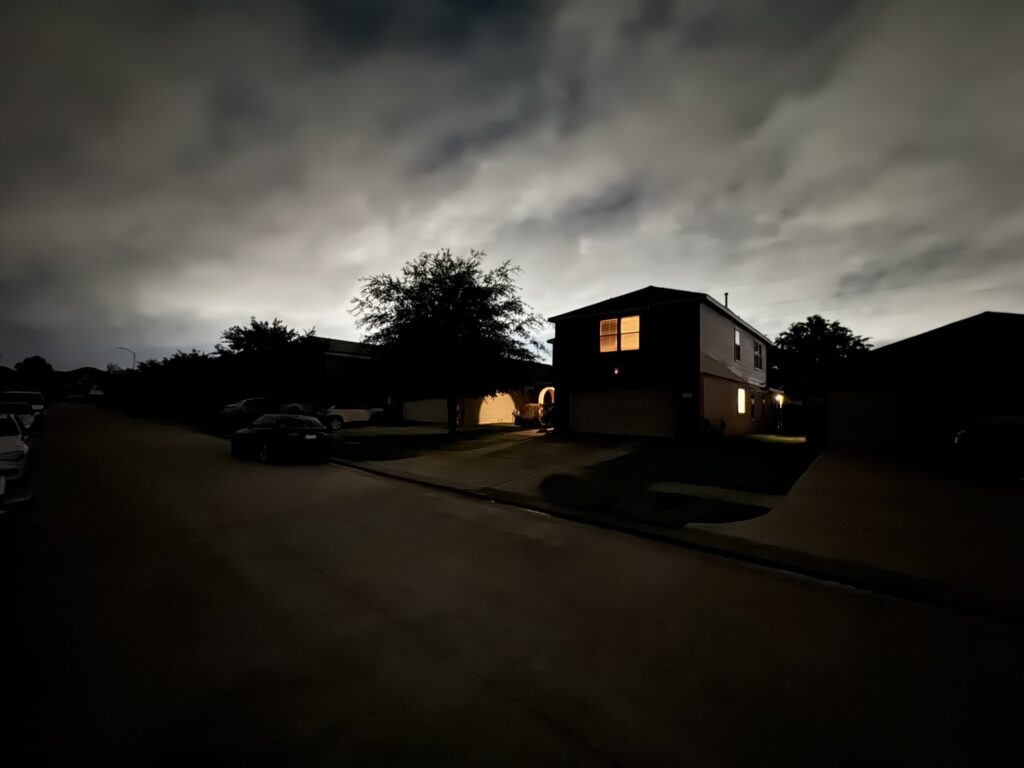
One of the most memorable moments for Dr Wang took place earlier this year in Houston, where a hurricane had devastated the local grid, leaving more than 800,000 residents without electricity for over a week. When the EcoFlow team arrived, they witnessed an unforgettable sight: an entire neighbourhood swallowed by darkness — except for one home, glowing with a soft, warm light. The person told the team, “The whole community is dark, but thanks to EcoFlow, my home is the only light in the night.”
That image, Dr Wang recalls, became a defining reminder that energy is not only power — it is dignity, safety, and hope. These moments have since shaped EcoFlow’s ongoing commitment to systematic innovation. Energy is a real, human need — one bound to the safety of families and the stability of daily life. The meaning of technology, he believes, is born precisely from these moments of truth, when innovation becomes warmth that lights up the darkness of the world.
The Next Decade: From COP30 to COP31 — A Global Vision for the World
During COP30, EcoFlow presented a proposal of global significance for the governance of future energy systems — households will become the driving force of the next energy revolution. The coming five years will witness the rapid proliferation of intelligent, interconnected home energy systems. EcoFlow’s vision is to enable every household to become a highly efficient energy hub, capable of generating, storing, and managing energy independently. Yet, as Dr Wang emphasised, “household energy independence is only the first step.”
Looking ahead to COP31, Dr Wang envisions a future where more households are linked into resilient shared networks — a true energy ecosystem in which communities can support one another during power outages, natural disasters, or periods of high demand. This marks not just a technological evolution, but a societal transition — from individual self-sufficiency to collective resilience and abundance.
In his closing words during the interview with The Icons, Dr Wang stated powerfully, “The future of energy does not lie in exhibition halls or at negotiation tables, but in millions of ordinary homes.” The sentence encapsulates both a belief and a direction — and it defines EcoFlow’s global mission for the decade ahead: to make sustainable, intelligent energy a shared reality for every household across the planet.
Recommend for you:
COP30 Leaders|COP30 CEO Ana Toni: If You Are Not Part of the Solution, You Are Part of the Problem!