
In most people’s healthcare experiences, medical intervention often only arrives at the moment when it becomes unavoidable. Many women view menstrual cycle irregularities, fatigue, mood swings, or weight fluctuations as just part of life, only stepping into a consultation room when test results show alarming red flags. Yet, before that point, the body has actually been sending faint but crucial signals all along—there just hasn’t been a place where they can be understood and held.
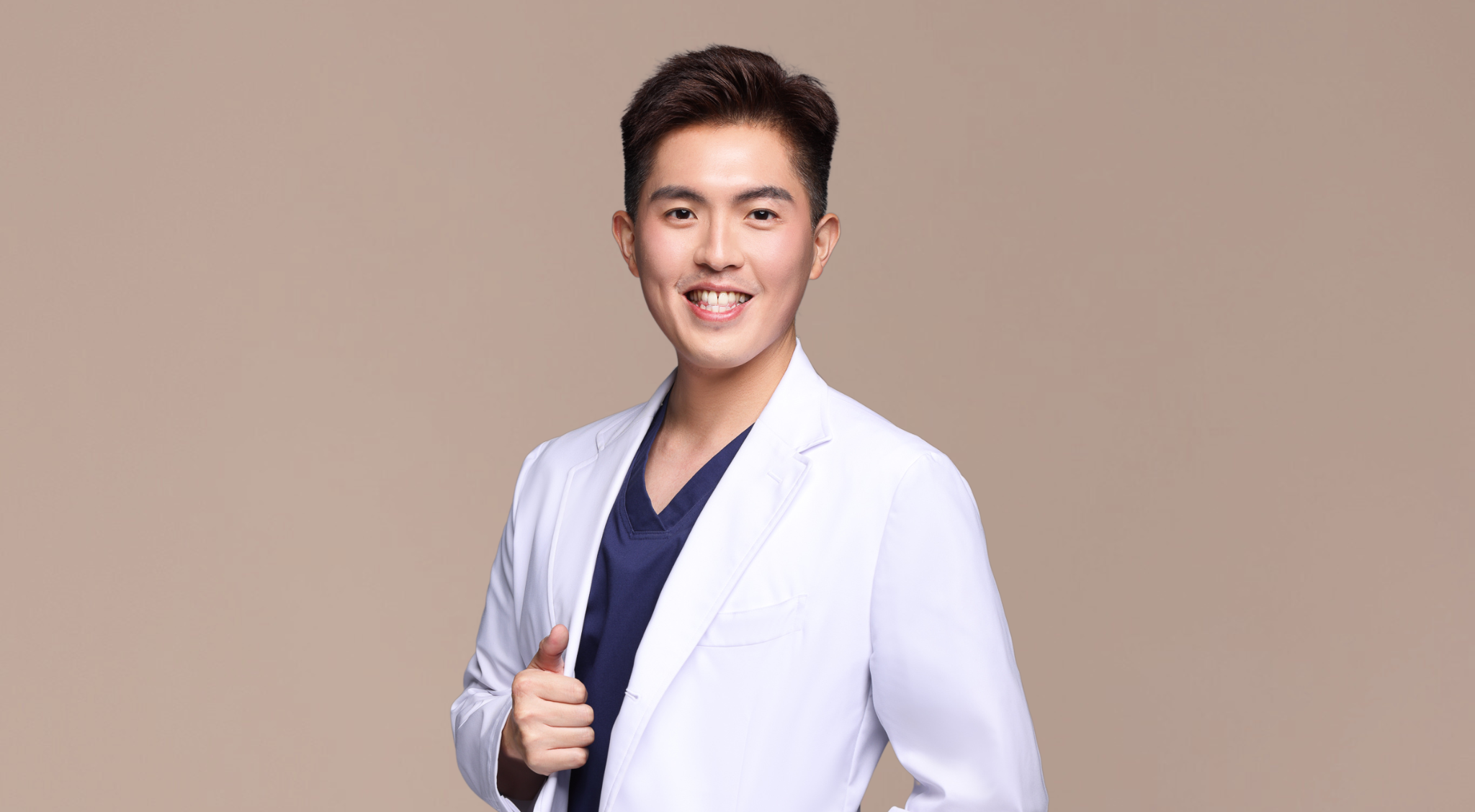
Dr. Wei-Shin Chou, “The Elephant Doctor,” Director of BLOOM Woman’s Wellness Clinic, is particularly attuned to this frequently overlooked interval. Having spent years shuttling between delivery rooms, wards, and operating theaters in large hospitals, he witnessed too many women who were not unaware of their troubles but lacked a medical space capable of translating their body’s signals. When medical intervention always comes only after a disease has fully formed, women are left to bear the burden alone in a state that appears normal but is, in fact, imbalanced.
Thus, in an exclusive interview with the UK-based global entrepreneur media《The Icons》, he clearly pointed out the structural gap in women’s healthcare: “We spend a vast amount of resources on treatment, but what truly needs attention is the period before the disease manifests.”
It was this observation that led him to shift his role forward from being a “treator” to the place where illness has not yet formed, signals have not yet been ignored, and women still have time to turn back. This is also why BLOOM Woman’s Wellness Clinic was born—to become a starting point where women can first pause and relearn their body’s language:
“A woman’s body rarely deviates only on the day she falls ill; it often reveals subtle changes in her daily life long before. What’s truly important in healthcare is the ability to be by her side when those still-unnamed discomforts arise, gently guiding her body back on track.”
Seeing the Same Gap in Consultation After Consultation
Stepping back from the delivery room, the first thing “The Elephant Doctor” Dr. Wei-Shin Chou noticed was a grey area habitually overlooked by the healthcare system. Over the years, witnessing countless pivotal moments in women’s lives in large hospitals—the anxiety before childbirth, the intensity of labor, the tension of the operating room, the heaviness after a diagnosis—he repeatedly saw the same pattern: medicine always intervenes too late, while the moment a woman truly starts feeling something is off often occurs much earlier.
“No major problem does not mean no problem at all.” This sentence became Dr. Chou’s most important starting point for observing women’s health. Many women sense that something isn’t quite right during the initial stages of their body veering off course, but they lack the language to describe it and lack a space to receive support. They shuffle between different specialties, only to be told “your tests are normal”—yet life doesn’t become any easier.
Dr. Chou states that the real gap in healthcare lies not in treatment technology, but in this: “We are too accustomed to acting only after a disease takes shape, yet very few are willing to pause and listen when the body is still whispering reminders.” This is the interval least entered by medicine, yet most often faced alone by women. States without clear diagnoses—like mood swings, sleep disturbances, metabolic chaos, and menstrual irregularities—not only plunge women into self-doubt but also leave them with no place within the medical system.
It was in these recurring scenarios that Dr. Chou grew increasingly clear: what truly needs to be seen is the blank space that falls before illness, between “still holding on” and “something feels off.” If medicine is always one step behind, women can only silently endure on the front lines.
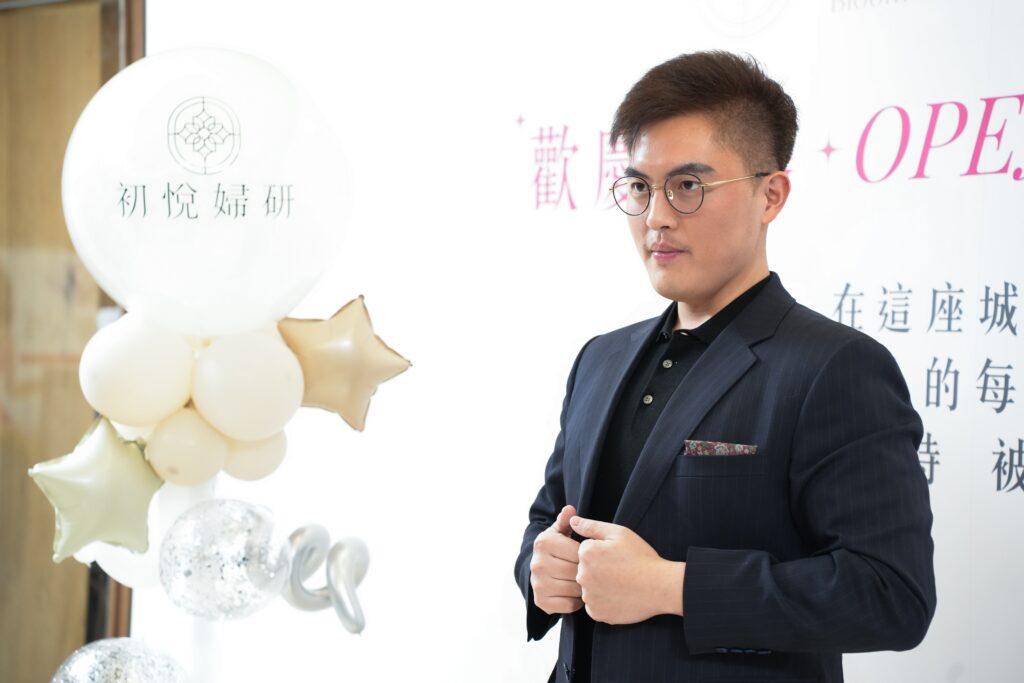
The Birth of a Clinic, Originating from Life’s Branching Points for Women
The name BLOOM Woman’s Wellness was not the result of a branding workshop or a marketing discussion. It emerged gradually from Dr. Wei-Shin Chou’s years of clinical experience, shaped by a simple yet profound realisation: women need a place where they can pause, look back, and reassess their own state.
When Dr. Chou decided to leave the large hospital system, the first question he asked himself was not about scale or positioning, but about purpose. Which stage of a woman’s life should this space hold, and what should its presence truly mean?
BLOOM Woman’s Wellness Clinic is located above a postnatal care centre. Every day, women passing through the entrance are navigating a period of physical and emotional recalibration. Some have just welcomed new life and are learning to live with the changes it brings. Others are preparing to return to daily routines. Some are beginning to sense that their bodies, emotions, and identities are shifting in quiet but unfamiliar ways. To Dr. Chou, this setting is deeply symbolic. A woman’s health trajectory often begins to diverge at this point, and the next ten, twenty, or even thirty years can unfold along that path.
“I wanted them to have a place where they could pause at the very beginning of change, and check in with themselves,” he explains. That intention lies at the heart of the name BLOOM.
The name carries layered meaning in the Chinese context (“初悅婦研”): “初” (Chu) represents a starting point for realignment—be it the flutter of first-time motherhood or the exploration of first confronting bodily changes in adolescence; “悅” (Yue) symbolizes the natural sense of steadiness that arises when body and mind return to balance; and “婦研” (Fu Yan) is not the “妍” for delicate beauty, but the “研” for research, reminding that the foundation here remains medicine—solid clinical observation and understanding.
Dr. Chou never intended BLOOM Woman’s Wellness to become a cosmetic medicine space, nor did he want it to be just another obstetrics and gynaecology clinic. What he envisioned was a genuine health pathway for women. A place where, before the body drifts too far off course, one can stop, understand what is happening, and then move forward again from a steadier position, towards a direction that truly fits her life.
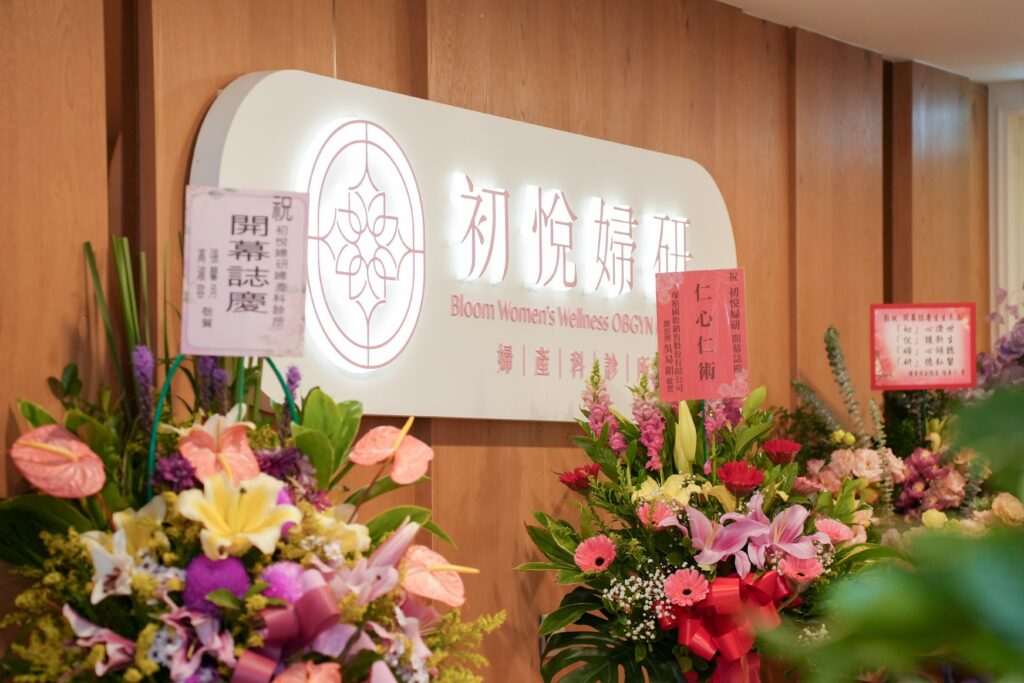
The Real Challenge: Placing Women’s Suboptimal Health at the Starting Point of Preventive Medicine
In Dr. Chou’s plan, BLOOM is not a new gynecology clinic but a healthcare model never truly seen before in Taiwan—a women’s health management center with “women’s suboptimal health and preventive medicine” at its core, led by obstetrician-gynecologists. This positioning might sound like a slogan, but when implemented into daily operations, it means reintegrating work previously scattered among different specialties and pushing the intervention point of OB-GYNs a significant step forward.
“If OB-GYNs only start managing issues after disease occurs, it will always be too late.” Therefore, at BLOOM, the physician’s role is not to wait for symptoms to worsen but to become the gatekeeper for the earlier chapters of a woman’s life.
BLOOM’s medical team all possess OB-GYN specialty backgrounds, but each physician further undergoes cross-disciplinary training covering endocrinology, obesity medicine, functional medicine, genetic testing, and more. This arrangement isn’t about expanding scope but a conclusion drawn from long-term clinical experience: a woman’s physical state often spans multiple systems, difficult to fully explain by a single specialty, and traditional linear medical processes cannot precisely respond to her needs.
In the consultation room, Dr. Chou repeatedly saw that excessive body fat and chronic inflammation are the most common recurring factors behind conditions like PCOS, endometriosis, PMS, and postpartum constitutional struggles. Consequently, he pursued further studies in metabolism and weight management, rebuilding a clinical perspective that better reflects women’s real needs.
“If we only prescribe medication using traditional approaches without adjusting metabolism, weight, and lifestyle structure, problems will mostly recur.” Therefore, at BLOOM, diagnosis and treatment is no longer a fragmented process of “see the gynecologist, get referred to nutrition, then go to another department,” but a fully integrated and coherent plan. OB-GYNs interpret organ structure and hormonal axes; obesity specialists help rebuild metabolic rhythms and body fat distribution; the functional medicine team incorporates factors like sleep, diet, stress, micronutrients, and exercise load into long-term observation. All information finally returns to the same medical map, fundamentally adjusting the woman’s bodily systems rather than just treating surface symptoms.
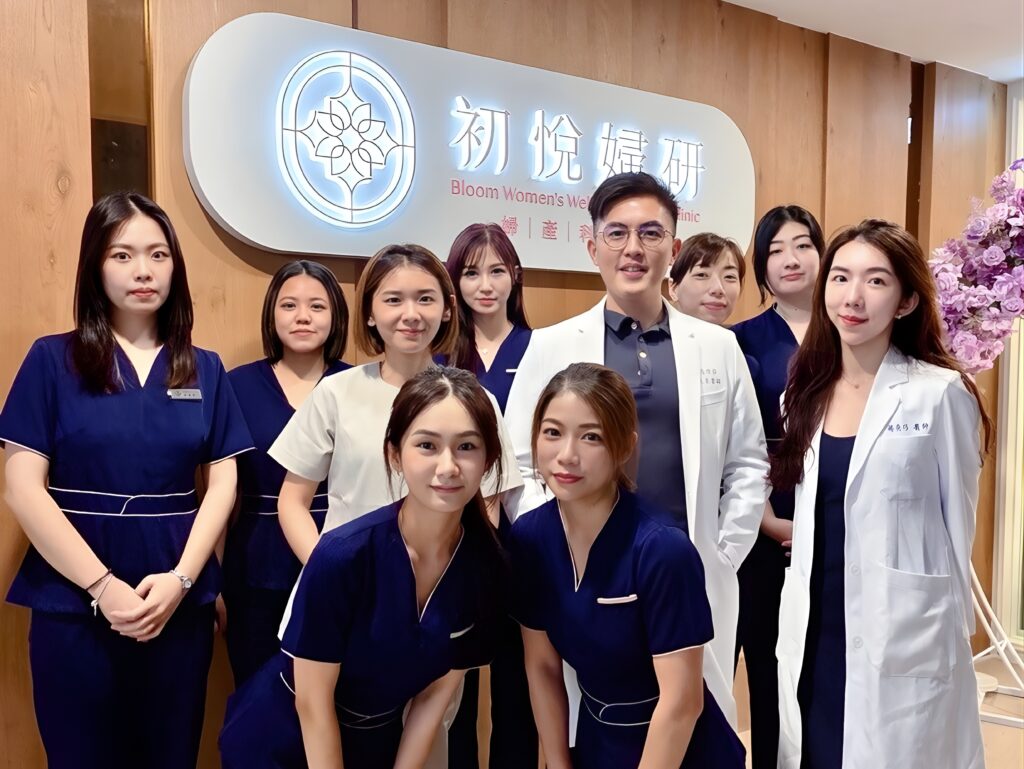
Dr. Wei-Shin Chou: Understanding is the True Starting Point Before All Treatment
Dr. Chou often says with a smile that BLOOM is a “very unusual ordinary gynecology clinic.”
What’s “ordinary” is that many women seeking help here won’t have any red flags on their health check reports. What’s “unusual” is that feelings often downplayed within the medical system are treated here as genuine signals, listened to attentively.
Dr. Chou is most familiar with women who strive to maintain their life pace but persistently feel something isn’t quite right with their bodies.
Like the office worker who has had long-term menstrual irregularities since college, relying on birth control pills to barely maintain cycle regularity, only to find it increasingly hard to lose weight and her skin becoming unruly; she never considered it an illness, just thought she had “poor constitution.”
Or the mother, one year postpartum, still oscillating between insomnia, heart palpitations, and exhaustion. People tell her to “just think more positively,” but she knows better than anyone that the issue isn’t her emotions but her entire body’s rhythm failing to return to its original track.
Or women approaching perimenopause, facing changes in weight, memory, and mood, yet unsure which department to visit, choosing silence instead, bottling up the confusion.
In a typical clinic, these stories often get cut short, categorized as “normal changes” or “let’s wait and see”; women’s narratives are often ended at the first layer. But at BLOOM, these vague clues are instead seen as the most worthy starting points for pursuit.
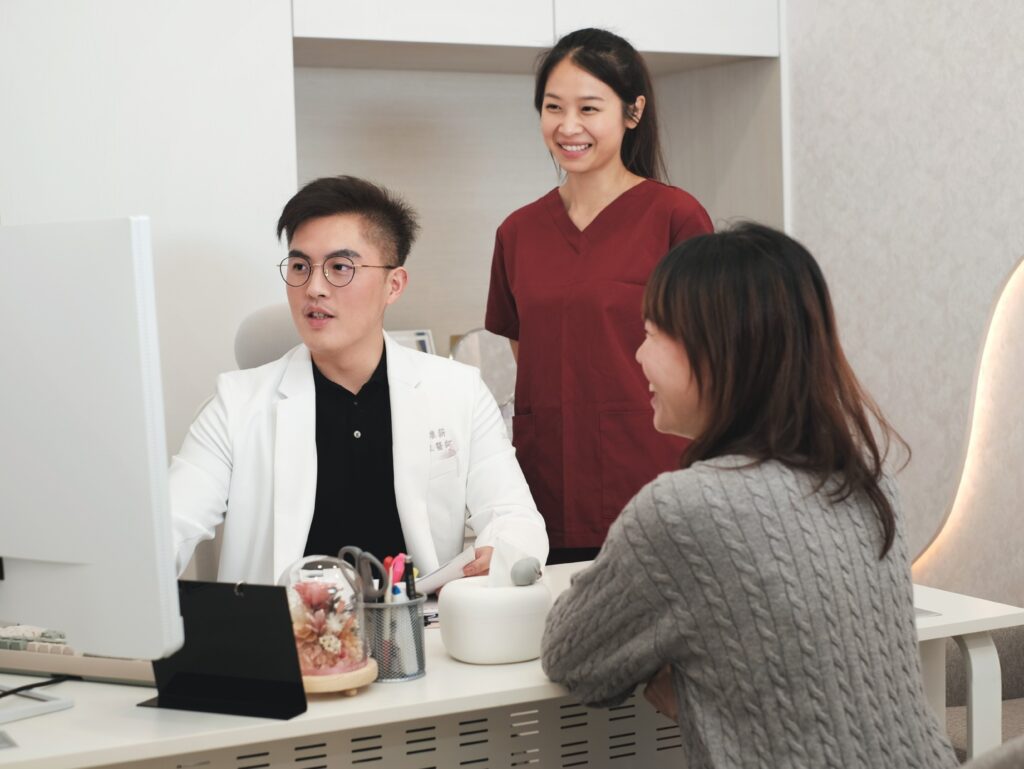
Consultations at BLOOM begin with a precisely designed online questionnaire spanning sleep status, bowel habits, dietary structure, stress load, mood fluctuations, and menstrual records. Nurses use the questionnaire and InBody data to create a “body profile,” allowing the physician to read the trajectory of a person’s life even before entering the consultation room, not just numbers.
Upon entering, the physician takes over not a form, but a story needing to be pieced together completely. Changes in hormones, shifts in life pace, loosening of metabolism, the interplay of sleep and stress—information often fragmented in traditional consultations—is all placed back on a single line here.
“I want them to know, the moment they step in, that they are not just being ‘treated for an illness’ but being understood.” In Dr. Chou’s eyes, understanding itself is a form of healthcare; and holding space for women’s stories is the very reason for BLOOM’s existence.
Starting from Genetics, Proactively Seeing a Woman’s Lifelong Health Roadmap
At BLOOM, many women encounter the concept of “their own future risk” for the first time.
The clinic incorporates multiple gene tests relevant to women, such as BRCA genes for breast/ovarian cancer risk, predisposition to premature ovarian decline, menopause-related genes, and APOE gene related to dementia risk, among others. For Dr. Chou, the focus of testing is not to tell someone “whether you will get sick,” but to design a practical roadmap for life and healthcare based on the results.
At BLOOM, each genetic report presents not a single conclusion, but the different potential pathways a woman may face in the future. If a woman belongs to a high-risk group for breast or ovarian cancer, Dr. Chou will revisit her life timeline with her: when to start scheduling breast imaging, how to adjust the frequency of tracking hormones and tumor markers, and which dietary and body fat ranges can keep risk in a relatively safe position. This becomes a path that can be planned, rather than waiting for fate to reveal the outcome.
For women whose genes indicate a potential for earlier decline in ovarian function, the discussion focus shifts to fertility and life planning. Assessments of ovarian reserve, timelines for egg freezing, and how to sequence work and family rhythms are placed back on the map step by step, tailored to her stage in life.
For those showing vulnerability in dementia-related genes, Dr. Chou places the starting point of care in daily life: sleep quality, blood sugar control, chronic inflammation markers, and stress management. These seemingly minor decisions in the consultation room often form the foundation of her health trajectory for the next two decades.
“Genetic testing gives us not fear, but a map drawn in advance,” Dr. Chou says. “Knowing where we are more vulnerable gives us the chance to take better care of those areas.”
Within this framework, Dr. Chou envisions the relationship between women and their physicians not as a brief intersection only when problems arise, but as a connection sustained over a longer life scale. The visit today might be for cycle regulation; years later, for pregnancy preparation; further on, for postpartum adjustment, or health design around menopause.
Between Beauty and Health, Finding One’s Own Pace
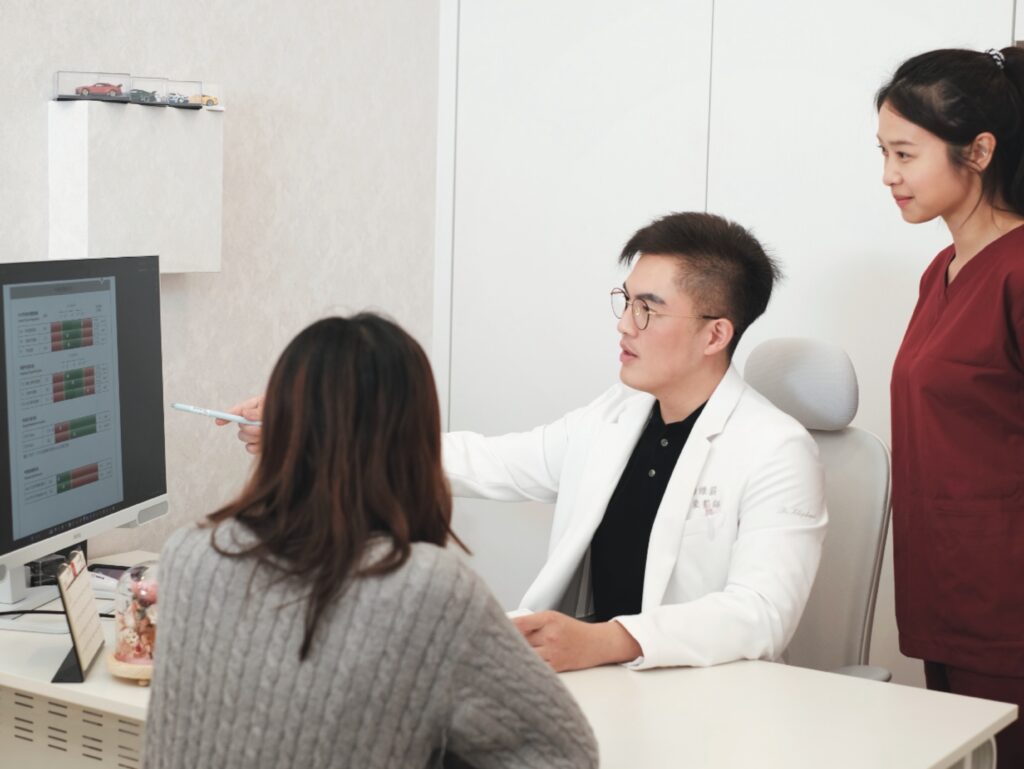
When many women initially think “becoming more beautiful” implies aesthetic procedures, Dr. Chou does not avoid this notion. Instead, he redefines aesthetics directly within the framework of healthy aging. In his philosophy, treatments like radiofrequency, ultrasound, and Botox are not for crafting another face but for delaying tissue aging, preventing wrinkles from etching onto the skin too soon. All external procedures must be based on the premise of stable hormones, improved sleep, reduced stress, and metabolism back on track. “Without internal stability, no amount of external work will last long.”
This design makes “aging” no longer something to be passively accepted. What many women feel for the first time is that they can finally keep pace with time at their own rhythm, rather than being pushed by it. Healthcare is no longer just a tool for solving symptoms but a space where they can reorganize themselves and regain a sense of control.
In this context, the physician’s role also shifts from mere provider to long-term companion. Dr. Chou often tells his team that BLOOM offers a kind of “accompanying runner” relationship. The physician doesn’t just explain data, prescribe medication, or arrange procedures but must translate complex medical knowledge into language the patient understands and then co-create a truly feasible life pace with her. Many women bring not just symptoms into the consultation room but also years of accumulated stress, frustration, and silence. Those stories seemingly unrelated to medicine are actually the contextual clues to hormonal imbalances and bodily reactions.
“I am not a psychological counselor, yet I must understand the source of her stress,” Dr. Chou says, “because that affects how I adjust her hormones and treatment cadence.” This understanding is not an added value but part of healthcare. When a woman is willing to step into this space again, it often means she has found a place where she can safely entrust herself—a place where she doesn’t have to tough it out alone through the next life stage.
Letting Healthcare Intervene from the First Signal
Within Taiwan’s National Health Insurance system, medical settings endure tremendous time pressure; “seeing a patient in five minutes” has become the norm. Such speed might suffice for acute conditions but can hardly bear the patience and depth truly needed for preventive medicine. Dr. Chou long ago realized that if medicine wants to move forward, a space must be established outside the traditional system to rethink the role of healthcare.
BLOOM Woman’s Wellness Clinic is his answer to this question.
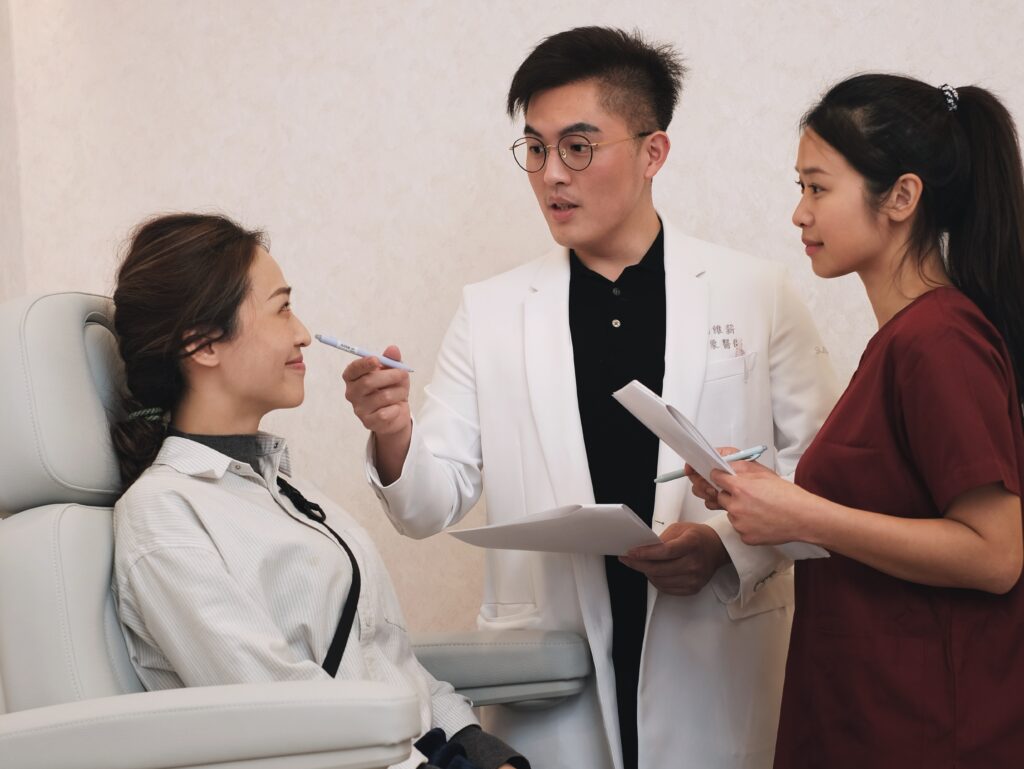
BLOOM’s role is not to replace large hospitals but to shift the focus of healthcare forward, providing a space to pause and sort out one’s state the moment illness hasn’t formally surfaced—the moment a woman first senses “something seems off.” Visitors there are not yet defined as patients, and the physician’s work is not limited to treating symptoms but involves helping women read their body’s signals, readjust daily rhythms, and make more composed arrangements for the future.
Dr. Chou believes that as healthcare gradually moves from “managing outcomes” towards “caring for the process,” as physicians transition from firefighters to understanders and designers, society’s imagination of health will also change. Prevention will no longer be a slogan but a way of life that can be repeatedly practiced daily.
In this era of increasing pace and information overload, what BLOOM aims to do is not remake healthcare but return to its original essence: ensuring women don’t have to be seen only when they fall ill, but from the body’s first faint whisper, there is someone willing to listen:
“I firmly believe that a woman’s body quietly sends signals needing to be understood long before she truly falls ill; whether medicine can be by her side at that moment often determines which direction her life will take next. This is also why we set BLOOM’s slogan as—’Return to the beginning, transcend the former.'”
Recommend for more: