
Global capital markets are undergoing a profound rebalancing. The rise of passive investing, ESG becoming a valuation benchmark, and geopolitical risks reshaping capital flows. In an era of information overload, trust has become the scarcest asset. When investors must judge who is worthy of their trust among countless reports and data, “communication capability” is no longer just a supplementary function for corporations, but the core of governance and sustainability. Investor Relations (IR) has thus become a critical threshold for measuring whether corporate value can be understood, trusted, and followed long-term.
As a crucial hub in the global supply chain, Taiwan possesses solid technological foundations and industrial strength, yet has long faced the structural dilemma of “insufficient visibility.” Many companies have strength and sincerity but lack sufficient voice and narrative dominance in the currents of international capital markets. Precisely because of this, how to make Taiwanese companies heard by the world has become a critical issue in contemporary capital governance.
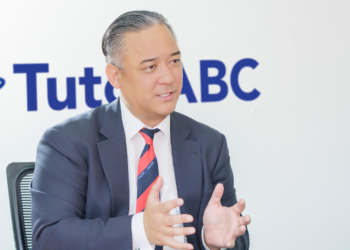
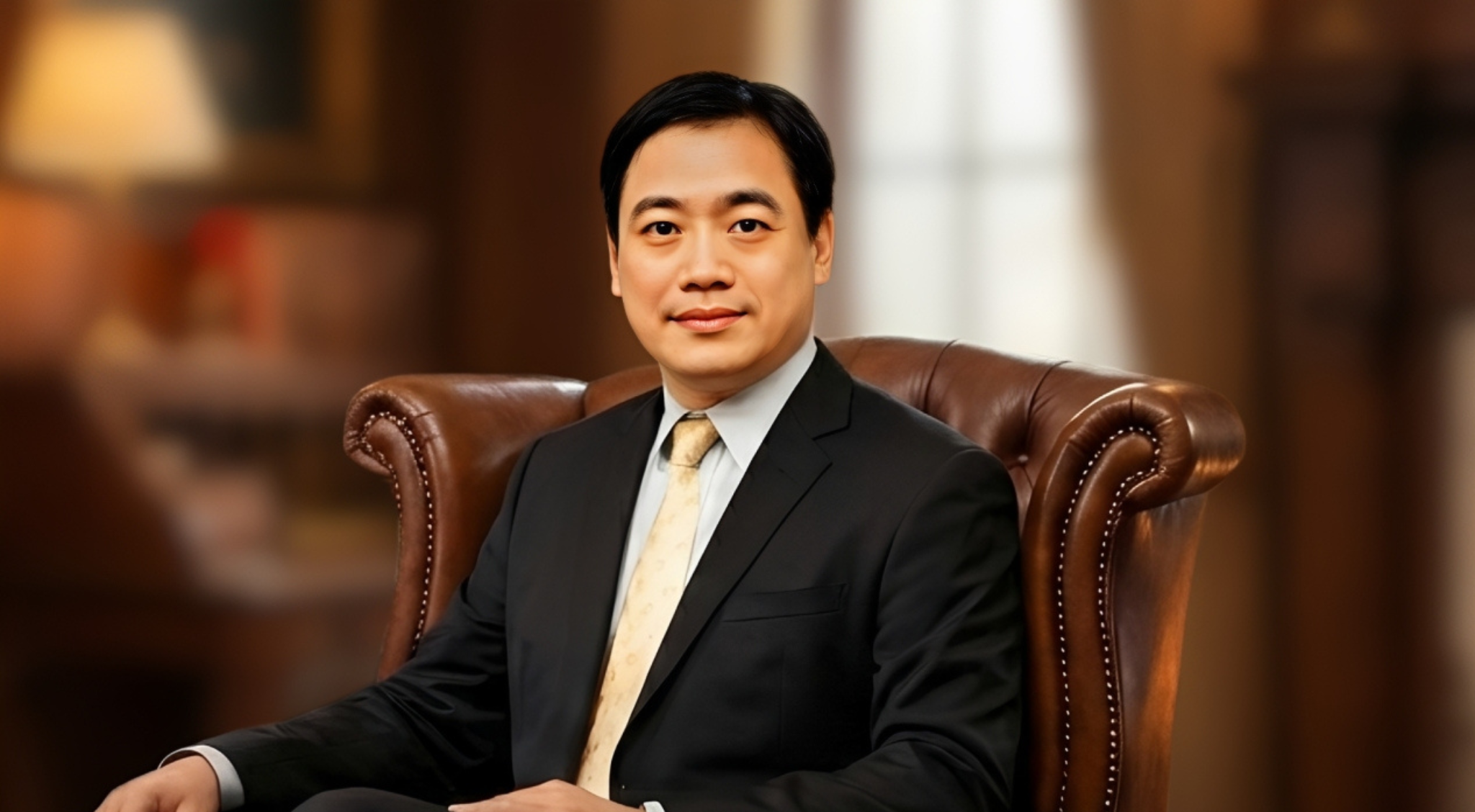
In an exclusive interview with the UK-based global leadership impact media《The Icons》, Jonny Zong-Lin Guo, Chairman of the Taiwan Investor Relations Institute (TIRI), stated, “IR is not just about information disclosure; it’s a bridge for the market to understand your true value.” He believes that as the pace of the investment market accelerates, only by establishing a rhythm of transparency and trust can corporate value transcend volatility and be remembered long-term. For Guo, the ultimate goal of IR is to make integrity and professionalism the common language for Taiwan to go global:
“The essence of IR is to let the market see the reality, not just the appearance of being seen. When companies understand how to be understood, trust naturally becomes their strongest capital.”
From Expertise to Institution: Making Trust a Form of Governance
Jonny Zong-Lin Guo’s understanding of investor relations stems from years of practical experience in the capital markets. Having long interacted with institutional investors, regulators, and analysts, he has witnessed how information asymmetry can lead to good companies being undervalued and how communication gaps can cause trust to erode. “That’s when I understood that IR cannot be treated as marketing; it is a governance profession,” he recalls his early realizations. “The US National Investor Relations Institute (NIRI) has existed for half a century, but Taiwan still lacked its own institutions and community.”
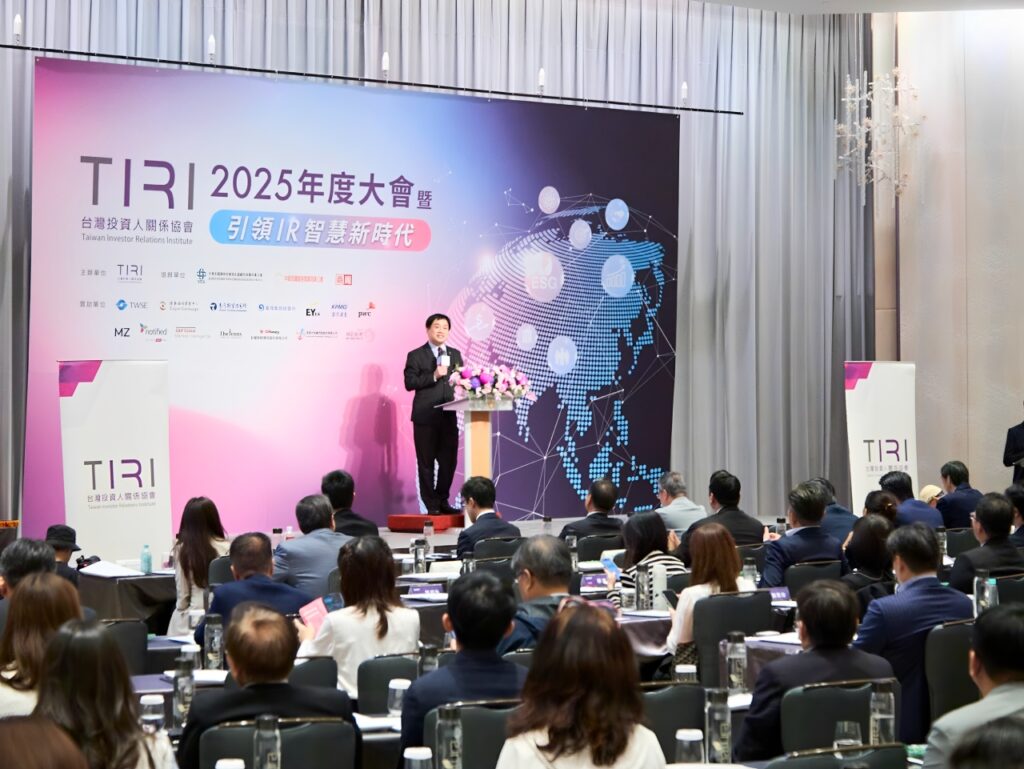
In 2018, he decided to take action, gathering dozens of spokespersons and CFOs to co-found the Taiwan Investor Relations Institute. It was a journey starting from scratch, without corporate backing or existing resources, only a group of people who believed that professionalism could change the market. “Many seniors told me that the hardest part of establishing an association isn’t starting, but surviving,” Guo admits the early days were tough, but he always held firm to one belief: value must be institutionalized for professionalism to be respected:
“Expertise must be verifiable to be trusted. When business leaders can instantly recognize the value of professionalism, the cost of market communication decreases, and the speed of trust increases accordingly.”
Guo views the establishment of TIRI as a long-term market-building effort. The association’s role is not just about networking, but about integrating scattered experiences into followable standards. He believes IR should become a shared governance language between companies and investors. “We hope to transform experience into methods, turn methods into standards, and allow professionalism to take root within the industry.”
Over the years, Guo has evolved from a financial staff member to a practitioner driving institutional development. This role change has also shown him the weight of another kind of responsibility. Promoting TIRI is, for him, a long-term commitment to enable Taiwanese companies to be understood, trusted, and seen in the global market.
Jonny Zong-Lin Guo: As Market Cap Grows, Connections Must Keep Pace
Last autumn, the global investment community’s attention unexpectedly focused on Taiwan, with multiple reports indicating that the total market capitalization of the Taiwan stock market had surpassed that of Germany, ranking eighth globally. For most, this was a milestone worth celebrating; for Jonny Zong-Lin Guo, it felt more like a silent test.
“Market cap moving forward is a fact, but international connections remain relatively thin, that is also a fact,” Guo stated. He noted that growth also means increased responsibility, because when the world starts paying attention to you, the standards by which you are measured become stricter.
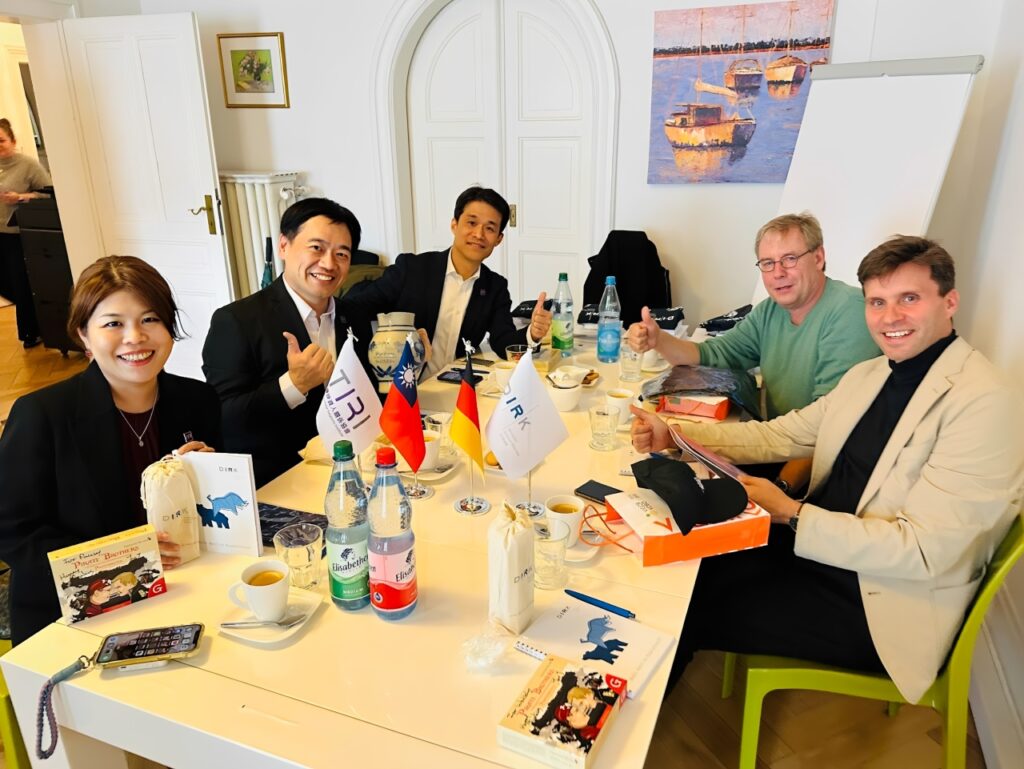
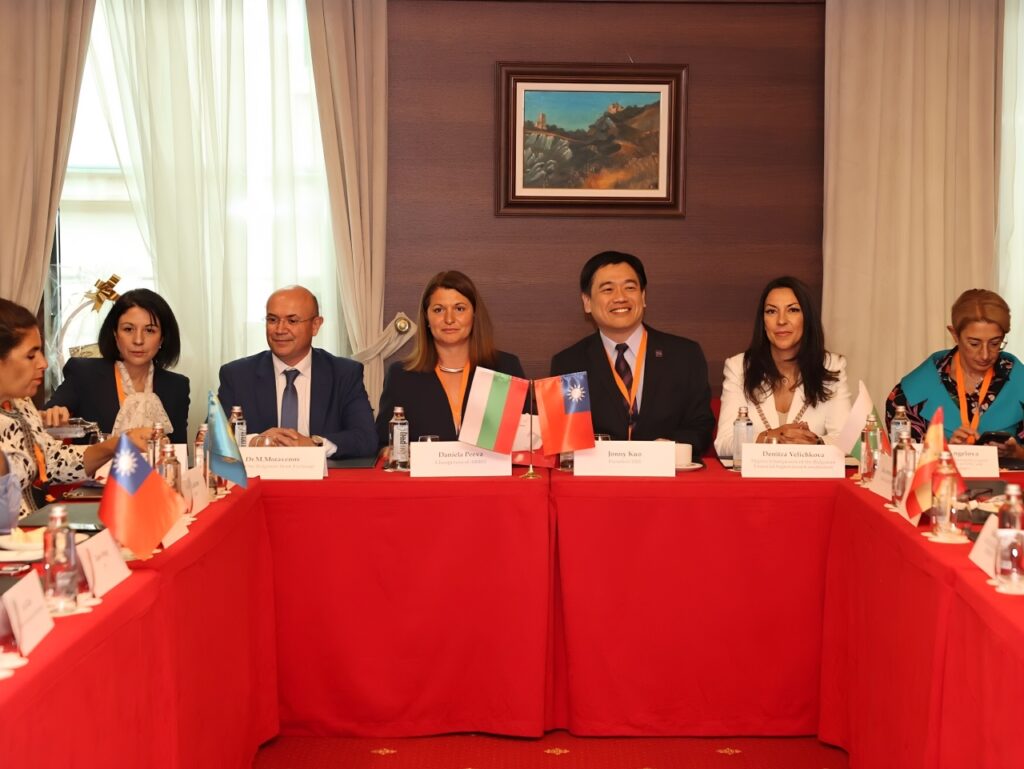
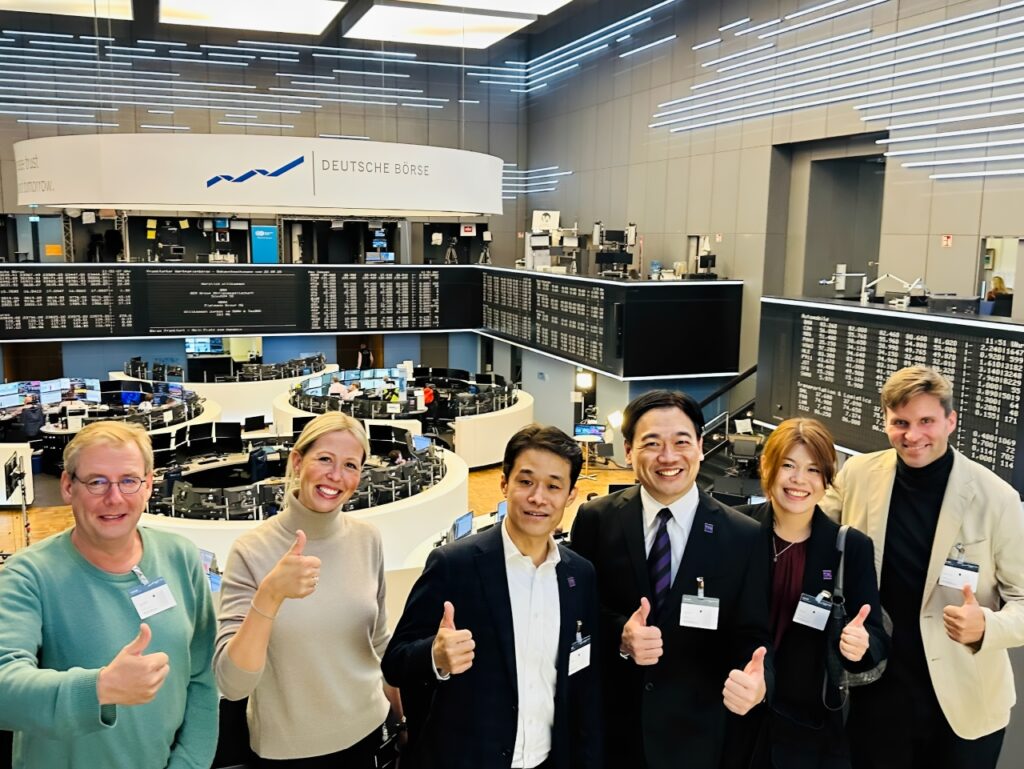
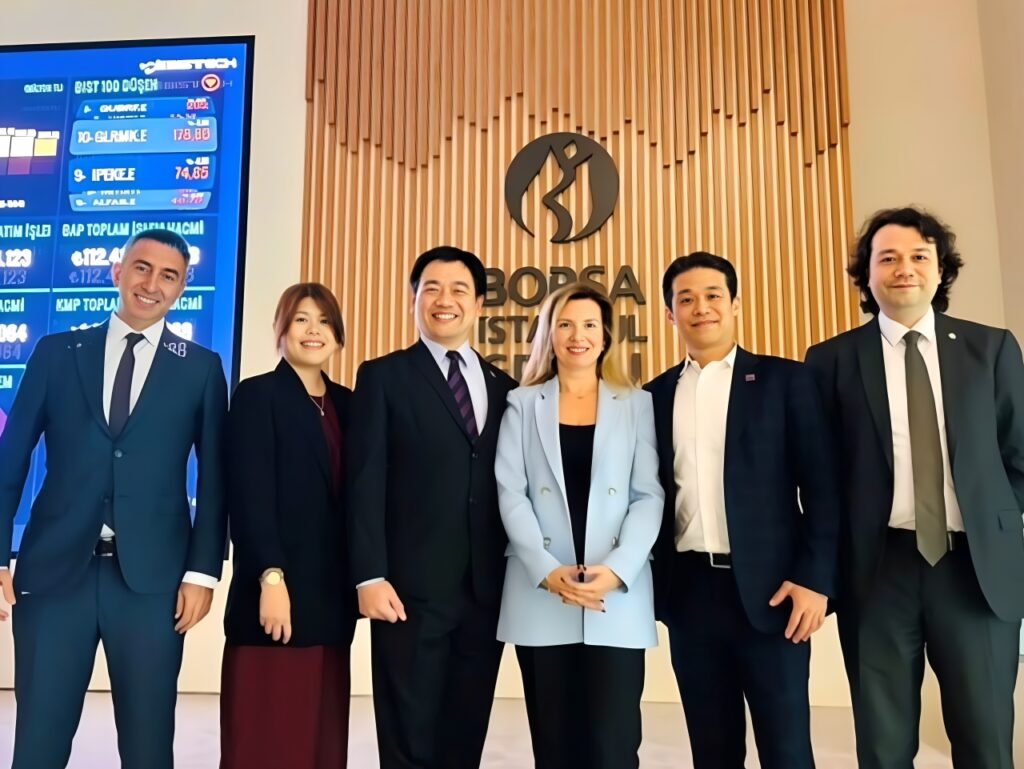
Guo recalled his trip to Europe in September 2025, visiting exchanges and IR associations in several countries, from Frankfurt to Bulgaria and then Istanbul. It was more than just a visit; it was a profound observation. “The world knows Taiwan is strong in the supply chain, but they find it difficult to name specific companies. It’s not that the companies aren’t good enough; it’s that we haven’t actively told the world why they are good.”
In his view, information asymmetry is the biggest market fault line. If companies focus solely on operations and neglect communication, they will ultimately be categorized merely as “silent forces” in the international market.
“Among Taiwan’s over 1,900 listed and OTC companies, silence equals invisibility.” For Guo, investor relations is not just about information disclosure, but a demonstration of responsibility. “The core of IR is to make trustworthy companies understood.” He believes that international capital values efficiency, and the market always rewards companies willing to clearly articulate their story and consistently build trust.
Guo is convinced that only when companies learn to replace silence with dialogue and speculation with trust on the international stage can Taiwan’s 8th place market cap truly translate into deeper influence.
What the Market Rewards is Verifiable Honesty
In Jonny Zong-Lin Guo’s view, the value of investor relations ultimately gets quantified in the market. It’s not just an act of communication, but a practice of governance. He often uses these two distinct examples to illustrate what he means by “professionalism speaks.”
The first is the joint material information conference held by Hon Hai Precision Industry Co., Ltd and TECO, represented by Hon Hai spokesperson Wu Chun-Yi and TECO spokesperson Chien Shih-Hsiung. The conference announced a strategic alliance through a share swap to jointly deploy global Artificial Intelligence (AI) data centers. At that press conference, standing at the front were not the chairmen, but the spokespersons and investor relations heads of both parties. There were no slogans, only professional explanations and precise information. “I knew clearly that when professionalism is placed at the forefront, market trust follows on its own.” That brief public explanation became a turning point for Taiwan’s capital market. Subsequently, the stock prices of both companies rose simultaneously, with market capitalization reflecting the market’s reward for transparent communication. “When investors trust your information, they respond with real money.” This is the conclusion he has drawn from repeated observation.
The second example serves as a somber warning. It concerns a company with a long history of poor governance ratings and insufficient information disclosure, where warning signs were already present in public data. Guo points out that if a company chooses to ignore these signs, it’s effectively leaving risk to chance. The eventual outcome wasn’t just financial loss, but a chain reaction of collapsing trust. “IR is not a fire extinguisher; it’s a transparent mechanism that allows risks to be seen.” He emphasizes that a truly mature market isn’t one without risks, but one where risks can be identified early.
Guo has always believed that governance and communication are two sides of the same coin. Governance must be supported by institutions, but trust is accumulated through communication. “The market will ultimately price professionalism, but the prerequisite is that professionalism must be understood.” For companies, short-term exposure never equals trust. Only disciplined communication and long-term integrity can leave a true credit record in the market. “Investors aren’t afraid of risk; they’re afraid you’re not clear.” This simple statement is perhaps his most profound annotation on the logic of market trust.
From Concept to Structure: Making Expertise Verifiable
Jonny Zong-Lin Guo often says that the raison d’être of an association is to institutionalize ideals and make expertise verifiable. TIRI’s development has followed this logic, establishing three pillars: Certification, Connection, and Tools. These three are not just the association’s operational structure, but also the crucial foundation for the maturation of Taiwan’s capital market.
The first pillar is the TIRIC (Taiwan Investor Relations Institute Certificate) professional certification. This system moves investor relations from experience-based tradition to a knowledge system, from individual practice to verifiable expertise. “TIRIC isn’t just another piece of paper; it allows companies to instantly identify professionalism.” Guo points out that in the past, many business leaders lacked a clear understanding of the role and capability boundaries of IR. The certification system enables talent and companies to align, establishing a more stable professional standard:
“When companies know who to look for and why, the efficiency of market dialogue improves, and professionalism gets noticed.”
The second pillar is “Connection.” TIRI is dedicated to establishing a tripartite communication network among companies, investors, and the media. One of Guo’s most frequently quoted sayings is: “The market will not actively understand silence; only professionalism that is seen can be trusted.” This phrase has become the core belief driving the association’s cross-industry collaboration efforts. Beyond hosting forums and training, TIRI places great importance on establishing long-term interactive mechanisms, allowing companies and the market to form a virtuous cycle of understanding and trust:
“Often, it’s not that companies are performing poorly, but that no one knows how good they are. The purpose of connection is to ensure that true value is communicated correctly.”
The third pillar is “Tools.” The association has introduced ESG evidence chains, communication platforms, and AI analysis systems, pushing IR from traditional manual operations towards data-driven decision-making. “AI is not a threat, but a magnifying glass that helps us quickly identify what the market truly cares about.” Guo states that in an era of information overload, relying solely on human reaction is insufficient to keep pace with the market. Through the integration of data and systems, professionalism can maintain both efficiency and depth. “Expertise needs to be seen, methods need to be replicable, and tools need to be utilized effectively.”
For Guo, these three pillars represent long-term market construction. Certification defines professionalism, connection enables understanding of relationships, and tools extend trust. When ideals form an orderly system, IR becomes an engine driving the steady growth of the entire capital market.
True Internationalization is the Ability to Exchange Value
In the seven years since its founding, TIRI has established direct contacts with investor relations associations in over a dozen countries, from the US, Germany, Italy, Belgium, Turkey, Singapore, Hong Kong, and Japan, gradually building a professional network spanning Europe and Asia. It was a long and challenging road. “Initially, when we called foreign associations, they thought we were scammers. But now we can engage in dialogue as equals, introducing each other and validating each other.” This transformation, from being an “observed party” in the early days to a “cooperative partner” now, symbolizes Taiwan’s gradual establishment of a trustworthy professional position in the international capital market.
Guo consistently emphasizes that the focus of internationalization is not on overseas visits, but on the ability to generate value exchange and mutual growth. “Going out is just the first step; bringing things back is more important.” TIRI deconstructs best practices from various countries into concrete modules, then integrates and adapts them according to the characteristics of the Taiwan market.
“‘Taiwan can help’ – this phrase represents our willingness to share what we have learned and achieved with the world and move forward together.” Guo adds that this mindset allows Taiwan to no longer be just an observer or learner, but a cooperative partner capable of actively exporting materials, processes, and tools. When a market has the capacity to contribute, its voice naturally becomes an invitation rather than something to strive for.
Guo believes that IR internationalization is not just about professional connections, but also about extending trust. When Taiwan’s systems are referenced by other countries, and when Taiwan’s cases are included in international teaching materials, it demonstrates not just the association’s achievements, but the brand value of a market. “When one market can help another market become better, trust naturally gravitates towards it.” This phrase is the core belief driving his promotion of the association’s globalization.
Guo hopes that in the future, more companies will proactively participate in international dialogue, so the world remembers not only Taiwan’s industrial strength but also the professional spirit of this market. For him, IR internationalization is a long-term trust-building project, making “Taiwan” a trustworthy market language, not just a geographical term.
AI and ESG: Co-defining the Next Market Logic
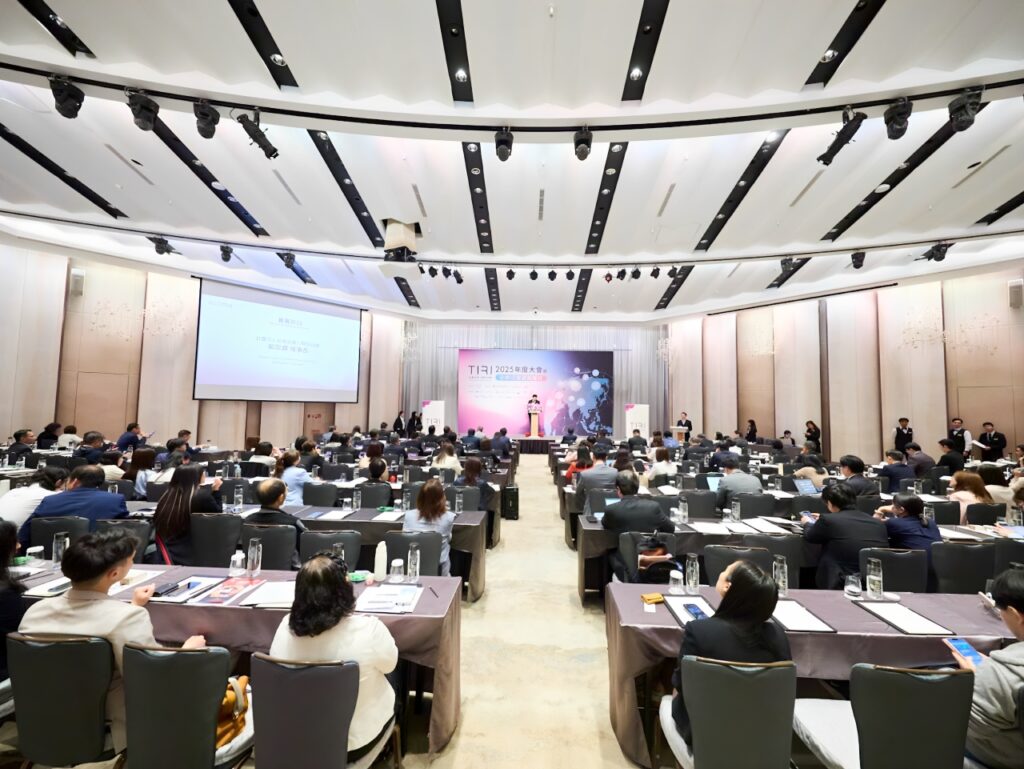
Jonny Zong-Lin Guo pinpoints the next critical juncture as 2026, when the Corporate Governance Evaluation is officially upgraded to an ESG Rating. This change represents not just an adjustment in scoring criteria, but a renewal of the entire market mindset. At that point, dialogue between companies and investors will focus more on tangible environmental and social outcomes, allowing value to be concretely verified. “Previously, we only talked about Governance; next, we must clearly articulate the E (Environment) and S (Social).”
In his view, this is a process of teaching the market to “speak honestly” again. If companies cannot provide auditable ESG evidence, they are effectively closing the door on themselves, losing the qualification to engage in dialogue with international capital:
“ESG is not about image; it’s a condition for survival. When information cannot be verified, trust cannot be generated.”
Guo is also paying close attention to AI’s profound impact on IR. He believes AI’s value lies in making decisions more forward-looking and communication more precise. “AI enables faster information processing and more immediate responses, but human judgment remains the core of direction.” For him, technology and professionalism complement each other. Tools can amplify results, but direction still depends on expertise and integrity. Whether a company can maintain its initiative in the future depends on its ability to integrate technology with strategy and transparency.
Speaking about the future, he offers three practical starting points for companies. First, bilingualize all key communication materials so global investors can understand them immediately. Second, reassess the investor base, clearly distinguishing between long-term and short-term capital attributes to allow focused communication segmentation. Third, establish an ESG evidence chain, ensuring every effort is backed by traceable data:
“When IR becomes part of corporate governance, information transparency is no longer a pressure, but a capability.”
Guo points out that a company’s value never resides solely in its financial reports, but in the depth the market is willing to understand. When transparency and trust form a positive cycle, valuation naturally follows. For him, 2026 is not just a year of institutional upgrades, but the starting point of a new order. “What truly moves Taiwan forward are those willing to be understood and willing to be verified.” This has been his most sincere expectation for the market over the years:
“True trust is always built on honest demonstration. When companies dare to face the market, understanding and trust will follow.”
Recommend for you:
CAMentrepreneurs Taipei 101 ESG Forum: Governance Sets the Ceiling for Trust Capital