
At a time when the global traffic landscape is being reshaped and AI technology is rapidly transforming industrial logic, the narrative of Chinese companies going global is quietly undergoing a fundamental shift. Over the past decade, the core challenge of cross-border development was “how to achieve product-market conversion.” Today, however, the market is increasingly asking a sharper question: what kind of capabilities can this company truly deliver to the world?
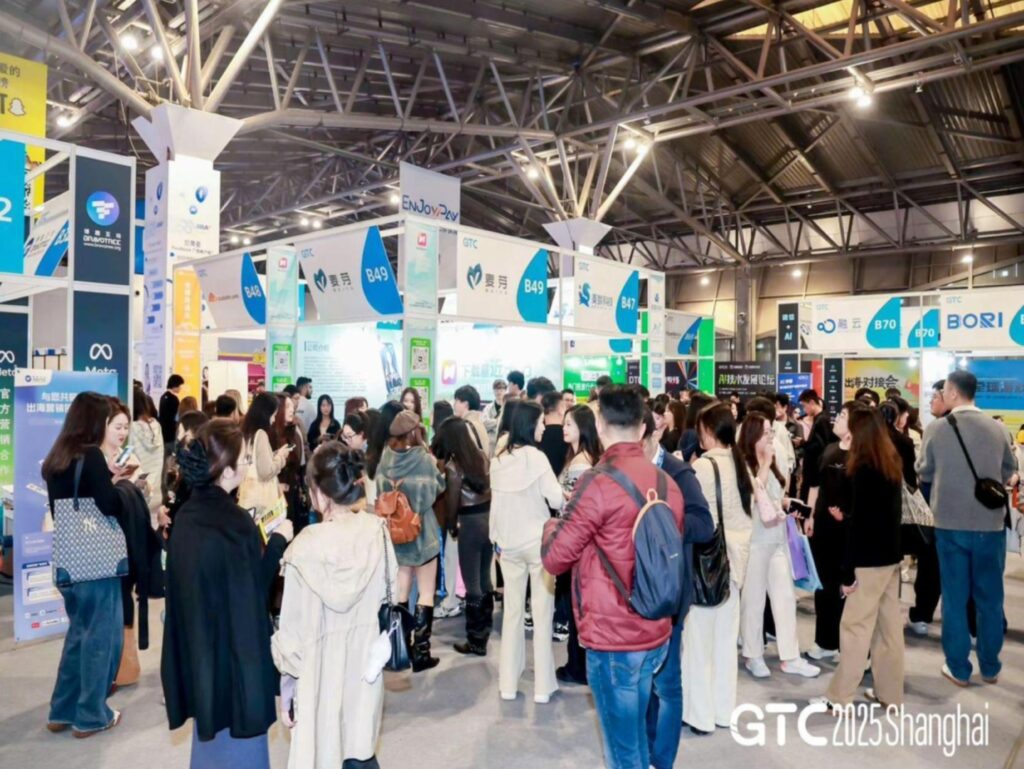
In November 2025, GTC2025 Shanghai, hosted by BelugaGlobal , was held at the Shanghai World Expo Exhibition & Convention Center. As one of the largest and most influential industry events in China’s cross-border expansion ecosystem, this year’s conference focused on key sectors such as games, apps, DTC brands, AI, and technology services. Bringing together global developers, brands, service providers, and capital institutions, the event combined exhibitions and forums to serve as an important platform for showcasing China’s global expansion ecosystem.
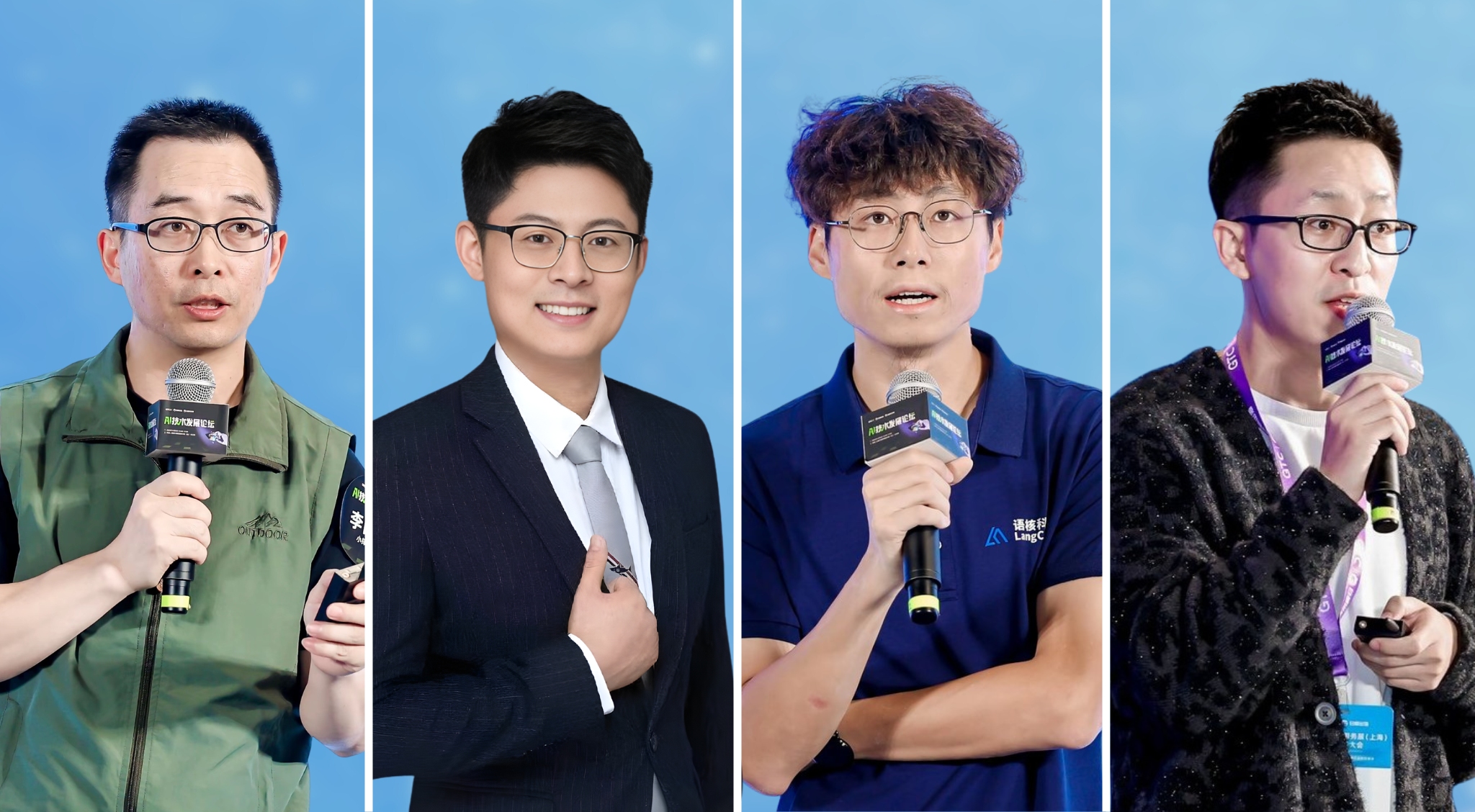
During the conference, the interview team of The Icons held in-depth discussions with four frontline practitioners from the fields of international logistics, overseas market research, AI agents, and industry data research. Although they operate in different sectors, their insights point to the same emerging structural transformation: the shift from “product globalization” to “capability globalization” and “trust globalization.”
The Path to Globalization Often Begins with the Founder
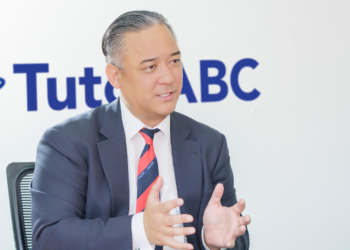
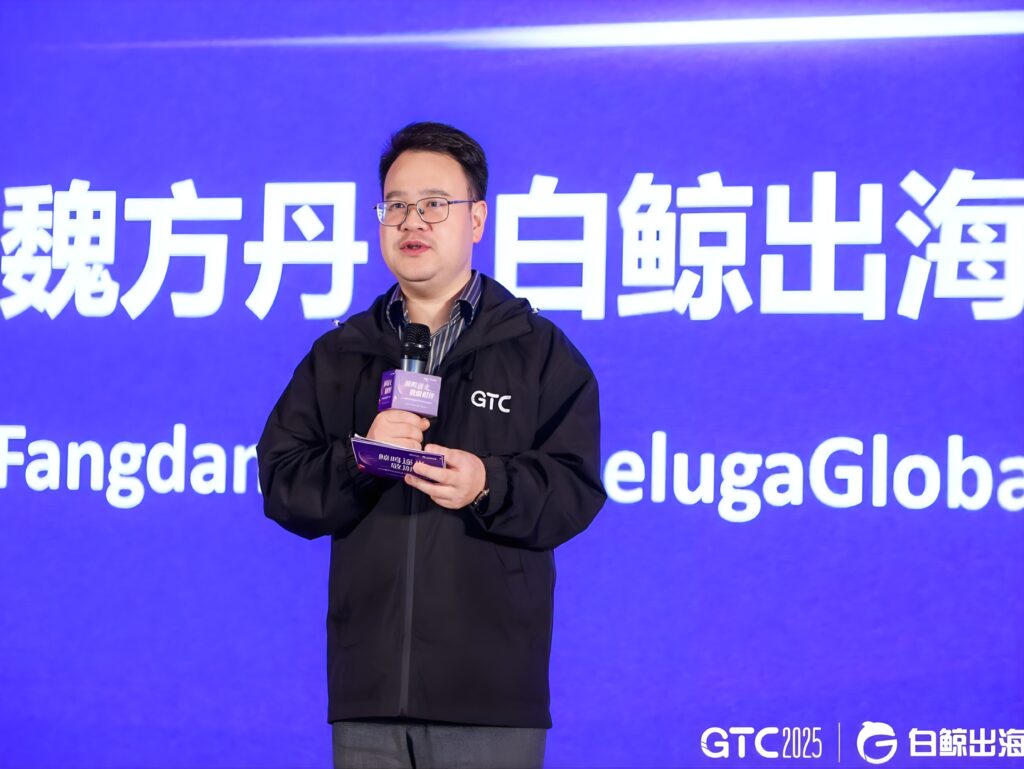
“The success of a company is ultimately deeply tied to its founder,” said Bandari Wei, founder and CEO of BelugaGlobal, summarizing his long-term observations of Chinese companies expanding overseas. He pointed out that many companies have already matured in terms of technology, products, and organizational capabilities, yet still struggle to truly open overseas markets. The key issue often lies not in capability, but in whether the founder has upgraded their understanding of the global market and redefined the company’s positioning.
“A company is like a mirror reflecting the founder’s perspective and cognitive structure,” Wei said. “How a founder understands the world determines how the company enters the world.” At GTC2025 Shanghai, this observation was reflected in the real-world practices shared by several speakers.
Guoshan Li Shanghai Xiaoze Intelligent Technology Co., Ltd.Founder & CEO: When Logistics Is No Longer Just Transportation, but a System That Can Be Trusted
Having worked for many years in international freight and supply chain management, Guoshan Li Shanghai Xiaoze Intelligent Technology Co., Ltd.Founder & CEO, has observed not merely fluctuations in a single market, but a fundamental repositioning of the industry’s role.
“In the past, logistics solved a single link in the chain. Now clients need a fully deliverable route,” he said. Services limited to port-to-port shipping, first-leg transportation, or last-mile delivery are no longer sufficient to support the deep overseas expansion of Chinese enterprises. Instead, the industry is shifting toward end-to-end, door-to-door supply chain services.
These services cover the entire process, from domestic pickup, customs declaration, and ocean freight to destination port clearance, overseas warehousing, and last-mile delivery, while also extending to financial settlement and exception management.
This transformation requires logistics companies to develop stronger international organizational capabilities and risk management capacity.
“This is no longer a labor-intensive service industry; it is a competition of system capabilities,” Li explained.
In traditional logistics, where operations rely heavily on the experience of veteran workers, new employees often require three to five years of training before they can operate independently. Even experienced staff face clear limits in time and energy.
Li’s solution is to train expert knowledge into AI-powered specialist agents. Rather than building a simple customer service tool for a single company, the goal is to replicate expertise across specific roles throughout the entire industry.
“The real competitive advantage does not lie in how many people you have today, but in whether you can transform expert judgment into a system capability that can be called upon 24 hours a day,” he said.
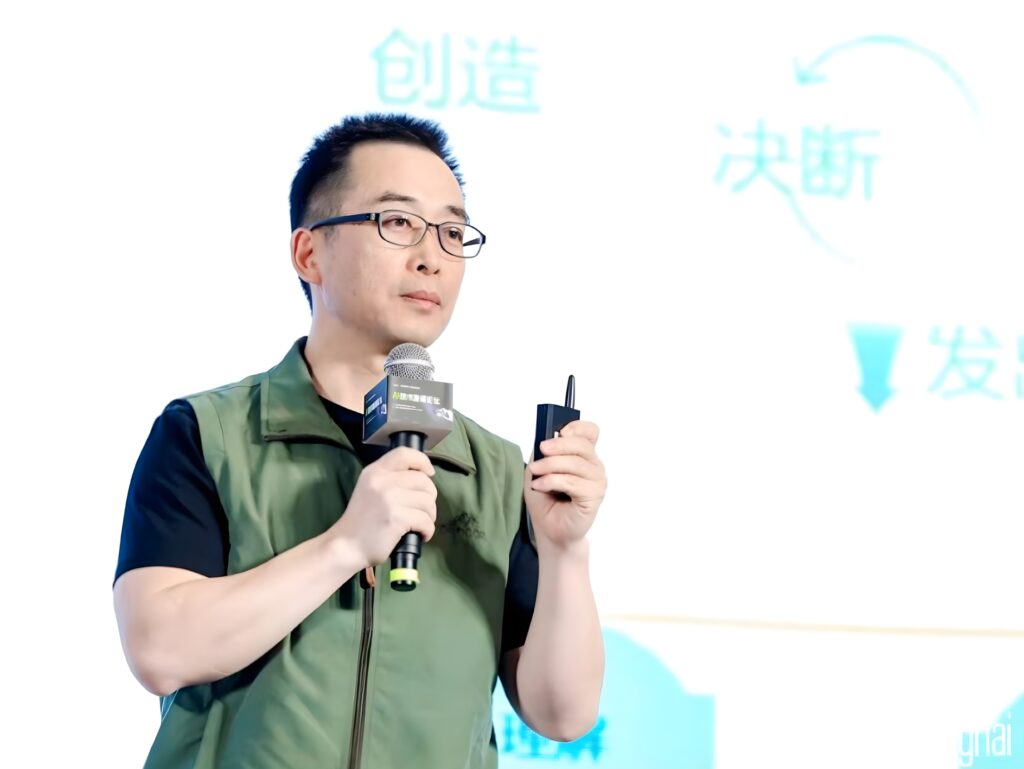
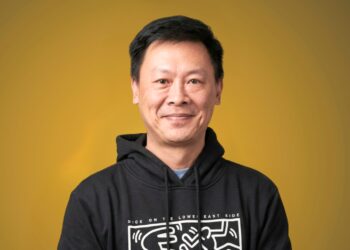
Brother Zhong Founder of Overseas Research Institute: When Going Global Becomes Mandatory, Trust Is Repriced
If logistics represents the upgrade of industrial infrastructure,Brother Zhong, Founder of Overseas Research Institute, focuses on the real ecosystem of frontline entrepreneurs.
Having long operated overseas-focused communities and participated as a judge for the “Whale Sound Awards,” he has observed a growing divide among companies.
“Going global is no longer optional; it has become mandatory,” he said. The real difference lies in whether companies can survive the uncertainty of the early stages.
In his view, the three most prominent trends in global expansion today are AI integration, localization, and the rise of soft power. Chinese companies are no longer relying solely on advantages in manufacturing and R&D; they are also beginning to build global influence through content, branding, and cultural output.
“In the U.S. market, people often recognize the person before they recognize the product,” he explained. He cited the example of a Chinese food truck manufacturer who consistently shared factory life and personal stories on TikTok. By building trust with overseas audiences, the company eventually achieved annual revenue exceeding US$15 million.
In Zhong’s view, such cases are far from accidental. “A founder’s personal brand is becoming one of the lowest-cost yet most valuable long-term trust assets for companies going global.” As advertising costs continue to rise, the trust accumulated through personal identity is becoming an increasingly difficult moat to replicate.
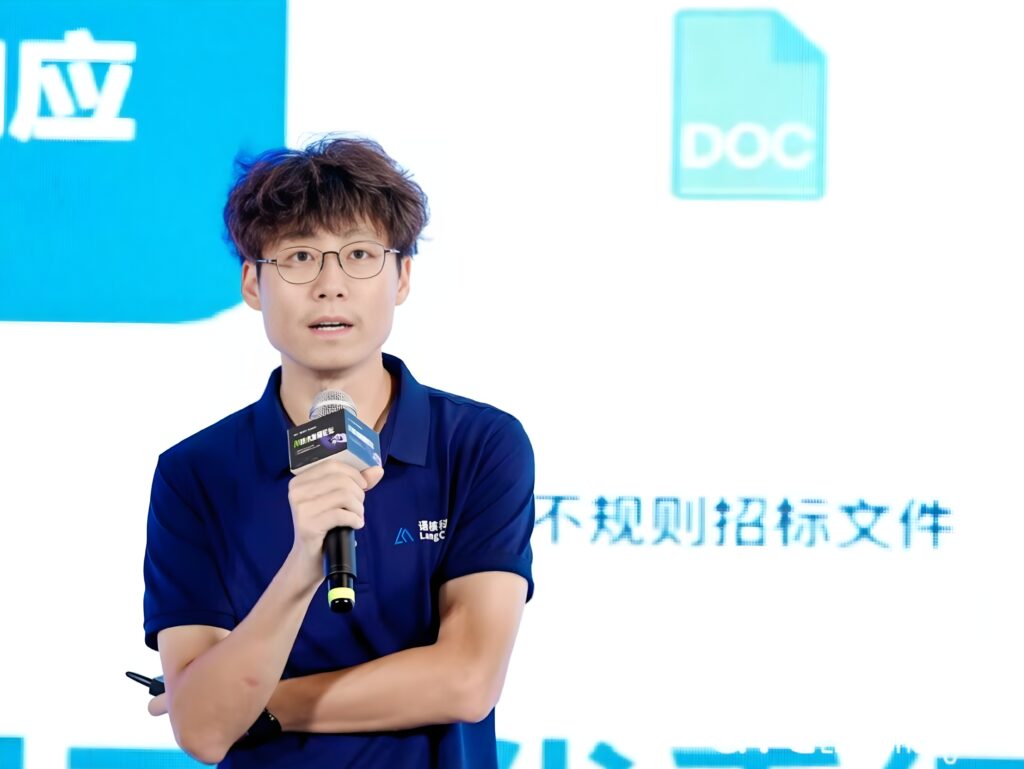
Abel Zhai LangCore (Shanghai) Technology Co., Ltd Founder & CEO: AI Agents Enable China to Export Service Capabilities at Scale for the First Time
Standing at the intersection of AI and agent technologies, Zhai Xingji, founder and CEO of LangCore, sees a moment of historic significance.
“This is the first time China has begun systematically exporting service capabilities to the world,” he said. From “Copy to China” to “Copy from China,” Chinese companies in the AI era are no longer just followers, they can face the global market from day one.
However, he emphasized that companies capable of long-term success must meet three conditions simultaneously: achieving product–market fit (PMF) in technology and products, implementing deep localization, and building strong organizational execution.
“The North American market values product strength, while the Japanese market values stability. Every market has its own commercial language,” he said. Globalization has never been about spreading effort evenly; it requires identifying an entry point and then expanding step by step.
In his view, the core value of AI agents lies in enabling capabilities to be repeatedly invoked and continuously accumulated.“Only when capabilities can be replicated can a company truly gain the possibility of surviving across cycles,” he said.
Jason Unique Research Head of Research: Why Long-Termism Has a Higher Probability of Success
As a research institution that tracks overseas expansion data over the long term, Unique Research Head of Research provides a rational reference point for the market.
From recent rankings and data, they have observed a clear signal: the logic of going global is shifting, from project-based arbitrage to capability-driven long-termism.
“Products that run the longest are often not those with the fastest growth, but those with the healthiest retention rates, regional distribution, and revenue structures,” said Huan Jiachen.
Using companies such as SeaArt AI, HelloTalk, and QuickCEP as examples, he noted that these businesses did not rely on a single breakout moment. Instead, they gradually built replicable capability models through long-term user retention and multi-market validation.“The value of conferences like this is not that they provide more information, but that they reduce the cost of trial and error,” he said. Industry gatherings such as GTC serve as important venues for entrepreneurs, service providers, and investors to recalibrate their understanding simultaneously.
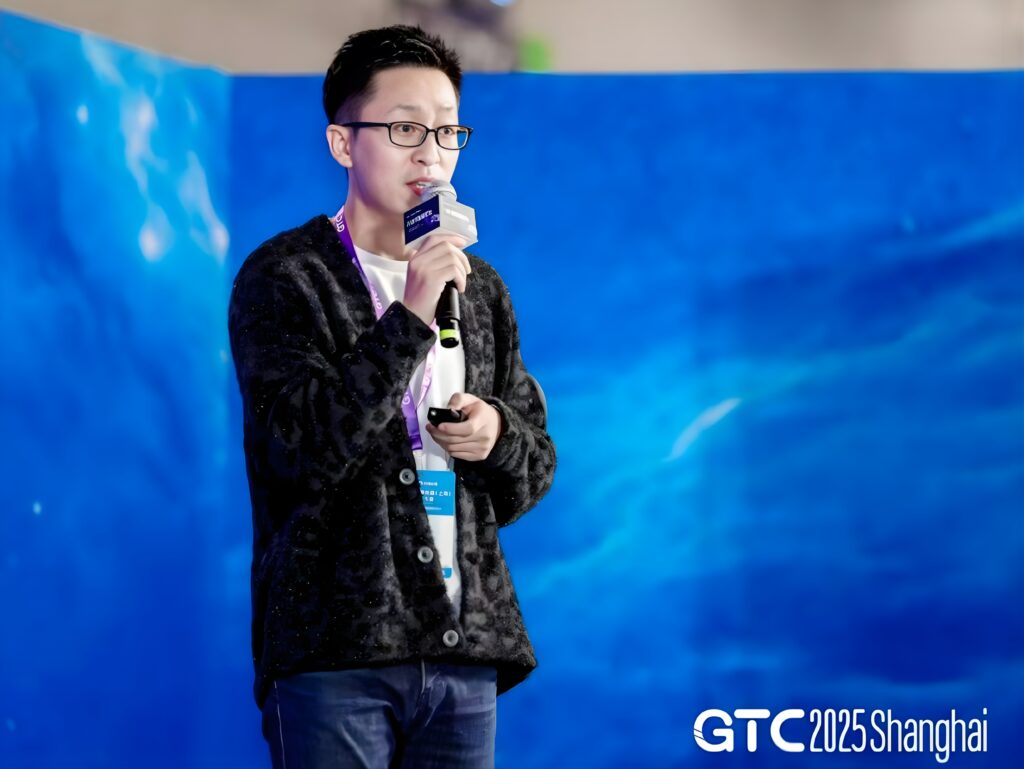
Head of Research noted that companies do not rely on single breakout successes; instead, they gradually build replicable capability models through long-term user retention and validation across multiple markets. (Photo: GTC2025 Shanghai)
Traffic Dividends Eventually Fade; Capabilities Become Long-Term Assets
Looking back at the perspectives shared by the interviewees, despite their different industries, they all point toward the same conclusion: as global competition accelerates, traffic is gradually becoming secondary, while capabilities and trust are emerging as the new global currency.
From logistics upgrading to door-to-door supply chains, to companies rethinking localization, compliance, and organizational capacity, and to the structural productivity changes brought by AI agents, frontline experiences across sectors reveal a shared consensus.
Chinese companies going global are moving from the stage of “running fast” to the stage of “going far.”
This is no longer simply a question of market opportunity. It is about whether a company’s internal capabilities can withstand long-term competitive pressure.
As short-term dividends fade, the companies that ultimately remain are rarely those best at chasing trends, but those that invested early in building organizational structures, product strength, and trust.
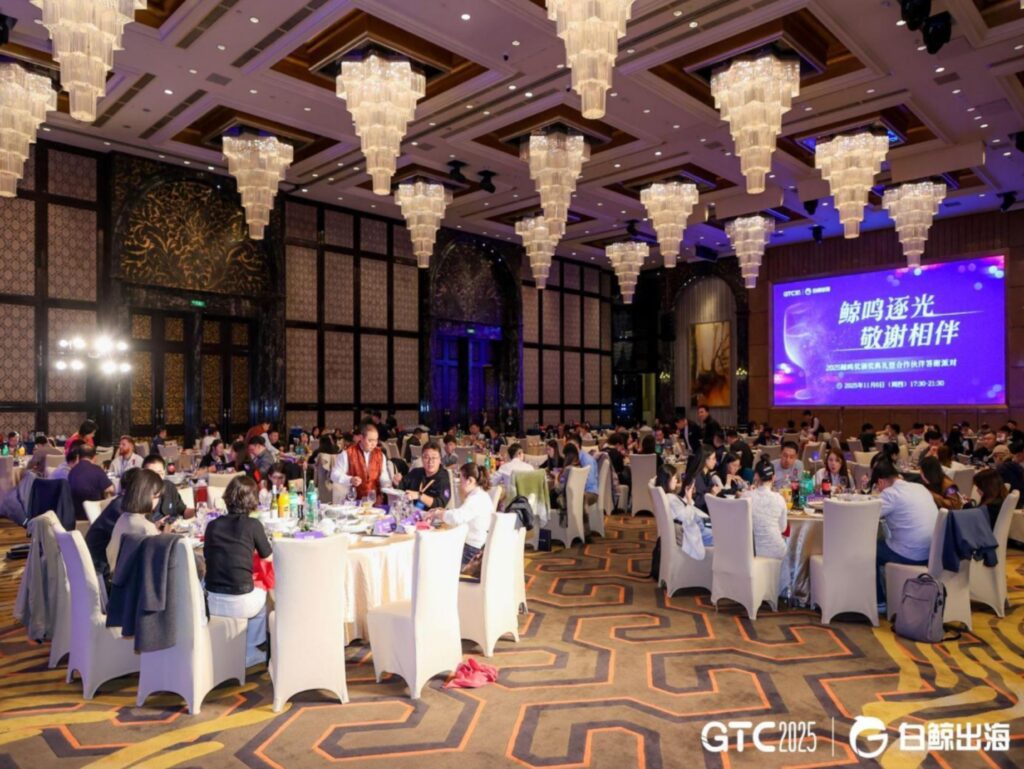
From the Going-Global Boom to a Long-Term Value Divide
Against this backdrop, the significance of the GTC Global Traffic Conference goes beyond that of an industry event. It has become a clear dividing line: some companies remain trapped in the logic of traffic and arbitrage, while others are already betting on long-term capabilities.
When products can be easily replaced and technologies quickly replicated, only capabilities that can operate across markets, withstand repeated validation, and grow stronger over time can truly form a company’s competitive moat.
For Chinese companies, this may be the central question of the next phase of globalization: not just “how to be seen by the world,” but whether they will still have reasons to be chosen after the spotlight fades.
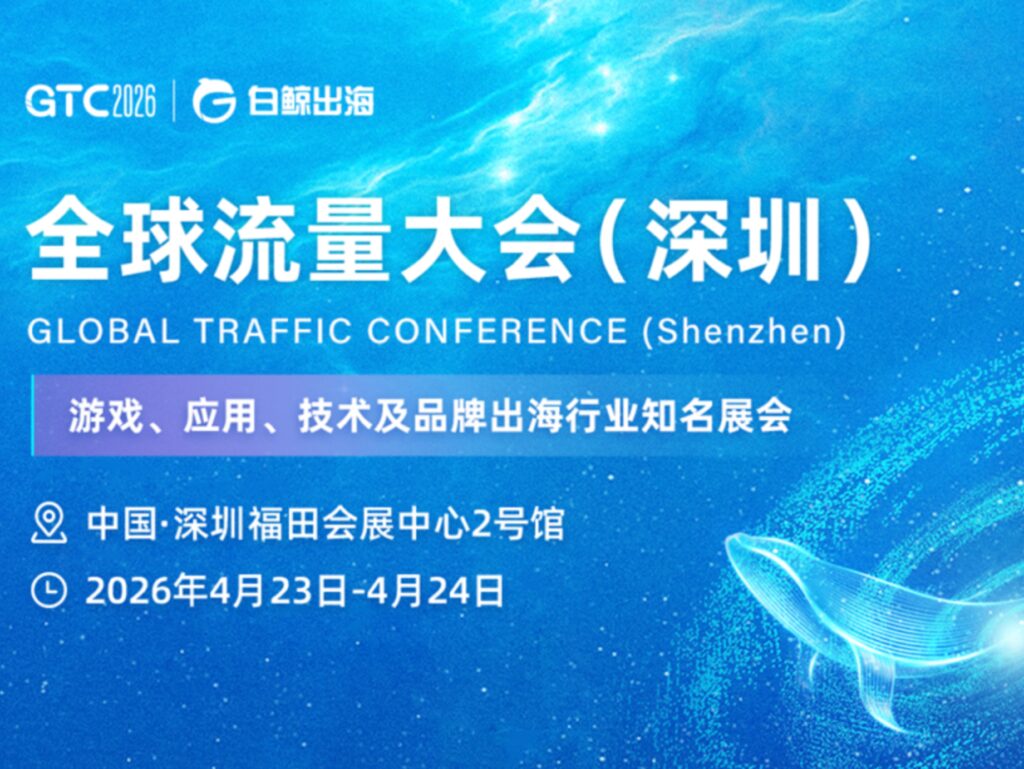
When traffic eventually disappears, what remains is never just business. It is a complete system of values and organizational structures capable of withstanding the test of time.This year, Baijing Going Global will host the GTC2026 Shenzhen from April 23 to 24 in the second avenue of Shenzhen Futian Convention and Exhibition Center. One of the core topics will focus on how digital tools can reconstruct connections in an increasingly fragmented supply chain environment, ensuring efficient operations and smooth business execution.
Recommend for you: