
As global supply chains accelerate their restructuring, the question facing companies and capital has shifted from “where to invest” to “whether to enter the core nodes of future industries.” The traditional allocation model focused on low tax rates and financial efficiency is gradually losing its dominance, replaced by a long-term layout built around industrial structures.
With semiconductors, artificial intelligence, and defense industries elevated to national strategic levels, America’s reindustrialization process is simultaneously reshaping capital flows. The operational logic of assets is shifting from virtual circulation to physical deployment. Companies and family offices are beginning to reassess their positions, thinking about how to establish a sustainable value base in global competition.
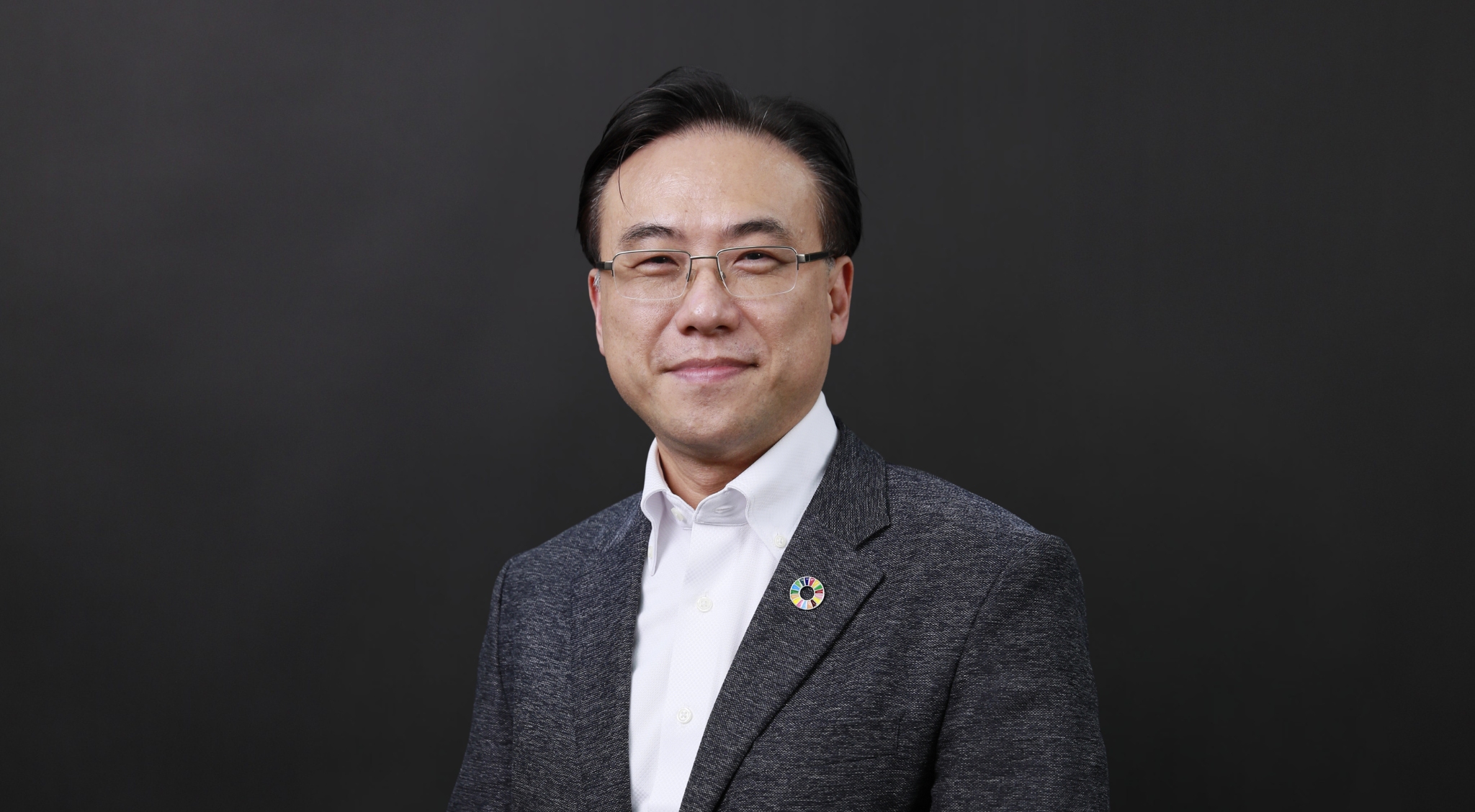
In an exclusive interview with The Icons, a UK based global entrepreneur media platform, Steve Hsu, Director of the Arizona-Taiwan Trade and Investment Office, stated: “Companies, families, and even individuals must place Taiwan and Arizona within the same international framework in order to build long-term competitive advantages.”
This perspective comes from his long-term interactions with business owners and family decision-makers, reflecting the deep transformation currently underway in capital allocation logic.
Capital Allocation Shifts from Efficiency to Industry
For decades, capital allocation was highly centered around efficiency maximization and tax advantages, but this logic has gradually wavered as geopolitical and industrial security concerns intensify. Companies are beginning to realize that if assets cannot be deeply integrated with industries, it will be difficult to maintain competitiveness in the future.
Steve Hsu observed a clear shift: “Many family offices that used to habitually park their funds in Singapore or Dubai are now reassessing whether they need asset allocations supported by real industries.”
He further pointed out that Arizona’s uniqueness lies in the strong overlap between industry and policy. “Here, semiconductors, aerospace and defense, and AI infrastructure are all concentrated. Assets don’t just sit here; they are continuously driven by the industries.”
When capital resonates with industry, its value no longer comes from short-term arbitrage but from long-term structural growth.
A Generational Shift Is Reshaping the Industrial Landscape
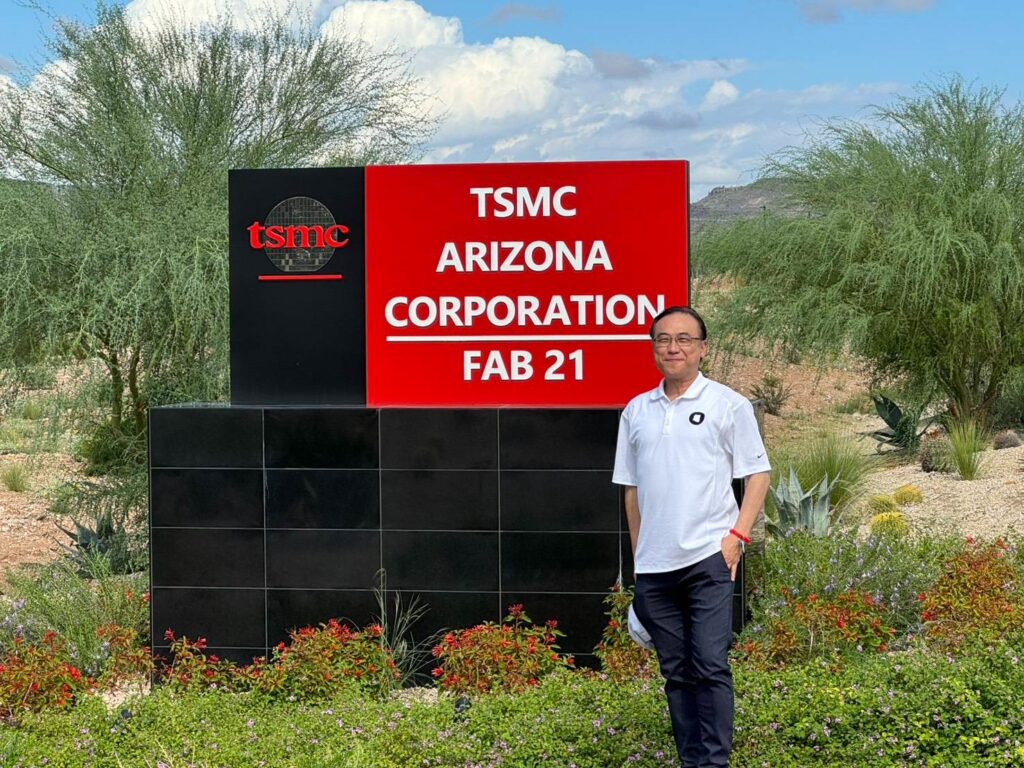
Taiwan’s semiconductor success is the result of decades of accumulated industrial development, and this history is now extending outward. As TSMC and other companies enter Arizona, a deeper question emerges: who will take over the next stage of development in this cross-border industrial arena?
Steve Hsu’s thinking has evolved precisely at this turning point. He recalls the industrial origins depicted in “Mountain Maker” and sees it as a historical metaphor. “The previous generation completed the establishment of the industry. The next phase of development must be carried forward by our generation.”
This understanding has extended his role from policy promotion to more active industrial participation. Steve Hsu continuously observes trends while choosing to position himself at key junctures, attempting to exert tangible influence in the process.
“We are writing a new industrial narrative.” This transformation involves both geographical expansion and the reconfiguration and continuation of the entire industrial structure.
Cross-Border Expansion Becomes a Threshold as Companies Move Towards Multi-Market Competition
As industries and policies become highly intertwined, it is increasingly difficult for companies to treat a single market as their main battlefield. Cross-border deployment is gradually becoming the basic threshold for entering the global competitive system.
“The relationship between Taiwan and Arizona is already a structural linkage,” Steve Hsu noted. This linkage means that companies need to understand the operational logics of different markets simultaneously. “Future competition will hinge on whether you can establish positions in multiple markets at the same time.”
As markets shift from single-point competition to multi-node layouts, corporate decision-making frameworks must also upgrade. In such an environment, the risks of cross-border investment increasingly concentrate on information asymmetry. When many companies enter new markets, the real challenge is the lack of sufficient decision-making basis.
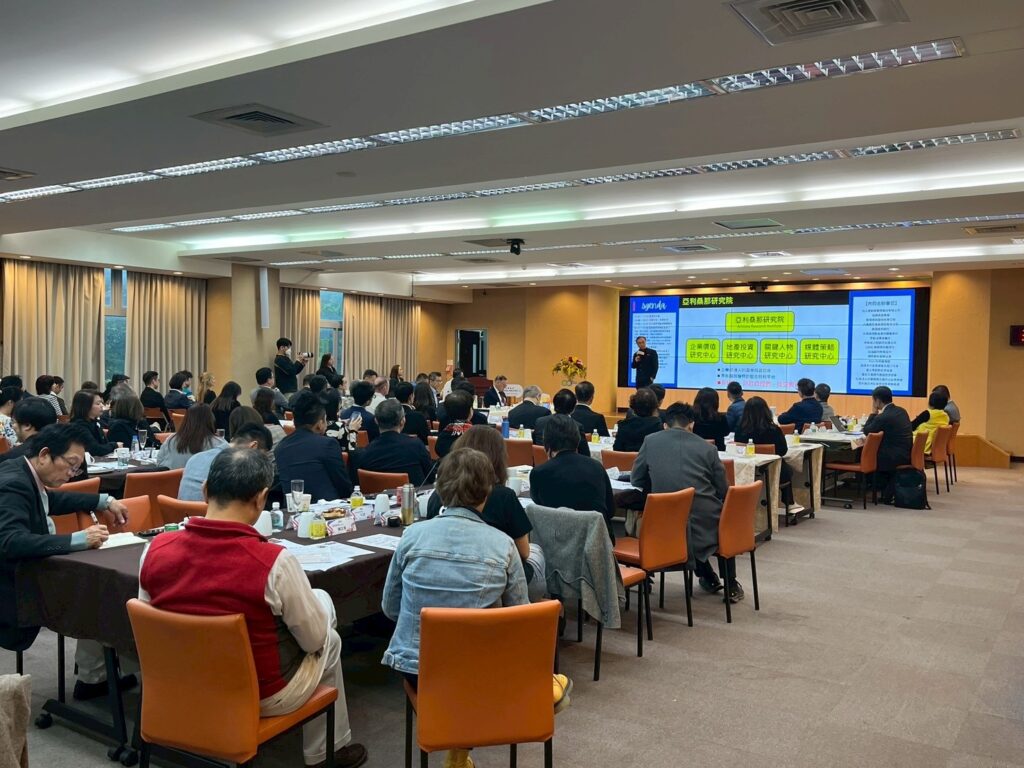
“The problem has always been insufficient information.” To address this structural gap, Steve Hsu has established six research frameworks through the Arizona Research Institutes, covering industrial intelligence, key figures, and asset allocation, each targeting blind spots in decision-making.
“If you don’t know who the key decision-makers are locally, it’s hard to truly enter the market.” Under this design, research is gradually transformed into decision-making capability. Networks, intelligence, and market understanding are integrated into an operable system, turning cross-border deployment from a highly uncertain activity into a manageable and continuously optimizable strategy.
As AI Reshapes Industry, Decision-Making Becomes Central to Long-Term Competition
The rapid development of artificial intelligence is challenging many asset-light models and prompting capital to reassess the sources of long-term value.
“The future will move toward heavy asset, low obsolescence investment directions,” Steve Hsu believes. Sectors such as semiconductors, energy, infrastructure, and real estate possess high resistance to technological substitution. “These industries are not easily replaced by AI in the short term, so they offer long-term stability.”
This shift is directing capital allocation from a pursuit of speed toward a focus on stability and depth. Industry choices directly affect the lifecycle of assets. In this trend, Arizona’s industrial structure provides an allocation environment with strong long-term support.
As the three major variables of US-China competition, AI transformation, and family succession occur simultaneously, companies and families face a highly complex and ever-evolving decision-making environment.
Steve Hsu views it as a long-term race. “This is a structural change that will last for thirty years.” Therefore, he has chosen to operate in a platform format, enhancing decision quality through long-term accumulation. “The platform itself doesn’t necessarily need to be profitable directly, but the intelligence value it creates will generate returns elsewhere.”
This model allows decision-making capacity to accumulate continuously, gradually forming long-term advantages. When companies can continuously optimize their judgment, asset allocation will produce a stable compounding effect over time.
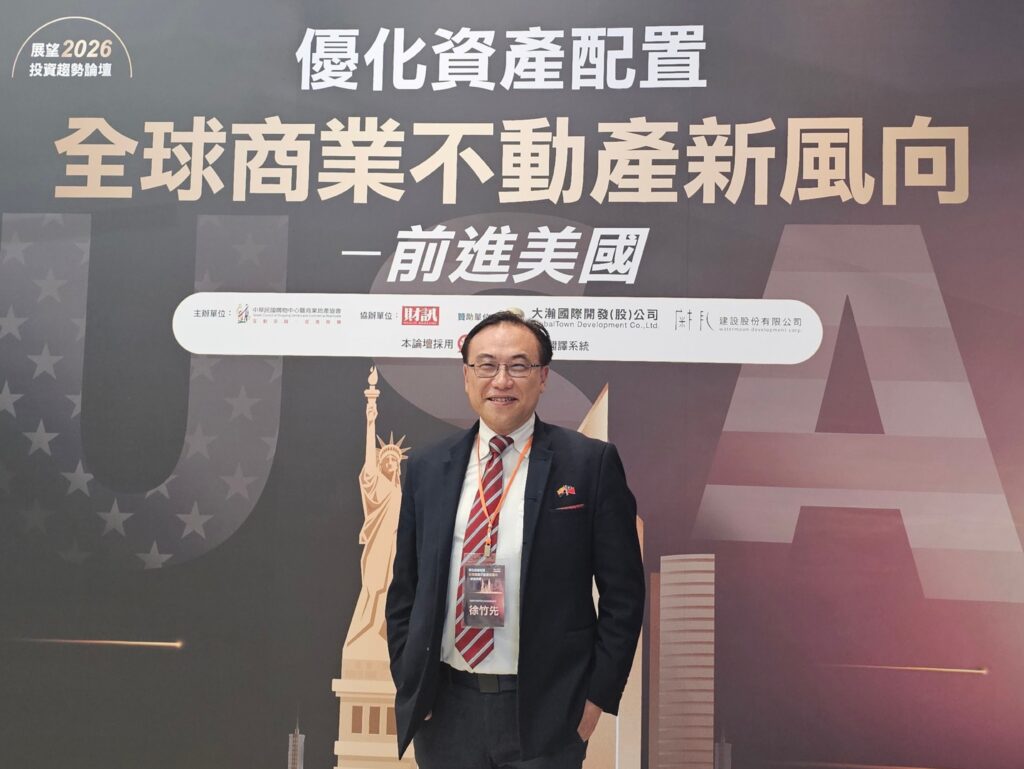
Arizona Is Emerging as a New Focus for Corporate and Family Capital
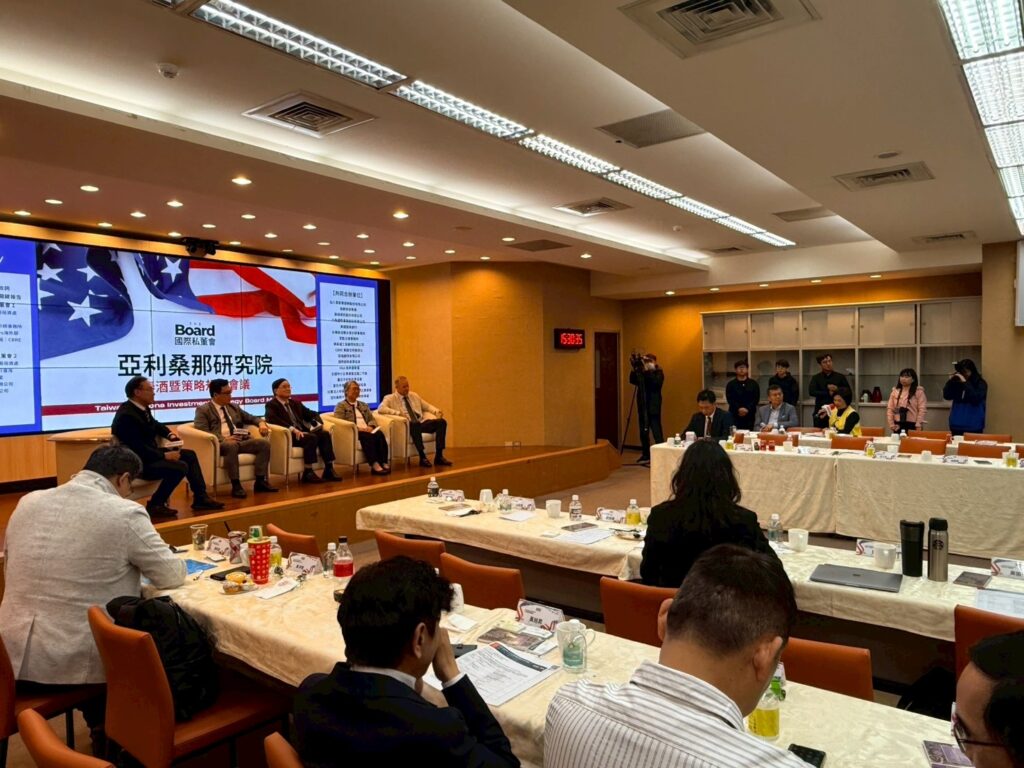
Talking about the Arizona Research Institutes’ upcoming concrete plans, Steve Hsu pointed out that this is a nonprofit platform operated through corporate sponsorship to maintain a top-tier research team, continuously accumulating business intelligence reports and strategic toolkits for member entrepreneurs as decision-making references.
He believes the current world is being shaped by three intertwined major variables: the US-China competitive landscape is set for the next thirty years; AI is rewriting the underlying logic of all industries; and many Taiwanese companies and families are entering a critical period of succession and transition.
“This is a knockout competition for global industrial chain restructuring and wealth redistribution,” Steve Hsu said.
Against this backdrop, he proposed the HALO (Heavy Asset, Low Obsolescence) investment trend, covering infrastructure, semiconductors, aerospace and defense, biomedicine, waste management, raw materials, energy, and real estate. These tangible assets, not easily replaced by AI, are becoming the core of Arizona’s development.
Going forward, Steve Hsu will regularly publish decision-maker oriented research reports under the six-center framework and host “Arizona Private Boardroom” meetings in both Phoenix and Taiwan. These high standard, closed door decision-making environments will help member companies grasp the direction of core asset allocation early on.
“This platform itself is public welfare oriented and will not generate profit; but the intelligence value created by the platform will help us obtain business returns outside the platform.” He noted that only by generating substantive profits can the related work achieve true sustainability.
Returning to his original belief, Steve Hsu still positions himself as someone who witnesses and records the changes of the times. As the global industrial chain restructuring continues to deepen, Arizona will not just be an investment location in the American Southwest, but will become an important gateway for Taiwanese companies and family capital to understand the next round of global industrial landscape:
“I believe that in the near future, mastering the Arizona deployment will surely become a new norm for Taiwan’s family offices and business circles.”
Recommend for you: