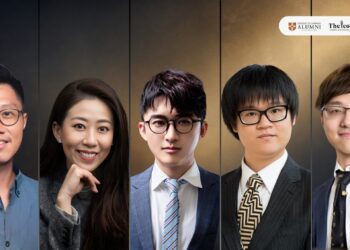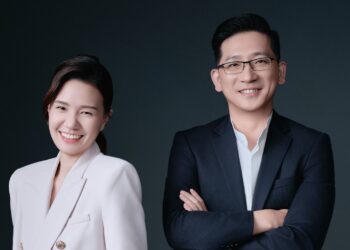

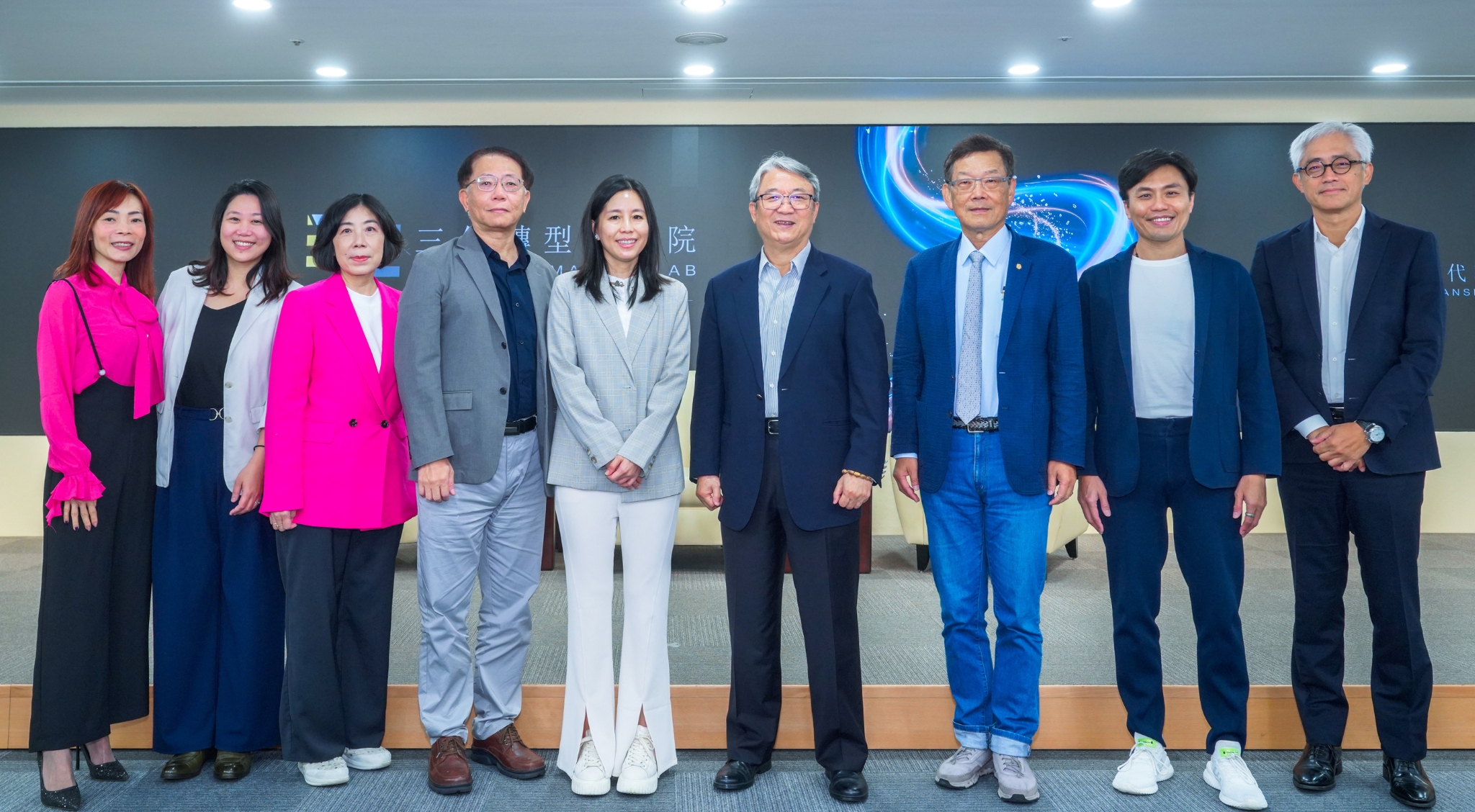
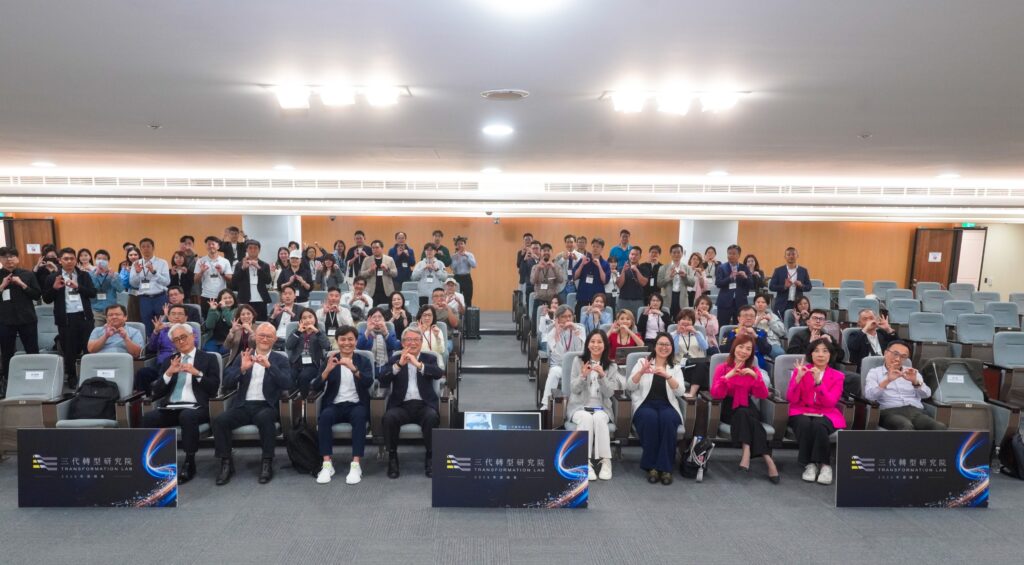
May 15, 2026, the Taiwan Digital Enterprise Alliance (TDEA) held its first annual summit of the Transformation LAB in Taipei. Leaders from technology, retail, manufacturing, consulting, and multinational enterprises gathered to discuss a question that is rapidly changing business logic: as AI begins to reshape the way we work, what leadership capabilities remain irreplaceable?
Bella Wang, CEO of TDEA, structured the summit into six thematic chapters, ranging from leadership vision, talent judgment, industrial structure, growth traps, to critical choices and causal verification. “AI has not reduced the difficulty of management; instead, it forces leaders to rethink their roles. When everyone can access information quickly, the real gap lies in the ability to understand, organize, and make choices based on that information.”
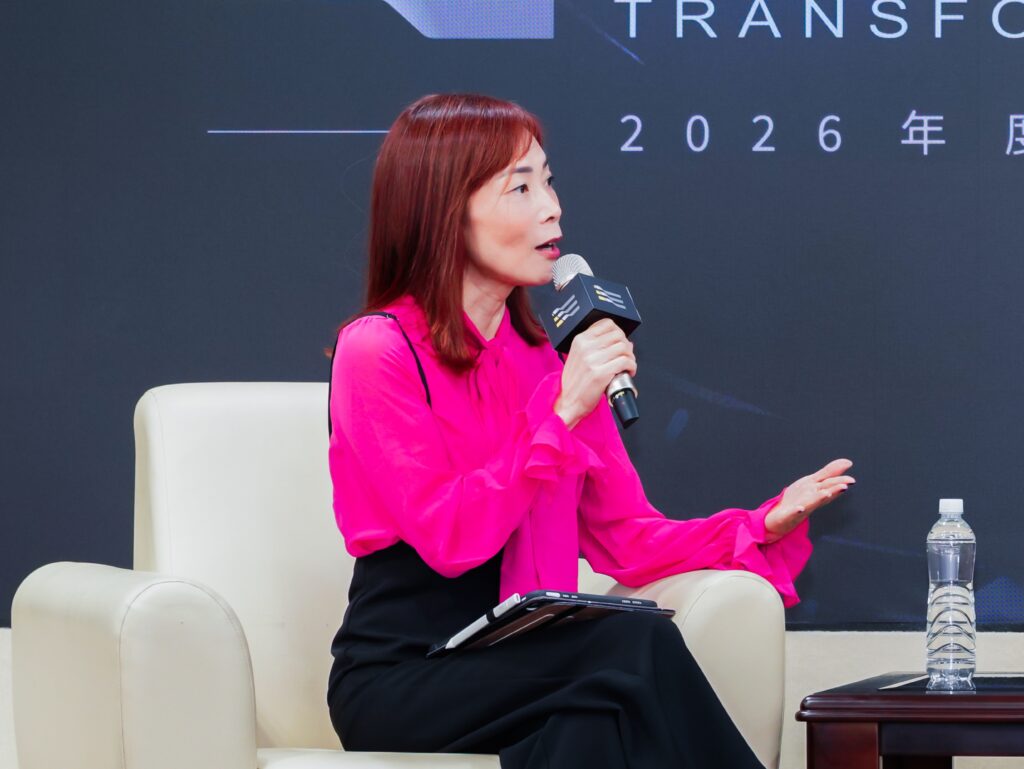
At the opening, Roger Wang, Deputy Dean of the Transformation LAB, posed another thought provoking question to the audience. He observed that AI is rapidly changing how humans acquire knowledge and make judgments. Tasks that once required long term research, analysis, and organization can now be completed in minutes. As the brain becomes increasingly accustomed to relying on tools, leaders face a new challenge: in an era of information explosion and accelerated decision making, what capabilities must humans still bear personally?
“AI constantly creates maps, but the real business environment constantly tears up those maps,” said Roger Wang. The speed of market change is beginning to surpass existing experience. The brain is gradually being “outsourced,” and leaders need to rebuild their own judgment logic and understand what decision making capabilities cannot be delegated to tools.
Time Scale Determines What an Enterprise Can See
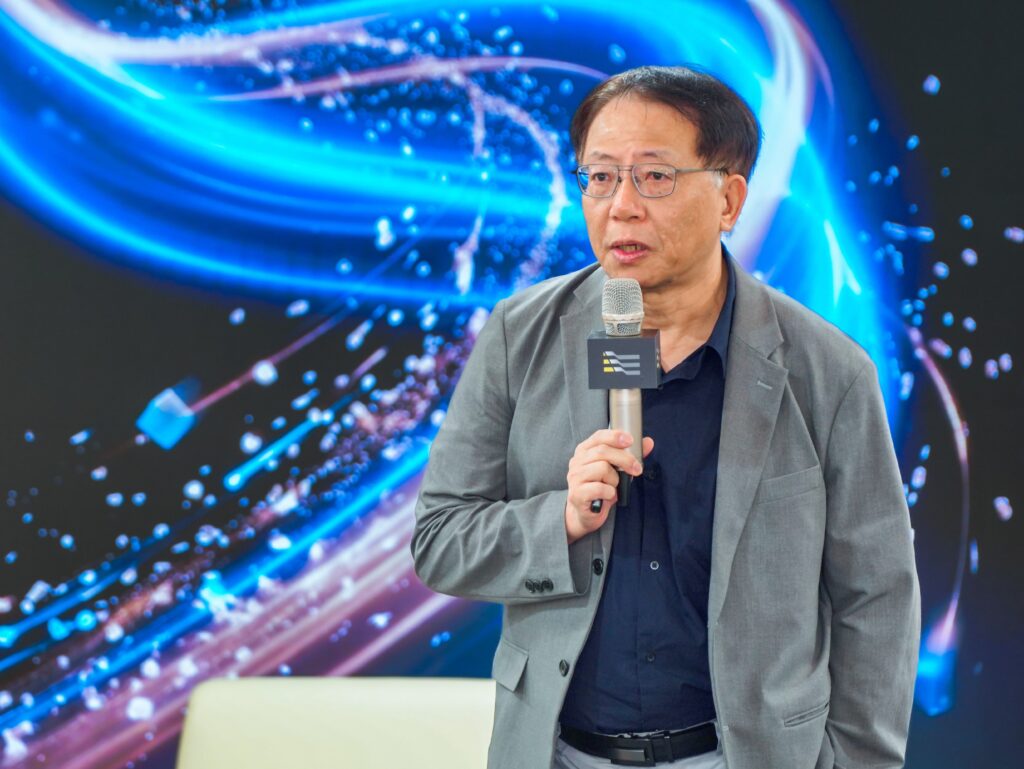
As the first keynote speaker, Ting Fang Lin, Chairman of CMP Group, did not start with AI or technology. Instead, he brought the discussion back to a longer timeline, setting the tone for the first chapter of the summit: “New Leadership Coordinates in a Changing Era.”
In his view, the problems many enterprises face never appear suddenly; they are the result of long term accumulation. Most people see events, few see trends, and even fewer see the structural changes behind trends. “Success is hard to replicate, but failure often repeats itself.” Lin believes that rather than repeatedly studying successful cases, enterprises should learn from failures to understand how organizations gradually lose competitiveness.
Therefore, Lin emphasized that leaders must simultaneously possess a historical perspective, a global perspective, and a social perspective. He believes that many factors affecting the future of enterprises, such as geopolitics, energy transition, and demographic changes, have long existed, but are not always noticed. As market changes accelerate, leaders need to lengthen their time scales to understand what is happening behind the changes.
When discussing the role of the CEO, Lin offered his own observation: “The most important thing for a CEO is not the C, but the E.” In his eyes, the title represents a position, but value creation still comes from execution and judgment. Especially in highly uncertain environments, if enterprises rely solely on past experience, they can easily be pushed along by the new environment.
For Lin, AI can assist with many tasks, but the final choice still rests with humans. “After the initial intention, you need a blueprint to execute.” As the external environment continues to change, what determines whether an enterprise can survive cycles is always how the leader views the future.
An Era Without Standard Answers: Leaders as Explorers
The second chapter, “Judgment Blind Spots in the Division of Labor,” focused more on the leaders themselves: as the environment becomes increasingly complex, how should people work, lead, and make judgments under highly uncertain conditions?
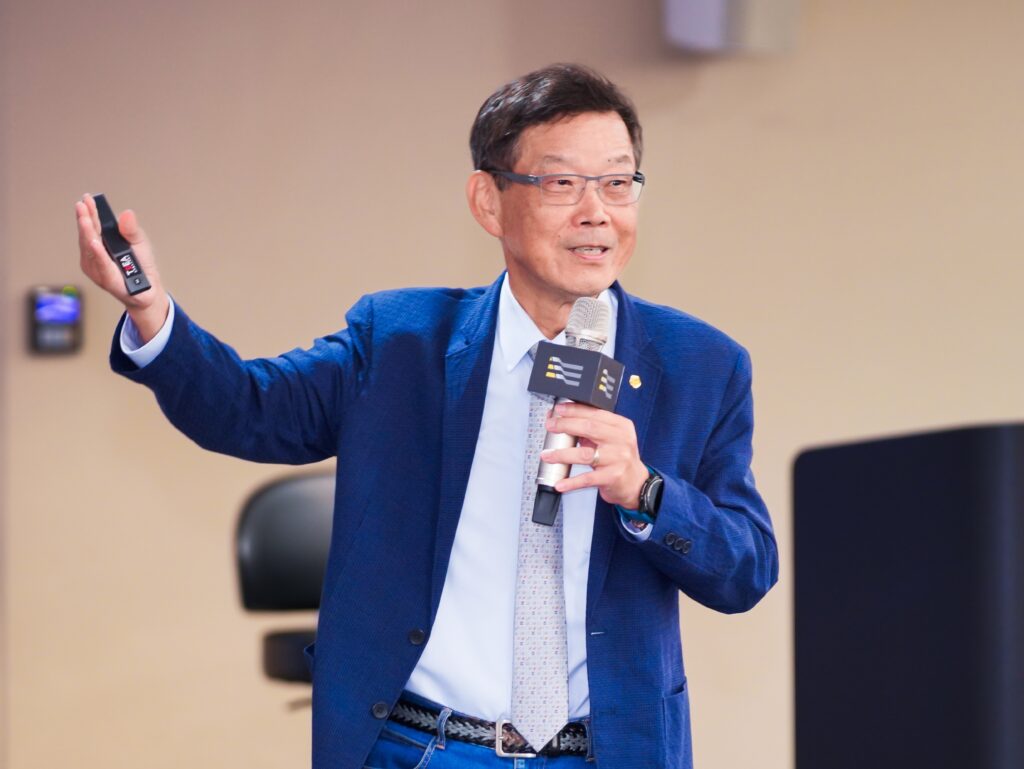
Tina Lin, Managing Director of Google Taiwan, shared that soon after she took on the role, the global pandemic broke out. She attended meetings with managers from over 80 markets and found that each market faced completely different problems. That experience reshaped her understanding of leadership.
“Having a high position does not mean you know the answers,” she said. In the past, leaders were more like planners; today’s leaders are more like explorers. Because market changes are so fast, many things have no precedent and no standard answers. The leader’s most important job is to guide the team to find direction together. “You need to lead the team to think of solutions, not wait for you to tell them the answers.”
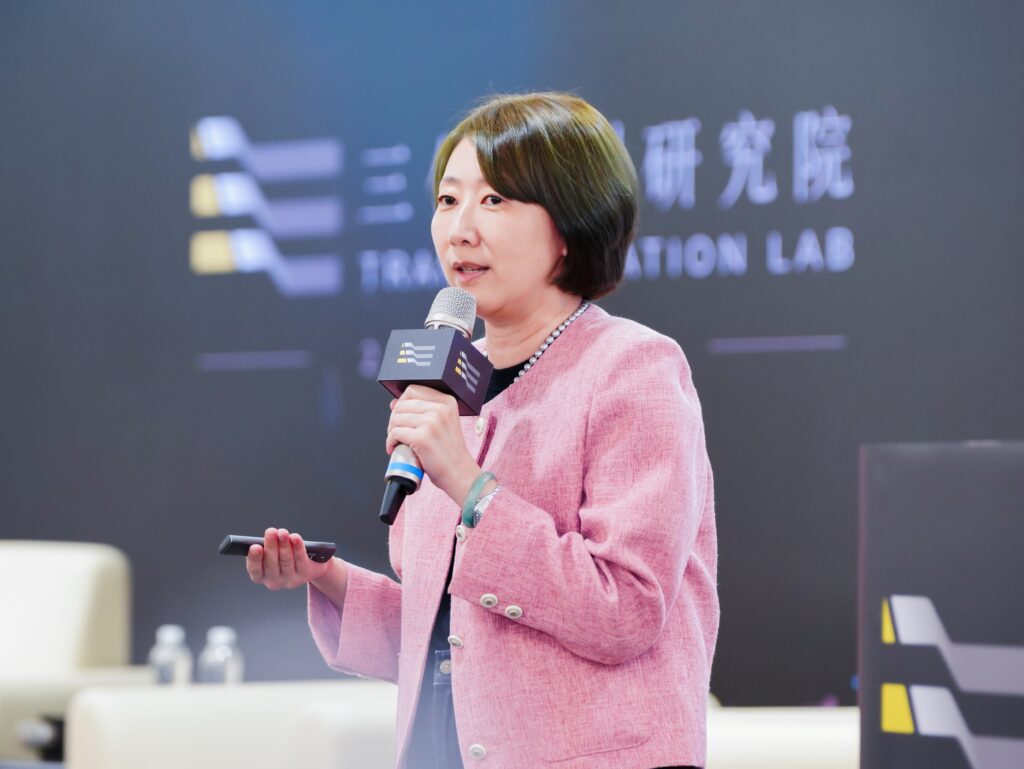
Gwen Wu, CO-founder of ATHENA OD Consulting, has long assisted enterprises in organizational development and talent strategy planning. She observed that many enterprises think they lack talent, but what they truly lack is often organizational capability. “Enterprises should not rush to find star talent; they should first understand what capabilities the organization truly needs and how to build those capabilities through systems, tools, and teamwork.”
Wu also reminded that professional capability does not equal organizational value. “One flaw can overshadow excellence.” A highly capable person who cannot collaborate may not be more valuable than someone who can drive team growth. As AI continues to change work patterns, the ultimate competition among enterprises is often not just about professional knowledge, but about learning speed, adaptability, and whether the team can continuously evolve.
The Biggest Risk for Enterprises Is Continuing to Use Old Answers
By the time many enterprises start facing a crisis, the market has already changed, but most people still believe old methods can continue to work. The third chapter, “Decision Making Challenges Under Structural Shifts,” brought the discussion to another more realistic question: when the world begins to “change the subject,” how should enterprises understand their own position?
Thomas Fann, former President of Ford Lio Ho Motor, believes that very few people can create trends. Most successful enterprises grow because they are willing to act early when changes first appear. “Most of the better performing enterprises are not because they see farther, but because they are willing to lay out plans when changes just begin.” In his view, many enterprises actually see the trends, but they always think they still have time.
Reflecting on Ford’s transformation journey, Fann believes the hardest part was never the strategy itself, but letting go of past successful models. Whether it was the Ford 2000 global integration plan or the sale of Jaguar, Land Rover, Volvo, and Mazda during the financial crisis, all reflect the same principle: “Do not treat your success factors as the reasons you will succeed in the future.” Once market rules start to change, yesterday’s advantages can sometimes become tomorrow’s burdens.
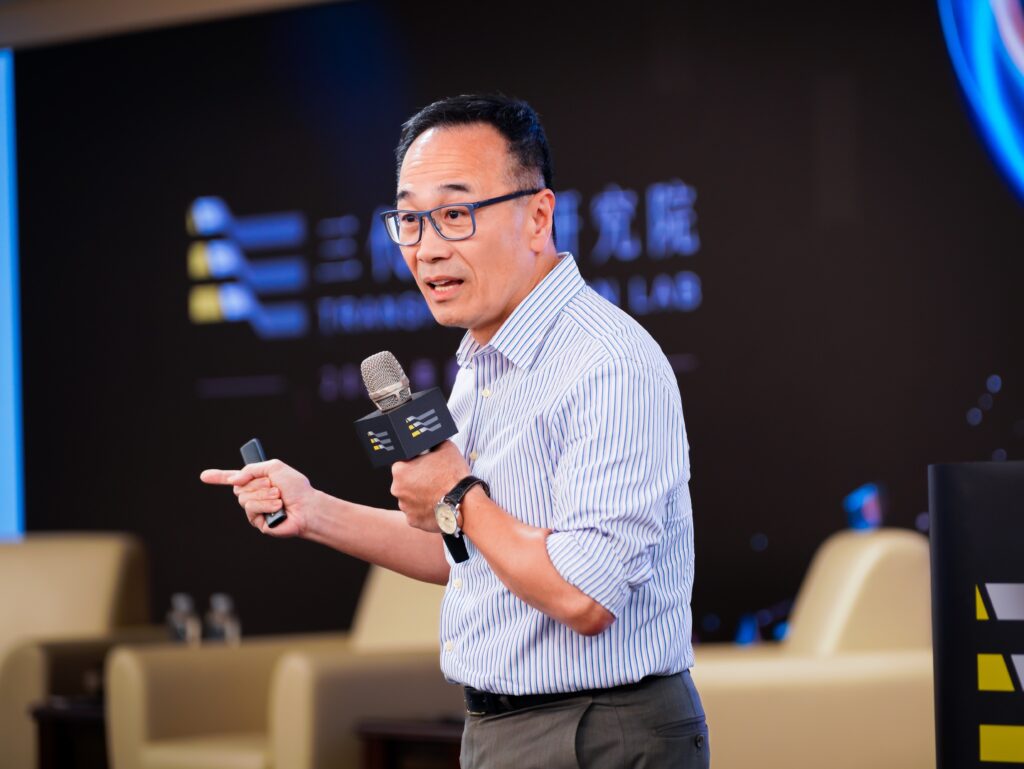
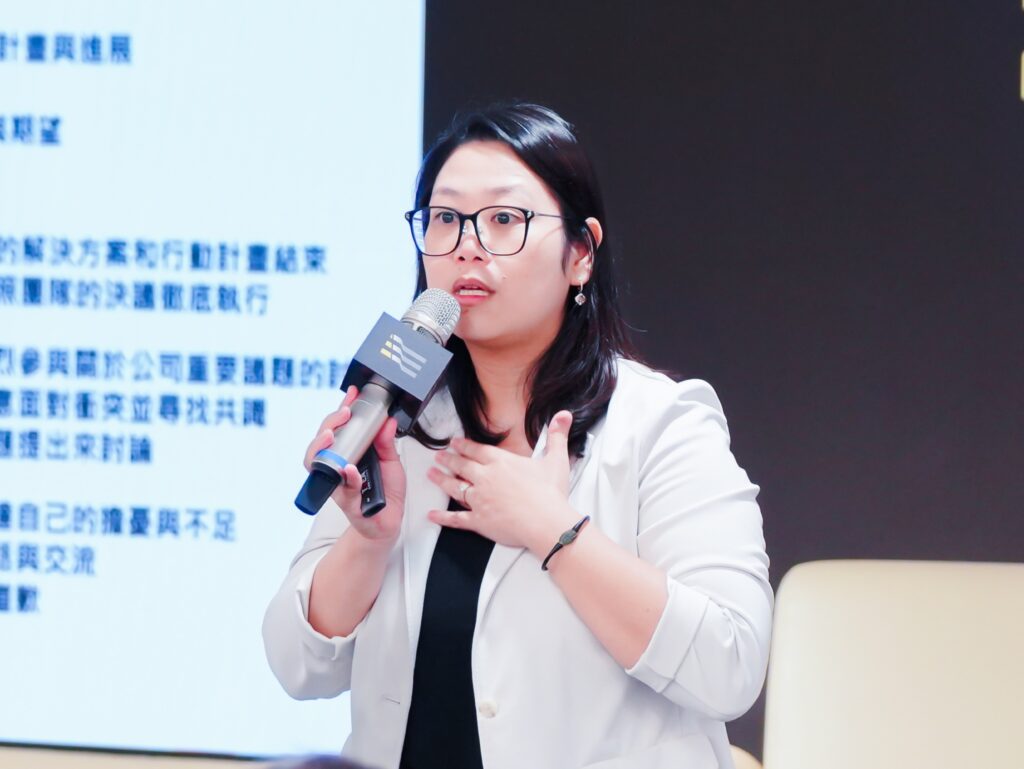
Liza Yen, Chairperson of One For All Public Relations Consultants, observed that many people habitually treat crises as problems, but rarely consider the new opportunities that may emerge behind a crisis. “During the Asian financial crisis, many international PR firms chose to withdraw from the Taiwanese market. Instead, I began looking for new cooperation models. When assisting Chongqing in attracting investment, I realized that what truly limits an enterprise’s development is often not resources, but the perspective on the market. The map has not changed; what has changed is the way you look at the map.”
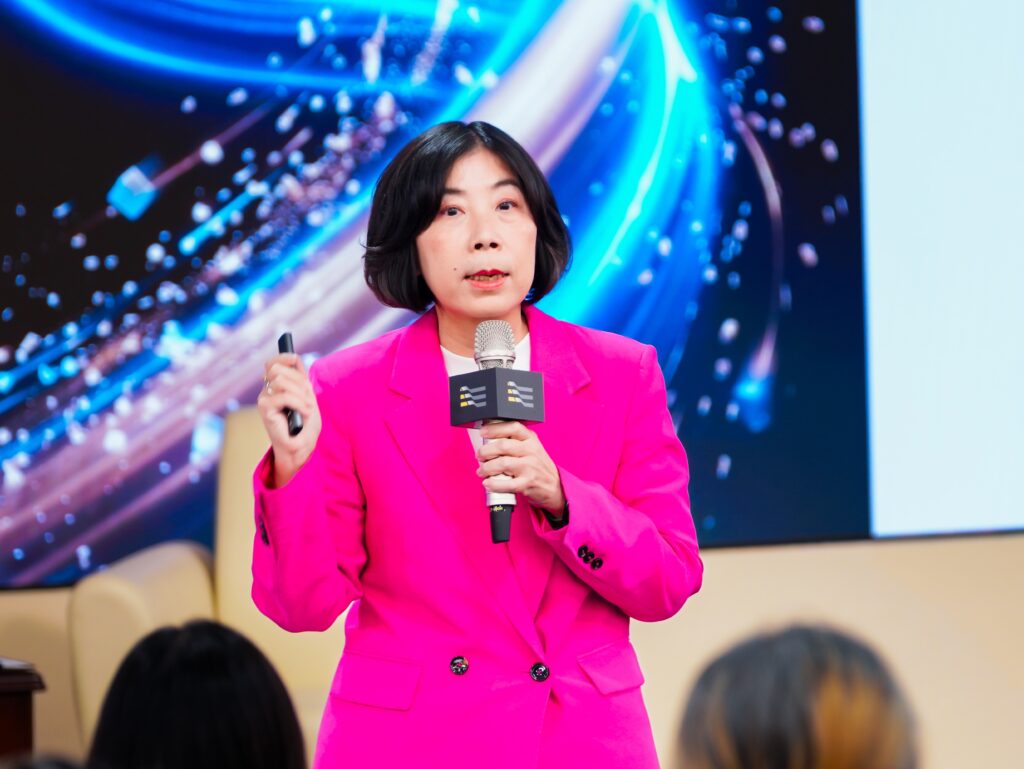
Enterprises Often Lose Their Vigilance at Their Peak
The fourth chapter was titled “Rhythm Judgment During Growth Waves.” Many enterprises begin to lose their vigilance when everything is going well. When performance starts to grow, customers increase, and resources flow in, organizations become increasingly accustomed to past successful models.
Tony Hsieh, General Manager of PIC, opened with a memorable statement: “Success is often the most beautiful mask for failure.” In his eyes, the biggest problem for many enterprises is not that they cannot grow, but that they fail to realize growth itself can bring risks.
Hsieh observed that many enterprises treat growth as a goal, but ignore that when all resources are concentrated on existing successful models, the organization can easily lose its ability to adjust. When the market changes, it becomes harder for the enterprise to turn around. “The trend is real, but the timing is often wrong.” Many enterprises rush into hot markets, ignoring the gap between market maturity speed and their original expectations. For leaders, the difficulty is never acceleration itself, but knowing when to stop and when to move forward. “Growth can come from opportunity, but mastering growth is true skill.”
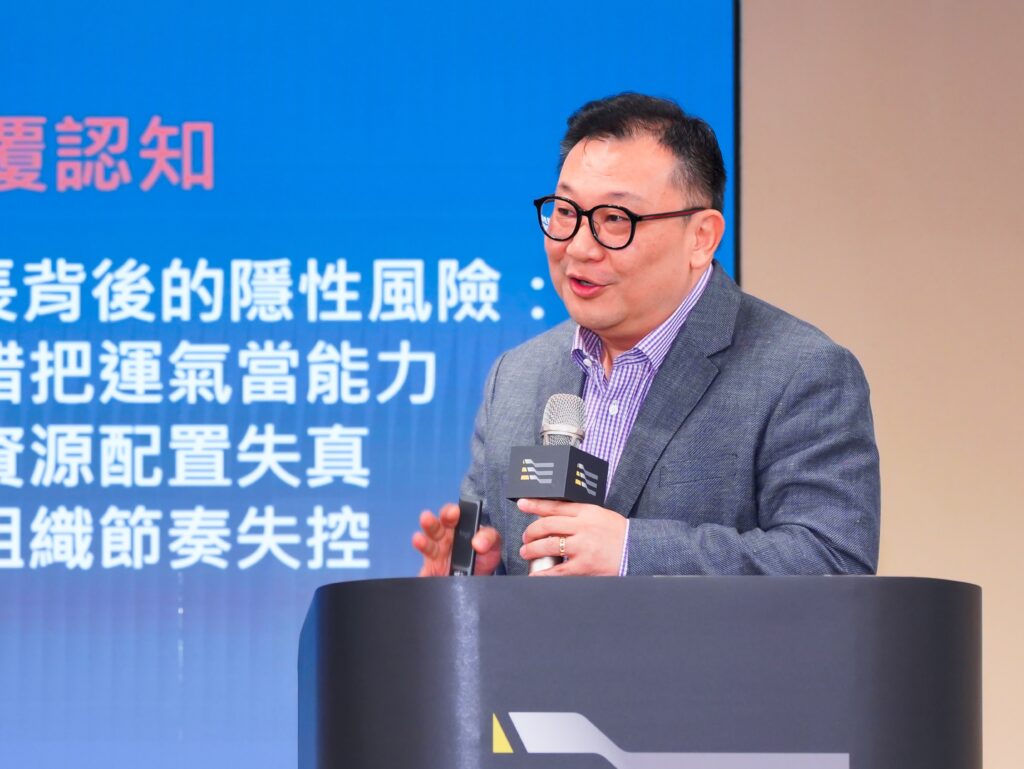
Jay Shen, General Manager of Garmin’s Asia Automotive Business Unit, shared how Garmin, once the global leader in navigation devices, faced a huge impact after the rise of smartphones and Google Maps. “It is easy to tell success stories, but failure stories often come with tears through laughter. What I want to remind you is that the market is changed not by another company, but by user behavior itself.”
If You Have Enough Information, It Is Not a Choice
The fifth chapter, “The Scene of Critical Choices,” reminded that truly difficult decisions often occur when there are no answers. The market is changing, time is running out, there is noise from all sides, and information is always incomplete. For entrepreneurs, such moments are often the loneliest.
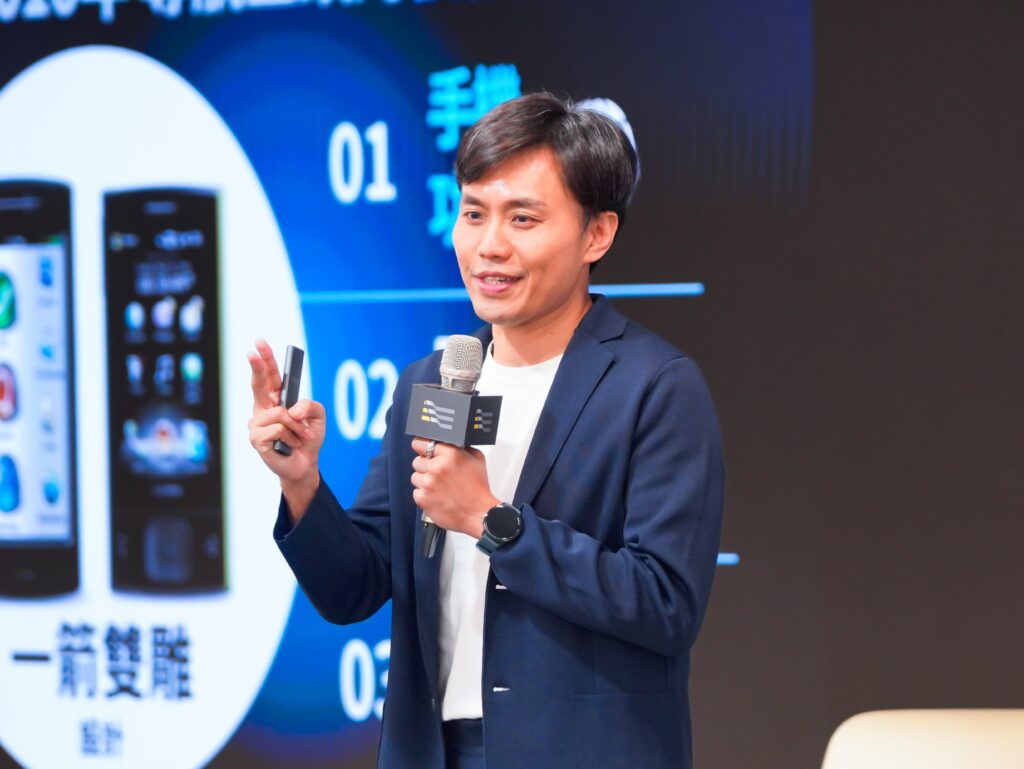
Roger Chen, CEO of LINE Taiwan, believes this was the hardest question of the entire summit, because when reviewing any decision, people are always influenced by the outcome. But at the moment of making the decision, no one knows what will happen in the future. “If you have enough information, it is not a choice.” In his eyes, choices occur precisely when information is insufficient, time is limited, and there are no standard answers.
Using the transformation of LINE TV as an example, he noted that at the time, Taiwan’s OTT market was highly competitive, and most outsiders were pessimistic about continued investment. Still, he decided to push for a local product team and an independent operating model. “Your personality and values will determine your decisions.” Roger Chen believes that what entrepreneurs ultimately rely on is often their own judgment logic and the courage to take responsibility for the outcomes.
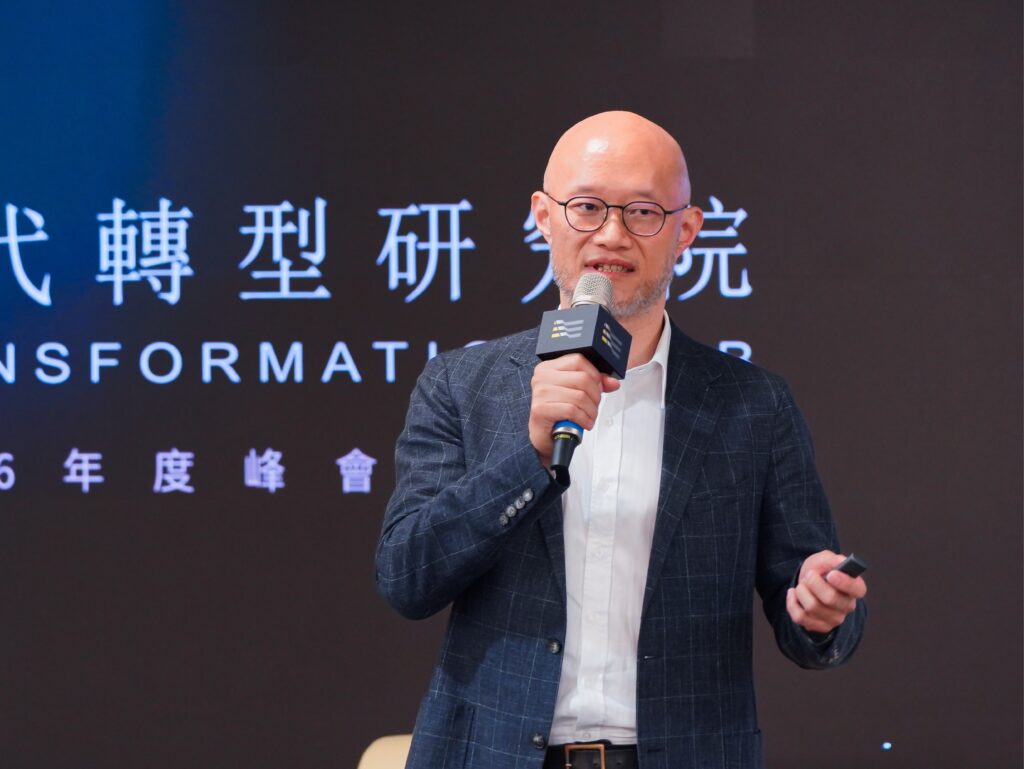
Sean Hu, Chairman of IKKA KY, brought the discussion to another type of decision making scene. He recalled a time during his entrepreneurial journey when his company was on the verge of bankruptcy. Funds were about to run out, and the management team was under immense pressure. From a financial perspective, shutting down might have been the most rational choice, but for an entrepreneur, there is often no way back. During that period, he had to face employees, banks, suppliers, and customers simultaneously, and every decision determined whether the company could survive.
Looking back, Hu admitted that the moments when the market is most enthusiastic are often accompanied by the highest risks. “The best timing is often the most dangerous moment.” From entrepreneurship, survival, fundraising, to eventual acquisition, he deeply understands that business management has no standard answers. Leaders must make choices under pressure and uncertainty and bear the consequences.
All Decisions Ultimately Return to Cause and Effect
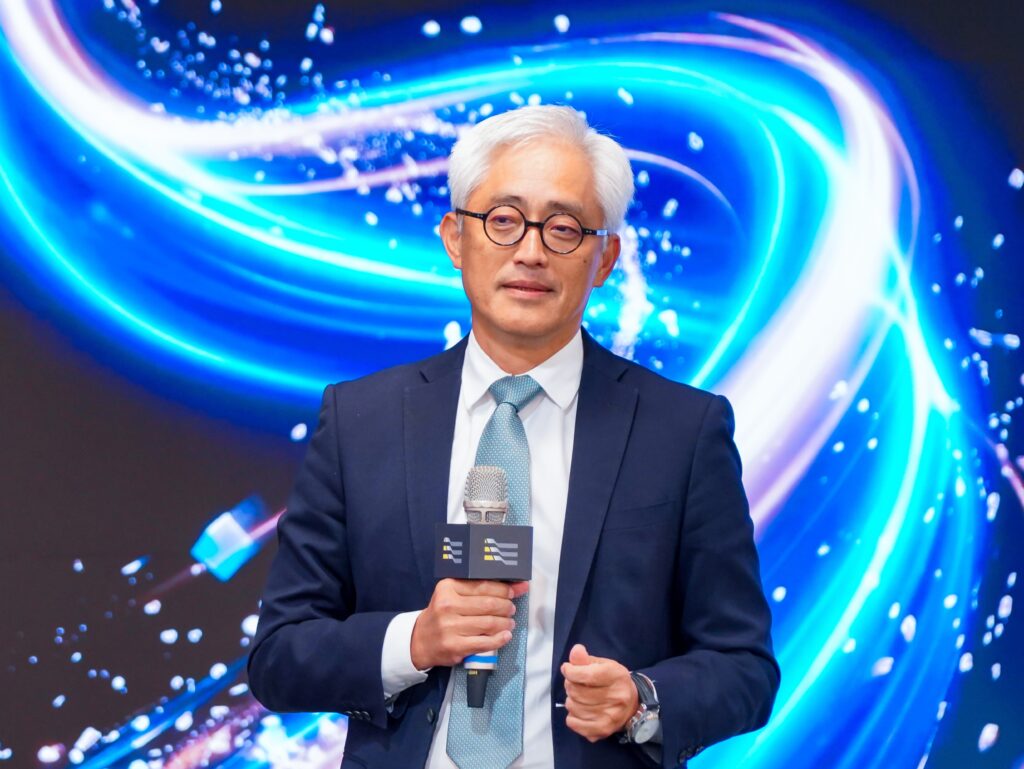
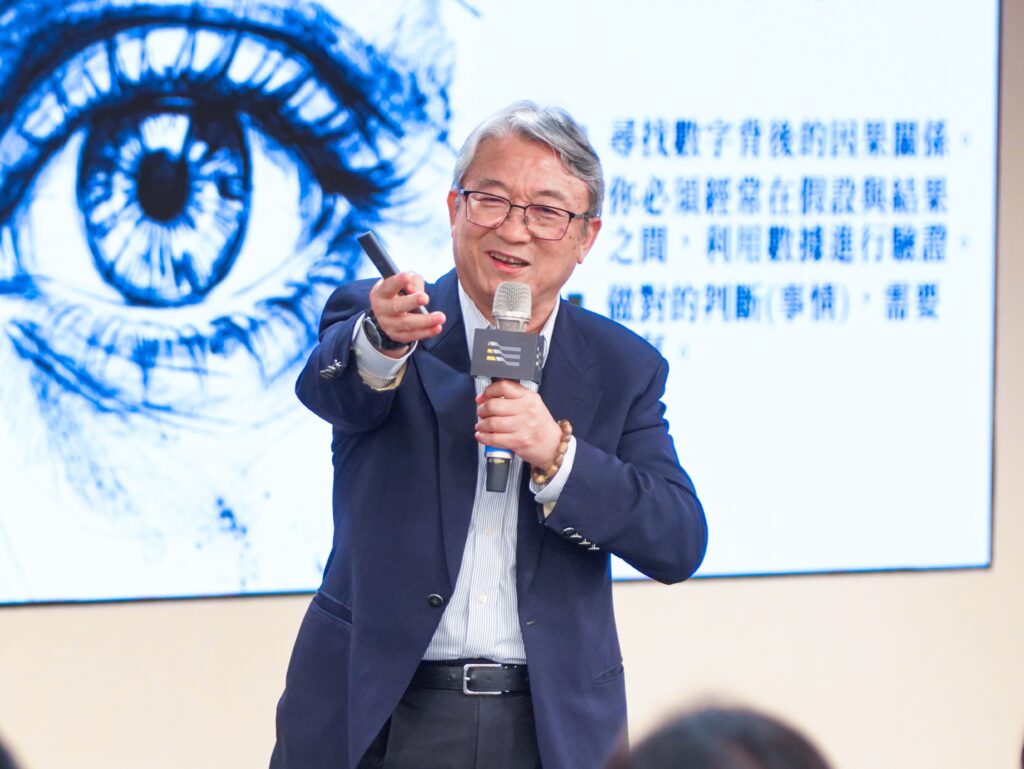
In the sixth chapter, “Taking Action from One’s Position,” the summit’s themes moved from leadership, talent, trends, and growth to the actual decision making scene. James Hsieh, Dean of the Transformation LAB, chose to bring the discussion back to a more fundamental question: “I have always looked for the causal relationships behind phenomena.”
In Hsieh’s view, data is a trace left by results. What is more important is understanding what really happened behind the phenomena. Over the years, he has developed a habit of gradually building market understanding through a cycle of data collection, analysis, hypothesis formation, execution, and verification. “If your hypothesis must be 100 percent certain, then the opportunity is basically not yours.” Hsieh believes that in the real business environment, absolute answers are rare. More often, enterprises must keep moving forward amidst uncertainty.
In his eyes, judgment is also a matter of courage. Many enterprises know where to go, but the cost is too high, so they hesitate to act. For successors, the burden is often not just their own risk, but also the future of their families, enterprises, and employees. Every decision is naturally very heavy. “Zero based thinking is important. The market environment, supply chains, and global order are constantly changing. Enterprises must avoid relying too much on past successes.”
Hsieh also used retail cases to illustrate that many practices and systems persist simply because they have always been that way, and few people rethink whether they still hold value. What many organizations lack is not the ability to innovate, but the ability to re examine the status quo. “A mature leader must constantly return to the starting point to rethink, reconfirm whether the problem still exists, and understand whether the market has changed.”
Bella Wang, CEO of TDEA: The Next Generation of Entrepreneurs Are More Like “Definers”
Bella Wang, CEO of TDEA, pointed out that how people understand, organize, and make judgments based on information was the main theme of the entire summit. In particular, methods that worked in the past cannot be directly applied today. Successors must simultaneously face AI, geopolitics, supply chain restructuring, and global competition.
“The new generation of entrepreneurs are like people starting over, because the market has changed, customers have changed, and competitors have changed. As the entire world reorders itself, enterprises must naturally rethink their own positions.” Wang also reminded that if enterprises remain stuck in past successes, it is difficult for them to enter the next era. Therefore, she prefers to see the new generation of entrepreneurs as “definers”: these people do not just wait for the future to happen; they choose to actively step into change and find new directions.
“Many people discuss what AI will replace, but I care more about what human capabilities cannot be replaced. The entrepreneurs most worthy of anticipation in the next generation may not be those who are best at using tools, but those who, even in the face of the unknown, are still willing to make choices, bear the consequences, and keep moving forward.”
Recommend for you: