
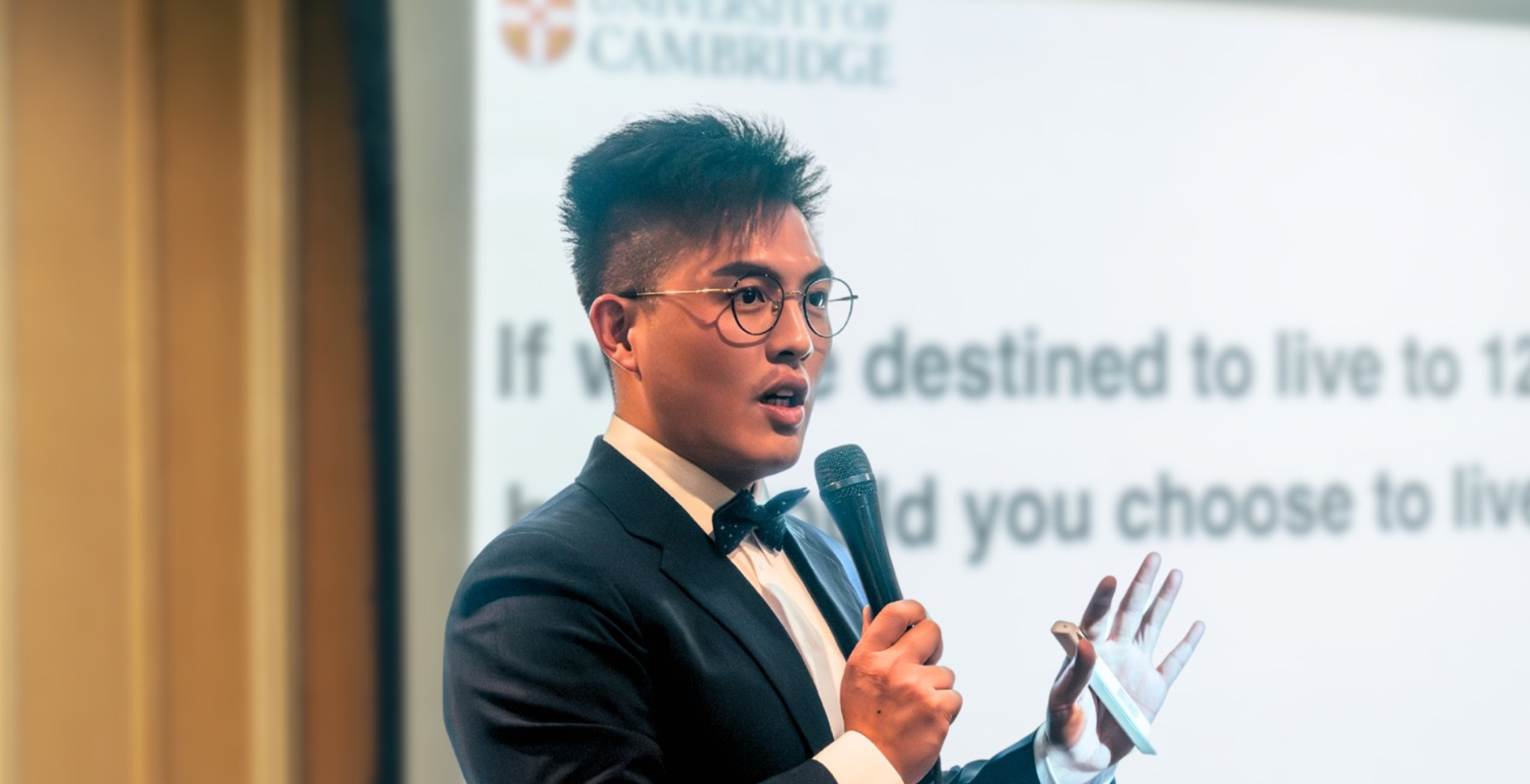
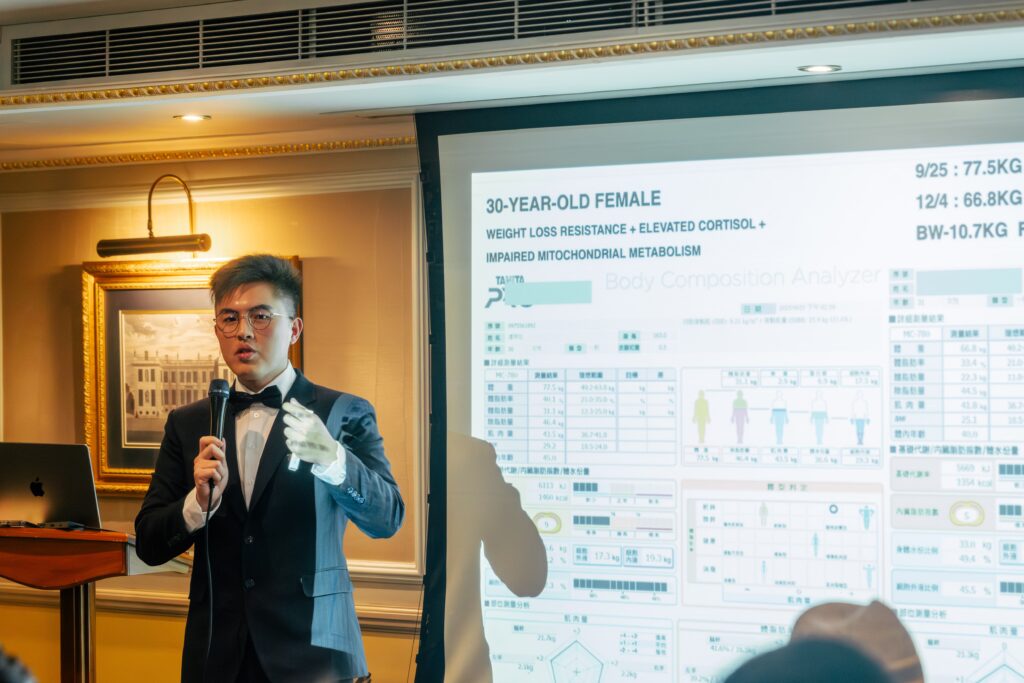
On 2 April 2026, Dr. Wei-Shin Chou, Director of BLOOM Woman’s Wellness Clinic and a specialist in obstetrics, gynaecology, and female balance medicine, was invited to deliver a closed-door address at the Oxford and Cambridge Club in London. Speaking to an audience of international entrepreneurs, along with numerous alumni and scholars from the Universities of Oxford and Cambridge, he shared his insights on preventative medicine trends and female hormone health management in the era of longevity.
Following the presentation, he gave an exclusive interview to The Icons, a British global entrepreneurial media outlet. He discussed his journey from standard obstetrics and gynaecology to establishing a comprehensive female health management model centred on hormone balance, integrating functional, preventative, and nutritional medicine. Over the years, this approach has served a diverse clientele, including entrepreneurs, senior executives, and their families.
“What people should be focusing on now is not ‘I am ill, so I must go to the hospital’, but rather ‘How do I prevent myself from falling ill in the first place?'” This perspective, drawn from years of clinical observation, marks the starting point of his transition from conventional treatment to preventative medicine, longevity management, and female balance medicine.
The Changing Roles of Women Are Rewriting the Direction of Industry Demands
“The Elephant Doctor” Dr. Wei-Shin Chou’s focus on women’s health stems from years of clinical observation. Whether in general medicine wards or later within the field of obstetrics and gynaecology, he frequently noticed that those accompanying family members to medical appointments were predominantly women. They are the primary carers and often the first to notice changes in a family member’s health. From managing parents’ chronic conditions to assessing familial health risks, many begin to contemplate the same fundamental question during their caregiving journey: if illness is inevitable, is there a way to prepare and intervene earlier?
These inquiries reflect a profound shift in women’s health awareness. Driven by widespread education, career progression, and evolving family structures, a woman’s life is no longer defined by a single role. “In the past, many believed that a woman’s life revolved solely around raising children,” Dr. Chou notes. “But times have changed. Today, raising a family has become one of life’s optional pathways.”
Dr. Chou stresses that as life offers more possibilities, the importance of health becomes increasingly amplified. Growing numbers of people are beginning to pay attention to subtle warning signs that may not yet constitute a clinical illness, such as a persistent sense of fatigue or the knock-on effects of deteriorating sleep quality.
“If we can channel our anxiety into the right areas and view it through the correct lens, it can be transformed into an invaluable capacity for early detection.”
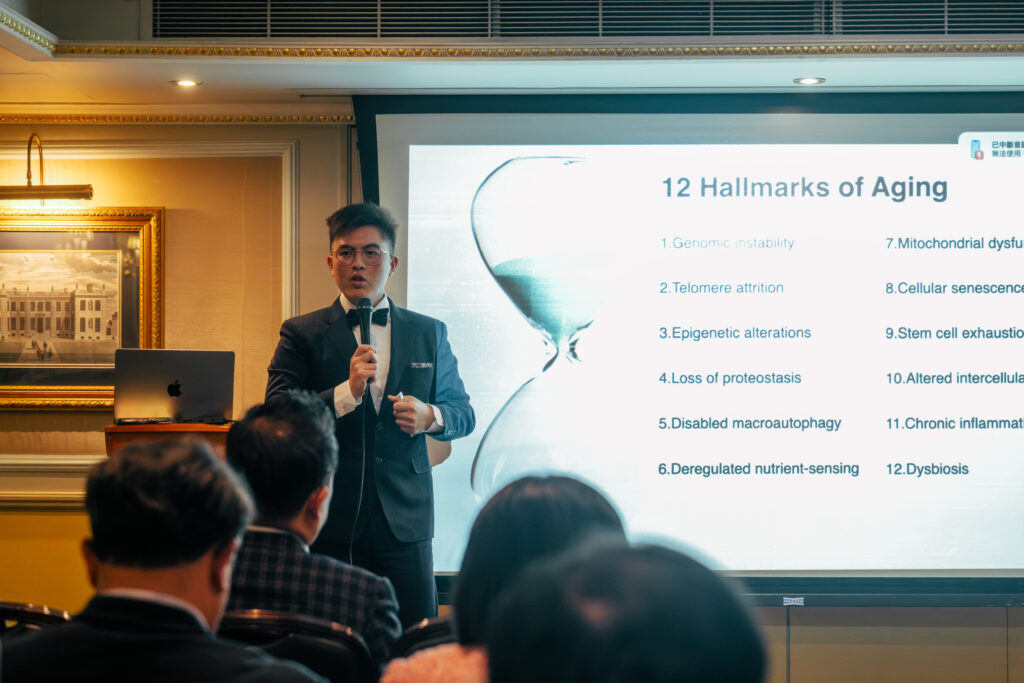
From Reproductive Medicine to Hormone Balance Management: Exploring the New Frontiers of Women’s Healthcare
Obstetrics and gynaecology have traditionally been intertwined with pregnancy, childbirth, and reproductive medicine. When Dr. Wei-Shin Chou entered the field, he originally intended to specialise in infertility treatments and IVF (In Vitro Fertilisation). For a gynaecologist, hormones are the essential language for understanding the female body; from ovulation cycles to conception rates, many critical processes depend entirely on the functioning of the endocrine system.
However, as his clinical experience grew, the needs he encountered began to extend far beyond fertility alone. An increasing number of patients came to his clinic seeking advice on chronic sleep issues, weight management difficulties, the discomforts of the menopause, or the creeping fatigue brought on by a high-pressure lifestyle. While these problems appeared unrelated on the surface, they frequently pointed to similar underlying signs of bodily imbalance.
“I eventually came to realise that female hormones do not have to be used solely for IVF,” Dr. Chou explains. In his view, hormones affect much more than just reproductive function; they profoundly influence a person’s overall quality of life. Whether someone wakes up feeling energised, maintains emotional stability, or keeps their body functioning at an ideal pace, everything is closely linked to the hormone system. As the medical perspective expands to encompass quality of life, the scope of the conversation around women’s healthcare broadens. This understanding gradually led him to combine his gynaecological expertise with preventative, functional, and nutritional medicine, developing an integrated approach to female health management that begins with hormone assessment.
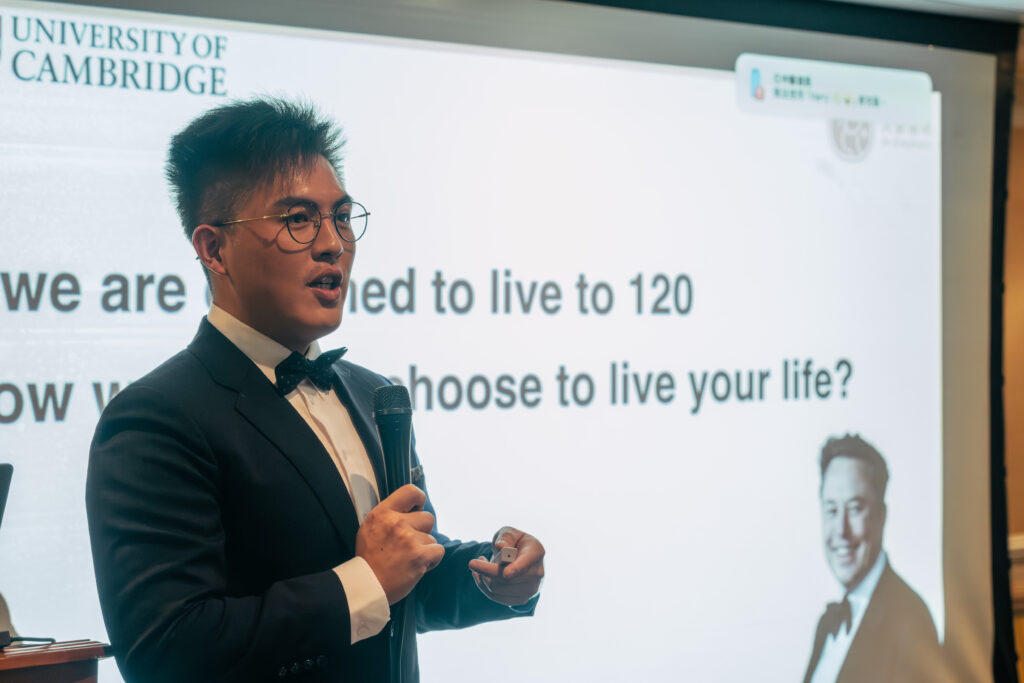
The Freedom of Choice Is Fundamentally Built upon the State of One’s Physical Health
When discussing health, many people think of illness, weight, or the data on a medical report. In Dr. Wei-Shin Chou’s view, however, what health truly impacts is a person’s daily decision-making capacity: “Without a healthy body, your choices can sometimes become short-term fixes rather than long-term strategic decisions.”
He has observed that when an individual is in a chronic state of fatigue, sleep deprivation, or bodily imbalance, their attention is invariably constrained to the immediate present. As work pressures, family responsibilities, and daily chores pile up, simply coping with day-to-day challenges consumes most of their energy, making it incredibly difficult to pause and consider where they want their lives to be in five or ten years.
“Conversely, once physical well-being improves, the situation is often completely transformed. When a person’s sleep stabilises, and their mental clarity sharpens, they begin to find the mental bandwidth to plan for the future, becoming far more willing to make choices that yield long-term benefits. This is precisely why so many entrepreneurs invest in health management; they need to maintain the stamina and focus required to sustain critical decision-making. Equally, it allows women to find a more composed and manageable pace as they balance family, career, and personal growth.”

Dr. Wei-Shin Chou: Health Has Never Just Impacted the Individual Alone
Among Dr. Wei-Shin Chou’s clientele, a substantial proportion consists of entrepreneurs, senior executives, and the female family members of business leaders. The reason is simple: this demographic tends to recognise the critical importance of health far earlier than most.
“This group usually possesses much stronger motivation,” he observes. He notes that many business owners approach health management with a mindset akin to running a company. Just as a business requires long-term planning and sustainable growth, the physical well-being of the decision-maker naturally becomes a vital asset. Health issues never affect just an individual’s personal life; they can have a knock-on effect on team management, corporate operations, and family arrangements.
Through his engagement with the families of many corporate leaders, Dr. Chou has also found that women are frequently the most overlooked, yet pivotal, figures in the household. They care for children, look after elderly relatives, and balance professional responsibilities with domestic duties, often serving as the central stabilising force for the family’s emotional well-being and relationships.
“If the mother in a household is struggling emotionally, the atmosphere of the entire home is invariably affected.”
Dr. Chou points out that when a woman suffers from chronic fatigue, sleep deprivation, or hormonal imbalance, the impact is rarely confined to her alone. Conversely, when she enjoys stable emotions, sound sleep, and abundant energy, this positive state naturally extends to her family and surrounding social circle:
“I am not just helping a single individual; I am supporting the entire extended family behind them, and potentially the operations of an entire company.”
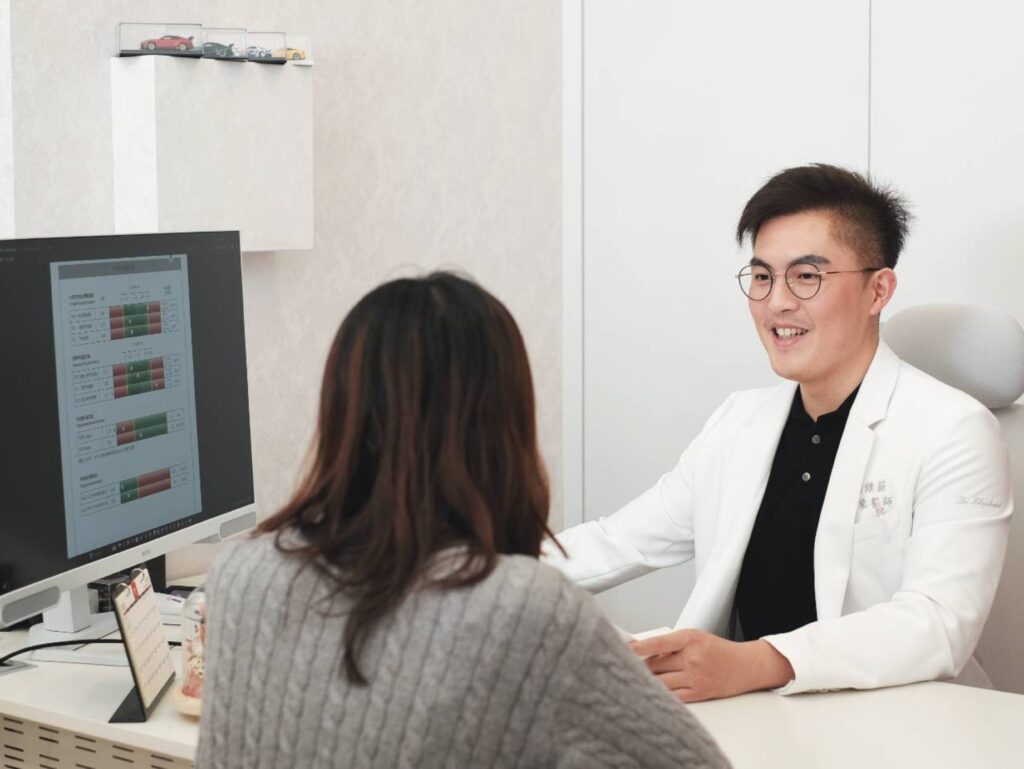
Environmental Hormones: The Invisible Health Risks in the Era of Longevity
When discussing future health trends, Dr. Wei-Shin Chou highlighted an issue that has gained increasing prominence in recent years: endocrine disruptors, often referred to as environmental hormones. From plastic containers and nail care products to various chemicals encountered in daily life, many seemingly insignificant lifestyle habits can disrupt the normal functioning of the human endocrine system over the long term.
“The greatest issue with endocrine disruptors is that their impact is invisible in the short term, which leads people to believe they don’t exist, or even that they are unimportant,” Dr. Chou points out. He notes that as phenomena such as declining sperm quality in men, low testosterone levels, rising infertility, and a continuous drop in birth rates emerge, there are often numerous environmental factors behind them that deserve close attention. These shifts may not cause a noticeable impact overnight, but they could gradually manifest in future demographic structures, family patterns, and overall public health trends.
He has also observed that women’s emphasis on health management is rising rapidly. Growing numbers of people are focusing on hormone balance, sleep quality, metabolic health, and anti-ageing management, seeking to maintain bodily stability through earlier intervention.

Reflections on Modern Medical Advancements: Shifting from a Treatment Mindset to Longevity and Wellness Planning
Dr. Wei-Shin Chou’s invited address at the Oxford and Cambridge Club in London provided an opportunity for deep dialogue with scholars and entrepreneurs from various nations. He noticed that while understandings of health management differ across regions, a clear common trend is emerging: an increasing number of people are viewing health as a core component of long-term planning, rather than an issue to be addressed only after falling ill.
“In the past, people often adopted a reactive approach, solving a health problem only when it arose. Today, however, many mindsets are shifting,” Dr. Chou notes. He points out that while Taiwan possesses comprehensive and convenient medical resources, a remarkable advantage, this convenience has accustomed many to seeking assistance only after physical complications develop.
In contrast, during his time in the UK, he observed that many in the West dedicate considerable time and effort to exercise, nutrition, and daily wellness. Even in the absence of clinical illness, they proactively track their health metrics and integrate preventative concepts into their daily lives. This proactive stance offers valuable food for thought for regions in Asia that pride themselves primarily on advanced medical treatment capabilities.
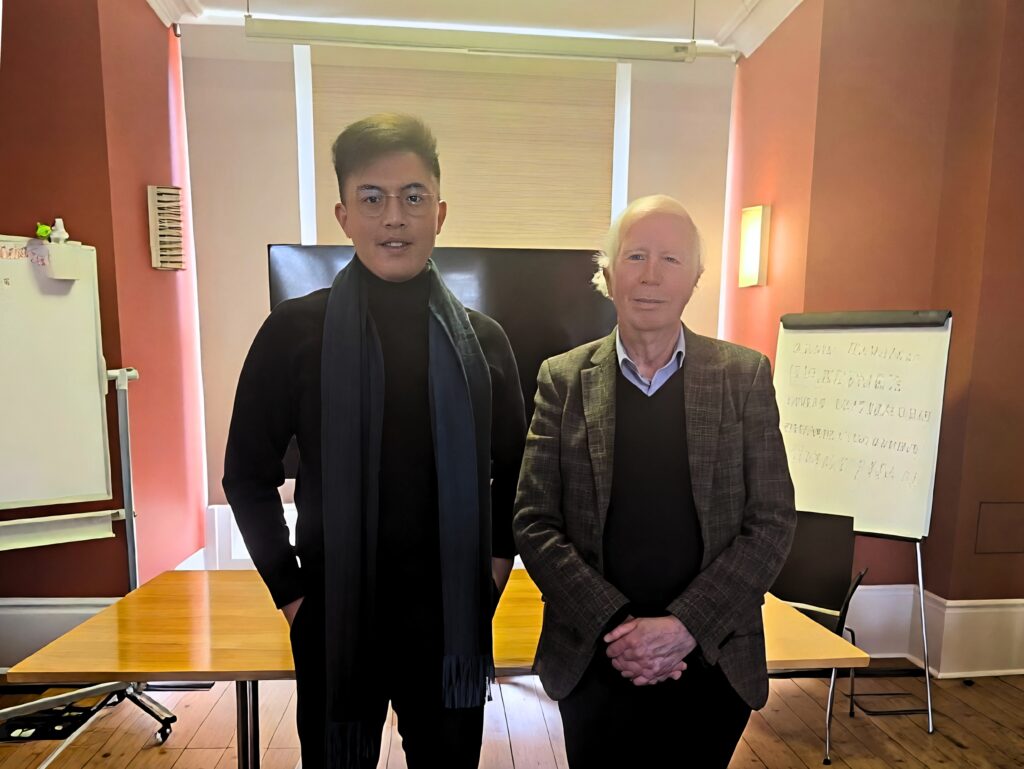
“With the onset of an ageing society, alongside the continuous rise in chronic conditions and escalating pressure on healthcare resources, the importance of preventative medicine is increasingly coming to the fore. The truly ideal healthcare model is not reactive, dealing with issues only after they arise; instead, through earlier precision testing, more comprehensive health planning, and sound lifestyle habits, it empowers people to prepare and intervene long before an illness can form.”
The Future of Female Balance Medicine: Moving from a Trend into Everyone’s Daily Life
Dr. Wei-Shin Chou believes that over the next five to ten years, the women’s health market will continue to grow. Driven by increasing life expectancy, rising self-awareness, and diversifying lifestyles, topics such as sleep, mood, hormones, metabolism, and overall quality of life are gradually becoming integral to more people’s health planning.
“I believe that in the future, female balance medicine will become an everyday norm for this generation,” Dr. Chou states. In his vision, female balance medicine is a continuous model of health management that accompanies women through every milestone of their lives. From managing stress and body composition in youth to navigating hormonal shifts, menopausal care, and long-term wellness planning in later years, each stage presents distinct challenges that require a tailored support system.
“I hope that women of the future can find a place in both their careers and families that allows them to achieve true physical, mental, and spiritual fulfilment.”
Dr. Chou reminds us that in the era of longevity, expectations have shifted beyond merely extending lifespan; people desire to retain their vitality, passion, and autonomy across all stages of life. The female balance medicine he champions aims to deliver exactly that, utilising earlier health management and a more holistic approach to care to help women maintain optimal physical and mental well-being, enabling them to embrace every life transition with confidence and composure.
“The true value of health is that it empowers you, at every single stage of life, to choose exactly who you want to be.”
Recommend for more: