

The history of currency is a mirror of humanity’s economic and societal evolution. From early bartering systems to shells, metal coins, paper money, and now digital payments, each transformation has stemmed from technological advancement and changing societal needs. As the world enters the digital age, technologies such as blockchain, artificial intelligence, and digital currencies are upending traditional financial systems and reshaping the global economic order. In this wave of transformation, the integration of academia and industry is key, fintech is no longer just an academic field of study but a central issue influencing businesses, policy, and society.
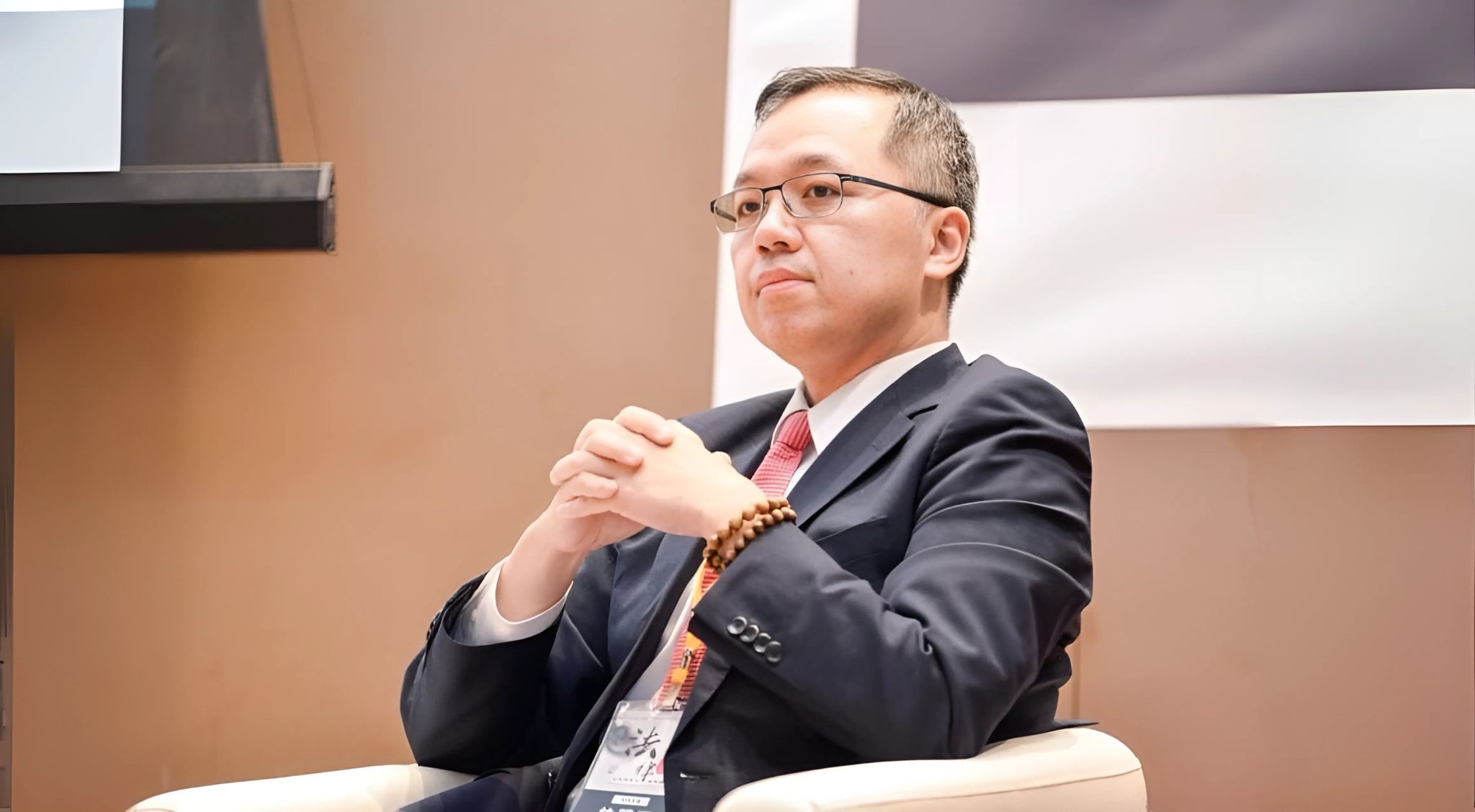
In Taiwan, Ryan Lin stands at the forefront of this fintech revolution. A scholar and a practitioner, Lin bridges law, finance, and technology. He currently serves as Associate Professor and Director of the Department of Financial Technology Applications at Ming Chuan University, and sits on the boards of the Consumers’ Foundation and the Financial Ombudsman Institution in Taiwan. For years, he has been advancing Taiwan’s financial regulatory policies, blockchain applications, and ESG finance, laying the groundwork for the future of fintech.
“Fintech is not merely a technological innovation.It is a reinvention of systems and trust mechanisms,” says Lin. He believes that the evolution of currency is deeply tied to economic development, and the rise of blockchain, AI, and digital finance is redefining the global financial landscape. Taiwan, he argues, must take a more active role in this transformation. In an interview with《The Icons》, Lin emphasized that the true value of fintech lies not in technology itself, but in how it reshapes people’s understanding of value, transactions, and trust, ultimately forming new economic structures and societal norms.
“Finance is, at its core, about trust. Technology enhances that trust through transparency and efficiency. In the future, fintech will not only serve markets, it will also shape global governance, environmental sustainability, and social equity. It will be a driving force for the world’s progress.”
From Law to Fintech: A Cross-Disciplinary Explorer
Ryan Lin’s academic journey bridges law, finance, and technology, a rare and powerful combination that allows him to precisely navigate the complex intersections of regulation, industry needs, and emerging technologies. His research not only focuses on the evolution of financial regulations but also examines how disruptive innovations are reshaping the operations of traditional financial systems, creating both new opportunities and unprecedented challenges. This unique interdisciplinary expertise has positioned him as a key driver in Taiwan’s financial technology policy and regulatory development.
In 2018, Lin led the drafting of Taiwan’s “Self-Regulatory Agreement for Virtual Currency Exchanges.” At a time when global consensus on digital assets was still lacking, his work emphasized consumer protection and helped establish a transparent, secure, and regulation-aligned trading framework. This marked a major milestone in Taiwan’s fintech regulatory history. The bottom-up supervision model he helped develop for virtual assets also laid the groundwork for managing future technologies such as AI and quantum computing, providing both structure and flexibility. It increased market trust and enabled Taiwan to participate in global digital finance discourse with credibility and professionalism.
“A scholar and educator’s responsibility is not just to conduct theoretical research, but to ensure knowledge creates real impact in society,” says Lin. He believes that while the law should serve as a safeguard, it must evolve with technological advancements. Otherwise, regulations risk becoming obstacles to innovation rather than enablers. Recognizing the limitations of traditional supervision in fast-moving digital markets, he actively contributes to policy design and champions issues such as green finance, ESG investment, and digital currency regulation, seeking a harmonious balance between innovation and governance.
Beyond policy, Lin’s influence extends deeply into education. He is committed to cultivating fintech-ready talent through immersive, market-aligned learning. Under his leadership at Ming Chuan University, students are equipped not only with academic knowledge of blockchain, AI applications, and financial regulation but also gain real-world experience through collaborative projects with financial institutions. His mission is to close the gap between academic training and industry needs, ensuring students graduate with practical, job-ready skills.
This hands-on approach has made his students highly competitive upon entering the workforce and has turned Taiwan’s fintech education model into a rising standard in Asia. Lin’s work demonstrates that true innovation is not only about technological advancement, it’s about aligning expertise, systems, and values to build a more inclusive, transparent, and sustainable financial future.
A Practitioner of FinTech: Driving Global Impact
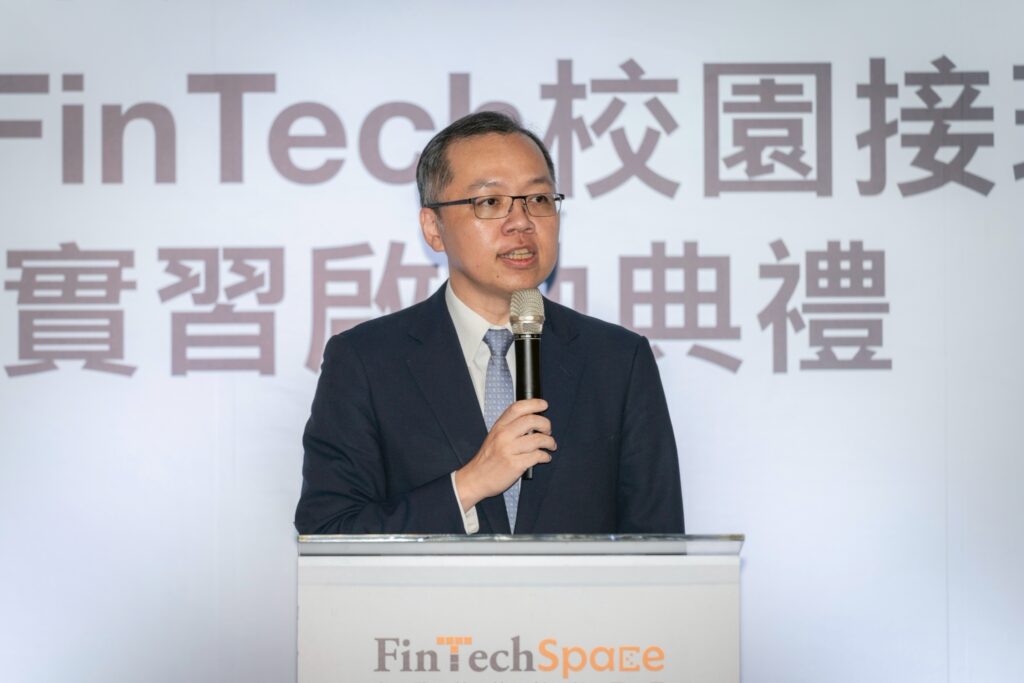
Today’s financial markets have entered a pivotal era of digital transformation, where tech-driven innovation is redefining the financial ecosystem. Technologies such as blockchain, artificial intelligence (AI), digital currencies, and ESG investments are at the forefront of global attention. Regulatory bodies, corporations, and academia around the world are reevaluating their strategies to adapt to this rapidly evolving landscape. In this context, Ryan Lin, Director and Associate Professor of the Department of Financial Technology at Ming Chuan University, is leading Taiwan’s participation in the global FinTech movement, not only through academic research but also via policy development, industry collaboration, and international engagement.
Professor Lin strongly advocates for integrating academia with industry. He believes that universities must go beyond theory and evolve alongside market trends. Under his leadership, students engage directly with industry players during their studies, preparing them with real-world skills. This practice-oriented model has earned Taiwan greater visibility in the international FinTech talent arena. Many of his students now serve as key drivers in the field, contributing to the advancement of tech-based finance.
Beyond education, Professor Lin is deeply invested in exploring how FinTech can accelerate sustainable development. He sees technology not merely as a tool for capital gain but as a mechanism to address global challenges. He has conducted extensive research on the applications of blockchain in carbon trading, green finance, and ESG investments, while closely monitoring relevant policy developments worldwide.
Looking ahead, he aspires to participate in global platforms such as COP30 to collaborate with international experts on how FinTech can drive impact in sustainability, carbon markets, and environmental finance regulation. He stresses that this is not only a matter of national policy but also a call for corporate accountability and long-term financial stability.
“The future of finance is not just about the movement of money, but about the exchange of data and trust,” Lin asserts.
He believes blockchain’s decentralisation can enhance market transparency, while AI strengthens risk management and decision-making. Together, these technologies will transform financial markets into engines of global sustainability and social equity.
With a commitment to innovation, regulatory foresight, and global cooperation, Ryan Lin envisions a more equitable, efficient, and sustainable financial ecosystem, one where FinTech is not only a force for economic growth, but also a catalyst for societal progress.
Building a World-Class FinTech Ecosystem
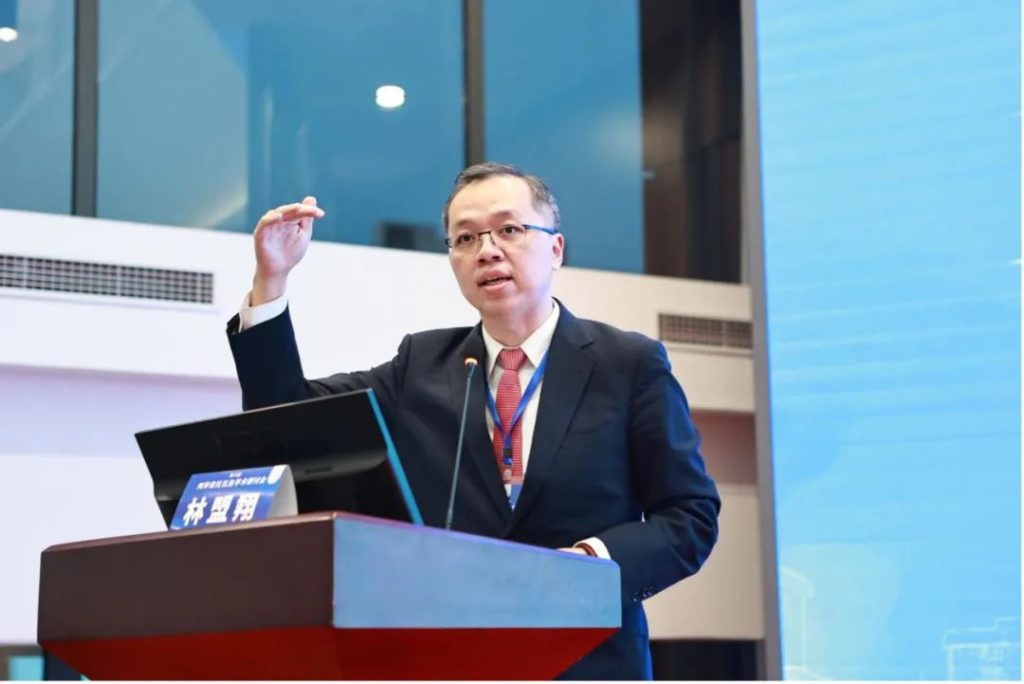
“Taiwan possesses advantages in blockchain technology and financial regulation, and should actively participate in the global market to enhance its international influence,” emphasised Ryan Lin. He believes that while Taiwan has already established a world-leading position in technological industries, particularly semiconductors. There remains substantial room to grow in the global FinTech arena. As global financial systems advance toward digitisation, decentralisation, and intelligence, Taiwan must develop a more robust regulatory framework to attract international enterprises and capital, thereby increasing its value and voice within the FinTech value chain.
He pointed out that the evolution of FinTech is moving toward greater efficiency, transparency, and sustainability, driven by breakthroughs in three major areas. First, the rise of decentralised finance (DeFi) and Web 3.0 is reshaping the traditional role of banks and financial institutions. With smart contracts and blockchain technology, capital flows can become autonomous and disintermediated, and transaction transparency significantly improved, leading to more open financial markets. However, this shift presents new challenges for regulators, ensuring market stability and preventing financial crime while maintaining room for innovation will be a critical issue for governments worldwide.
Second, the deepening of ESG and green finance is transforming the core value of financial markets from mere profitability to emphasising corporate sustainability and social responsibility. Lin argues that financial institutions and regulators should leverage blockchain technology to enforce carbon trading, environmental audits, and accountability, establishing more transparent and traceable standards. This would ensure that capital flows toward projects and companies with a genuinely positive environmental and social impact. He believes that FinTech should not only drive economic growth but also serve as a powerful tool for advancing global sustainable development.
Third, the integration of AI and big data is revolutionising how financial markets operate. AI-driven risk assessments and decision-making mechanisms enhance fraud detection, increase market transparency, and support investors and enterprises in making more informed decisions. However, such advancements come with concerns around data privacy and ethical risks. Lin stresses the need for financial institutions to balance efficiency with regulation, ensuring that AI is not misused for market manipulation or information asymmetry, but instead contributes to fairness and stability in the financial system.
Lin urges the Taiwanese government to proactively revise existing laws and regulatory mechanisms to enable businesses to develop innovative FinTech applications within a compliant environment, while remaining aligned with international standards. He hopes to further engage in policy-making efforts with the United Nations and global financial institutions, using international dialogue and cooperation to spotlight Taiwan’s FinTech industry on the world stage. His vision is for Taiwan not only to become a FinTech hub in Asia but also to secure a meaningful presence in the global financial ecosystem.
“In the next five years, I hope to see Taiwan’s FinTech shine globally,” Lin says, “and I aim to foster more international collaborations that give young people the opportunity to be part of this transformation.” He believes that FinTech is more than a measure of industrial competitiveness, it represents a global conversation about trust, responsibility, and the future. This transformation doesn’t belong only to financial institutions or tech firms, it belongs to every generation that will shape and live through it.
A Driving Force Behind Technological Innovation and Financial Transformation
Ryan Lin is not only an academic, but also a practitioner and policy architect actively advancing the development of fintech. His research extends far beyond theory, delving into industry collaboration, regulatory frameworks, and international cooperation, influencing the financial ecosystem in Taiwan and beyond. At a time when digital transformation is accelerating, blockchain is disrupting traditional models, and ESG finance is becoming a core responsibility for enterprises, Lin stands at the forefront of change, thinking ahead about the future trajectory of financial innovation.
His influence spans academia, industry, and policy. From regulatory design to technological application, from talent development to global partnerships, Lin has both witnessed and shaped the transformation of the financial landscape. His in-depth studies on financial regulation have supported the government in crafting frameworks for digital currencies and blockchain governance. Through close collaboration with industry, he has promoted the advancement of decentralized finance, smart contracts, and AI-powered risk control systems. As an ESG advocate, he works to ensure finance becomes a force for sustainable development. His efforts are helping Taiwan’s fintech sector gain visibility on the global stage, building a more transparent, just, and sustainable financial ecosystem.
“Technology will inevitably change the future of finance,” Lin reflects. “But at its core, finance is still built on trust. Blockchain enhances transparency, AI boosts efficiency, and digital finance expands possibilities, yet the true end goal of these technologies should be the creation of a fairer, more sustainable economic system, not the deepening of existing inequalities. We may not be able to stop technological progress, but we can shape how it defines our world.”
Recommend for you:
Madhur Jain, CEO of Varaha: Planting Seeds of Change by Paying Farmers to Heal the Earth