
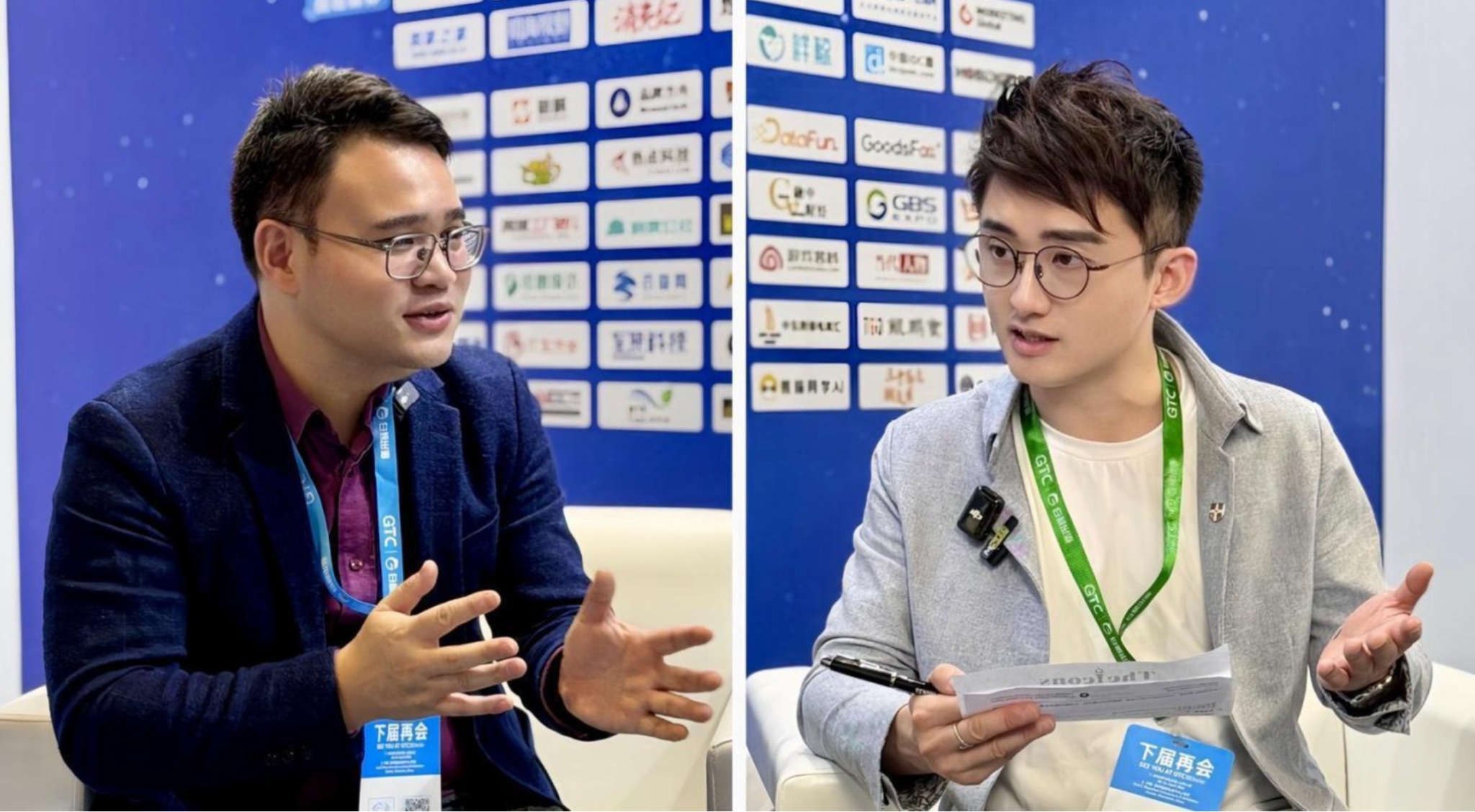
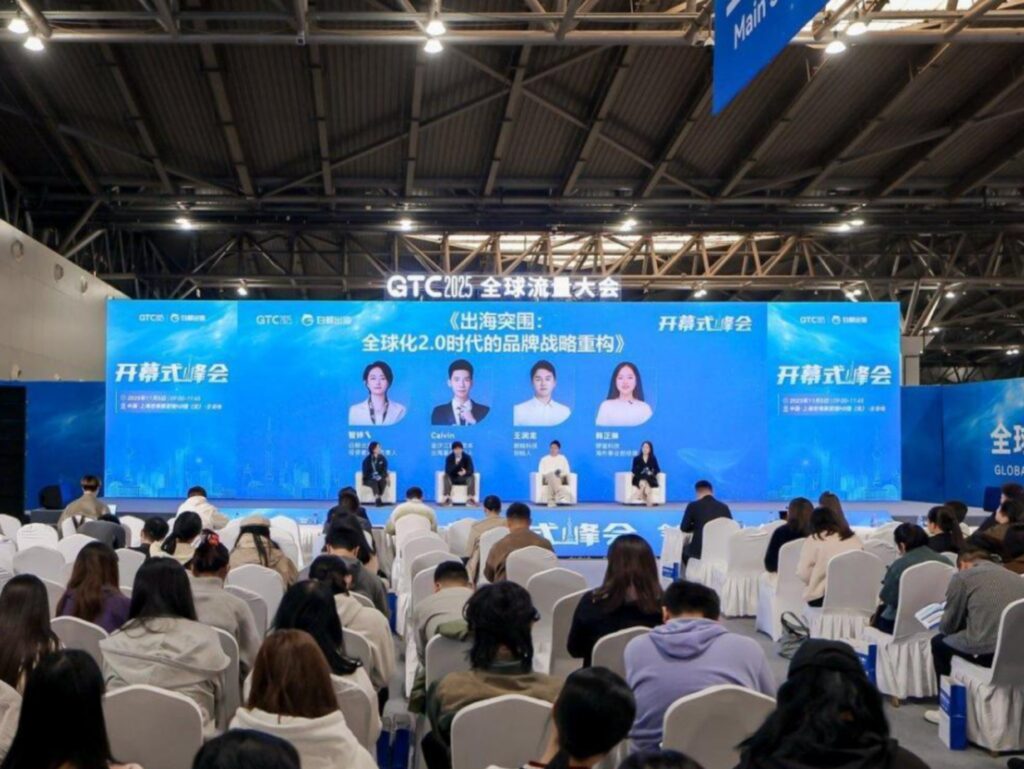
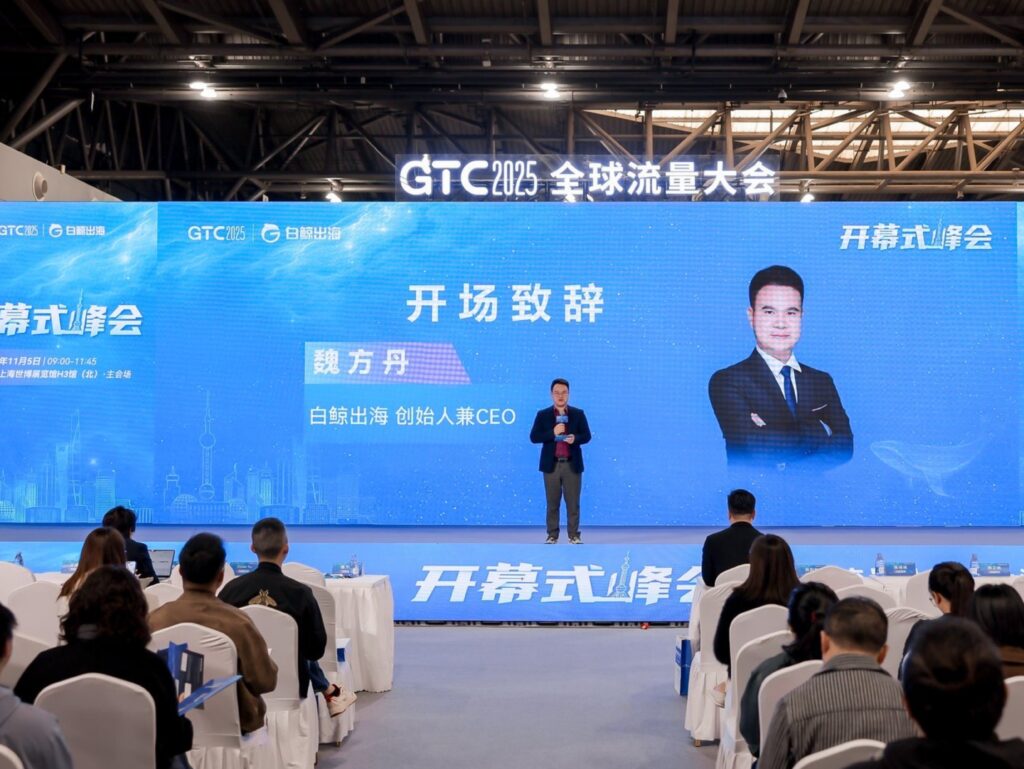
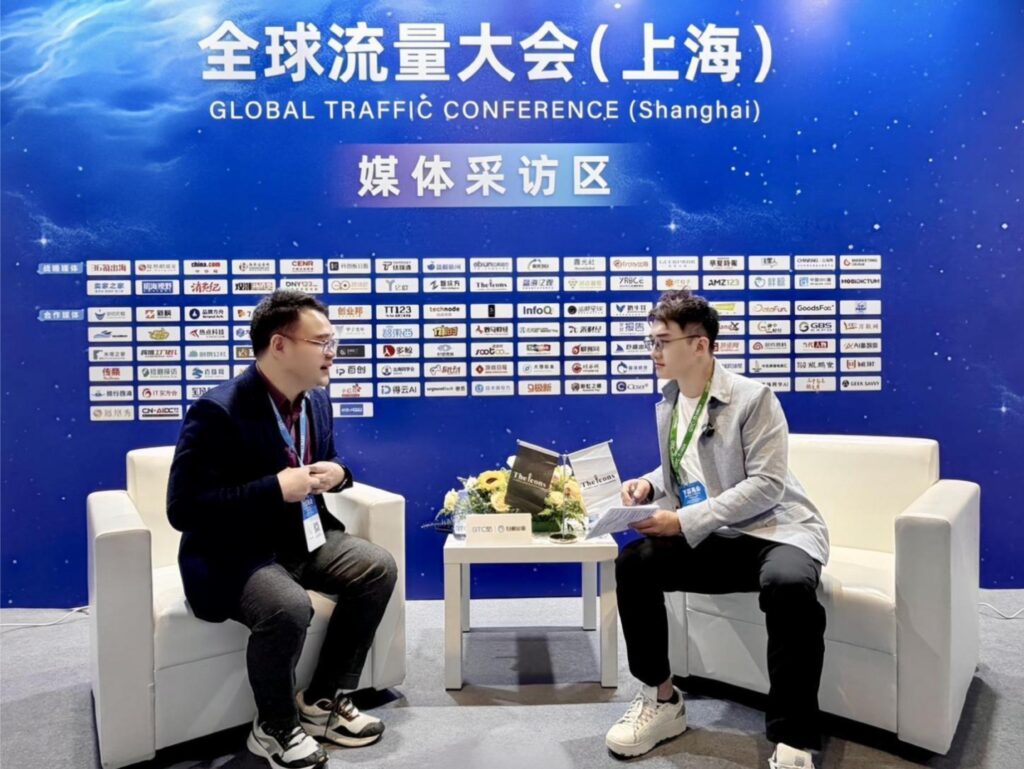
The global competitive landscape is being redrawn. Capital is no longer the hardest resource to obtain; trust has become the new global currency. In November 2025, GTC2025 Shanghai, held at the Shanghai World Expo Exhibition and Convention Center, became the gathering point for global innovation forces. As a strategic media partner, the British global leadership media《The Icons》attended the event and engaged in a dialogue with Wei Fangdan, Founder and CEO of Baijing Chuhai Group. They explored how leaders’ personal brands can serve as the core driving force for brand globalization amid the wave of enterprise internationalization.
Leaders Must Go Global First for the Enterprise to Find Its Course
“The success of an enterprise is ultimately deeply tied to its founder,” Wei stated pointedly. He shared insights from years of observing Chinese companies expanding overseas—some had first-rate technology, mature products, and excellent teams, yet stalled in foreign markets. The root cause wasn’t a lack of capability, but the founder not having “gone global” first. “A company is a mirror; it reflects the founder’s way of thinking. How a founder sees the world determines how the enterprise interacts with it.”
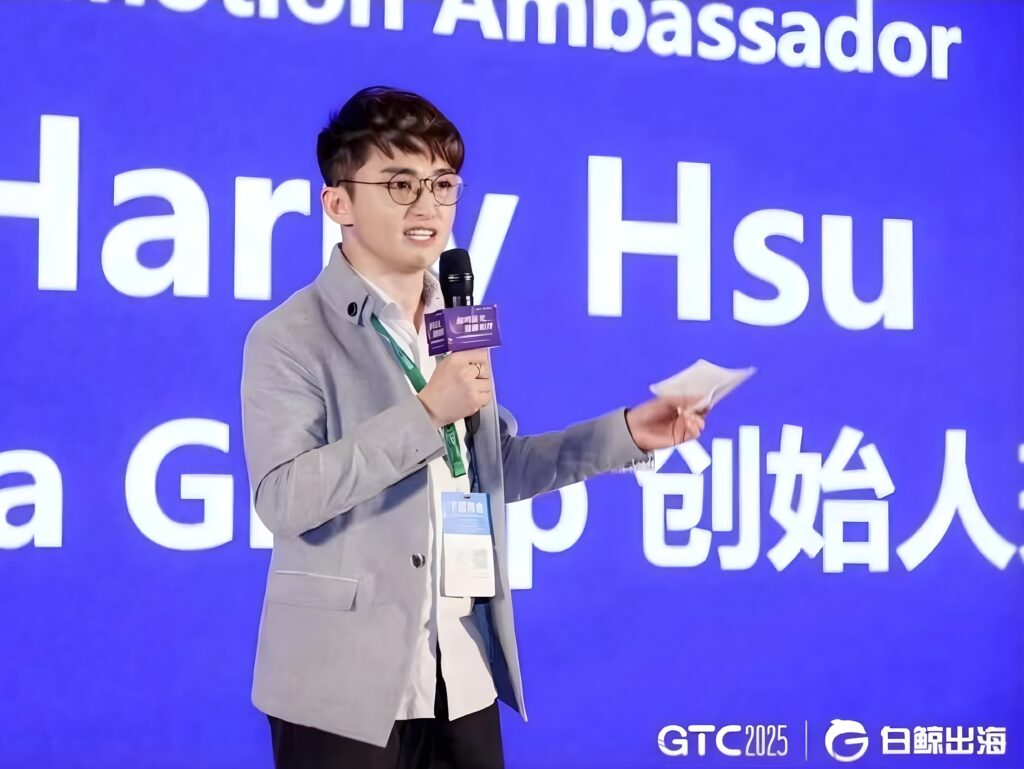
Hsu elevated this perspective to a higher structural level: “True global expansion is not about the company crossing borders, but about the leader transcending boundaries.” He noted that the global market first judges not the brand name, but the leader’s vision. This is the core of the Leadership IP theory proposed by The Icons: the character of the leader is the most resilient competitiveness of an enterprise. “When a founder is willing to become the spokesperson for the brand’s soul, the world can understand the enterprise’s values through him.”
Before going global, the first boundary a leader must cross is their own cognitive one. This is not abstract philosophy but practical business logic. Hsu said, “If a leader cannot be the first person to be understood by the world, then the enterprise’s brand will forever remain closed.” The mission of The Icons is precisely to help such leaders break boundaries, transforming character into narratives understandable in a global context:
“Leaders must go global first for the enterprise to find its course. “
Harry Hsu: Confidence and Reverence are the Twin Wings for Leaders Going Global
Wei pointed out that the most common issue for Chinese companies expanding overseas is the “inertia of past success.” He stated directly, “We too easily bring a Chinese set of logic overseas, forgetting that the market is no longer the same.” He gave an example: In China, corporate culture is known for execution efficiency; but overseas, decision-making and collaboration place greater emphasis on consensus and respecting differences. Chinese companies often pursue “speed,” while the international market values “correctness” more. He summarized incisively, “The more successful a Chinese company is, the more prone it is to falter overseas—because they have forgotten reverence.”
Hsu expressed complete agreement with this view and further proposed a complementary framework: “Confidence is the propelling force, reverence is the navigator. Without confidence, you will not set sail; without reverence, you will certainly lose your way. They are the twin wings for leaders venturing overseas.” He believes that a mature leader is not a unidirectional, authoritative figure, but someone who can maintain a posture of learning amidst cultural differences. True global leadership is not about conquest, but about understanding. Only when entrepreneurs shift from “I understand the world” to “I am willing to be understood by the world” does the true dialogue of globalization begin.
Hsu noted that this is also what The Icons has long focused on: the “translation of character structure.” If a leader can flexibly adjust language, attitude, and pace across different cultures while maintaining core beliefs, this “stability within flexibility” is precisely the form of trust in the new business civilization.
Bandari Wei: From Capital Speed to Trust Endurance, Global Expansion is a Marathon, Not a Sprint
“Global expansion is a marathon, not a sprint.” Wei’s tone carried the depth of a seasoned practitioner. He noted that many enterprises measure success by short-term returns, hastily withdrawing if profits don’t materialize within a few years. “But trust accumulation is a slow variable. You cannot plant a tree today and enjoy its shade tomorrow.” He gave an example: Chinese enterprises often view markets with an “investment” mindset, whereas those who truly succeed integrate with a “living” mindset. “When you live locally, understand the culture and rhythm, the market will truly accept you.”
Hsu took this idea and translated it into brand strategy language: “The internationalization of a brand always precedes the internationalization of its products. When a leader is willing to personally face the world, their presence translates into brand trust.” He cited multiple success stories: whether sustainable innovation enterprises in London or tech entrepreneurs in Singapore, those brands that truly endure long-term all have a leader with “soul” behind them. “Internationalization is not advertising; it is the long-term public presentation of character. People must be seen for the brand to be remembered.”
A deeper challenge lies in the endurance of mindset. Wei added, “Leaders must acknowledge that going global entails risks, mistakes, and time costs. This is not failure; it is the necessary path.” His tone was calm and resolute: “The market has no permanent winners, only those willing to learn long-term.”
The Challenge for Family Successors: Rebuilding Trust Through Influence
As family businesses enter the succession phase, the new generation of leaders faces a “dual-axis transformation”: digitalization and sustainability. Wei observed this group of young business leaders and successors keenly: “They lack neither capability nor vision, but what they lack most is trust.” He pointed out that within traditional family structures, the challenge for young leaders is not professional competence, but the right to be heard. He advised:
“Do not challenge the entire family structure at once. Start with a small project and use results to persuade tradition.” He illustrated, “If you want to explore a new market, form a small team, allocate a budget, and develop a profitable model within a year. Let the facts speak for themselves; that is more powerful than debate.”
Hsu defined this phenomenon as “the intergenerational transition of leader IP”—this generation of successors is not merely inheriting the business but reshaping the brand’s character. He said, “They must learn to exchange influence for trust power, and then extend that trust power into brand power.” He observed that the new generation of leaders understands media, communities, and culture better. They are not just business operators but also transmitters of values. “When a brand’s tone can be understood simultaneously in London, Tokyo, and Taipei, you are not just an entrepreneur but a cultural voice.”
Wei nodded in agreement: “The international market lacks neither capital nor products. What it lacks are trusted stories.” This statement seemed like a summary of an intergenerational dialogue—about the balance between influence and authenticity.
From Borders to Minds: Character is the Global Edition of an Enterprise
Towards the end, both men coincidentally brought up the term “character.” Hsu said, “Future competition lies not in products, but in character. An enterprise without a soul will not be remembered.” He believes that whether an enterprise earns long-term respect depends on whether it maintains a consistent rhythm of values. This rhythm is not slogans, but consistent behavior and practice—demonstrating sincerity and steadfastness whether in the boardroom, with the media, or in cross-cultural exchanges.
Wei added, “Going global is not about conquering markets, but about engaging in dialogue with the world. The more you understand, the more the world is willing to listen.” He paused briefly and smiled, saying, “The enterprises that truly endure are not the loudest, but the most trustworthy.”
They looked at each other, the moment quiet yet powerful. Hsu concluded softly, “The market is the territory; trust is the passport.”
Wei responded with a smile, “And character is that never-expiring passport.”
This dialogue of ideas and actions also set the tone for Chinese enterprises’ global journey in 2025—products can go to the world, but only character can truly reach it.
Recommend for you:
The Light He Brought to COP30: Ray Ko and the Story of Water and Hope