
In an age defined by heightened uncertainty and the instant spread of information, the logic of competition is quietly shifting. Scale, capital and systems still matter, but they are no longer sufficient to secure long-term enterprise value. Increasingly, markets return to a more fundamental question: Is this a company that can be trusted?
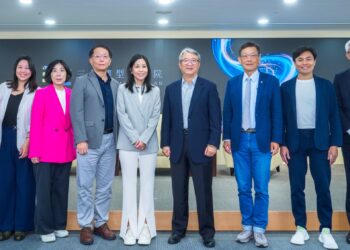
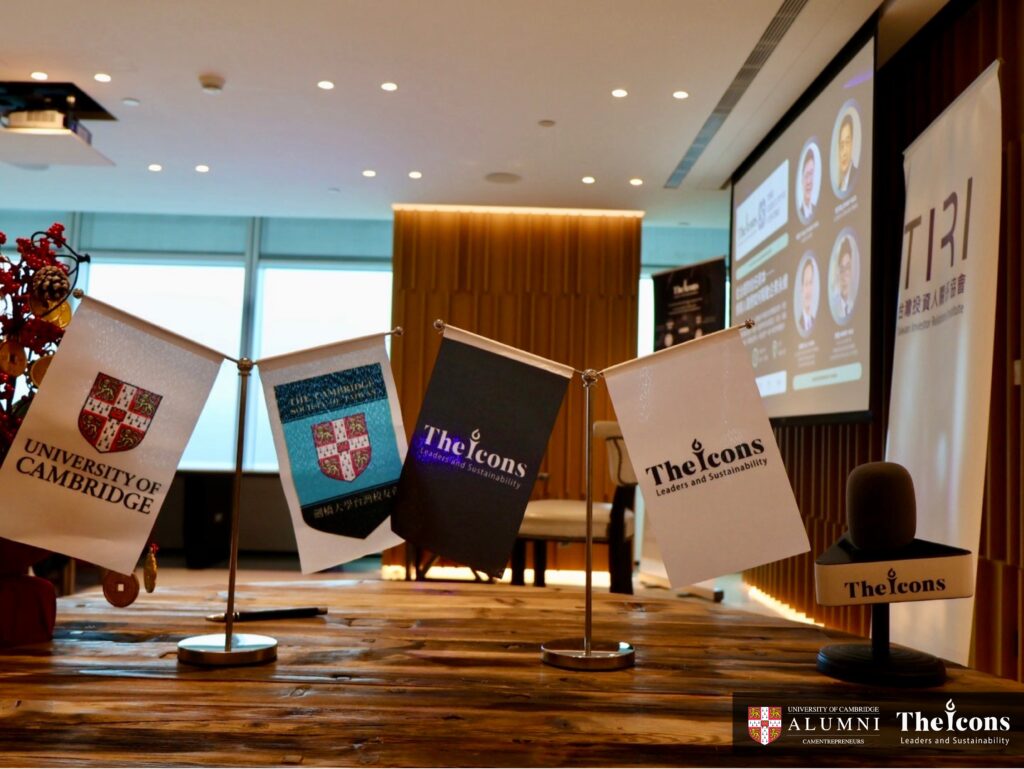
On 8 December 2025, the CAMentrepreneurs Asia – Taiwan Q4 Forum, hosted by CAMentrepreneurs, the University of Cambridge’s global alumni entrepreneurs community, took place on the 57th floor of Taipei 101. The forum was co-hosted by The Icons (APAC Office) and The Executive Centre (TEC), Taipei 101, and co-organised with the support of the Cambridge Society of Taiwan, the Oxford Society of Taiwan, the Taiwan Investor Relations Institute (TIRI) and the British Chamber of Commerce in Taipei.
With the theme “From Governance to Trust Capital”, the forum brought together practitioners and thought leaders spanning business ethics, investor relations, and leadership reputation management—to examine the deeper link between governance, trust, and sustainable corporate value from multiple perspectives.
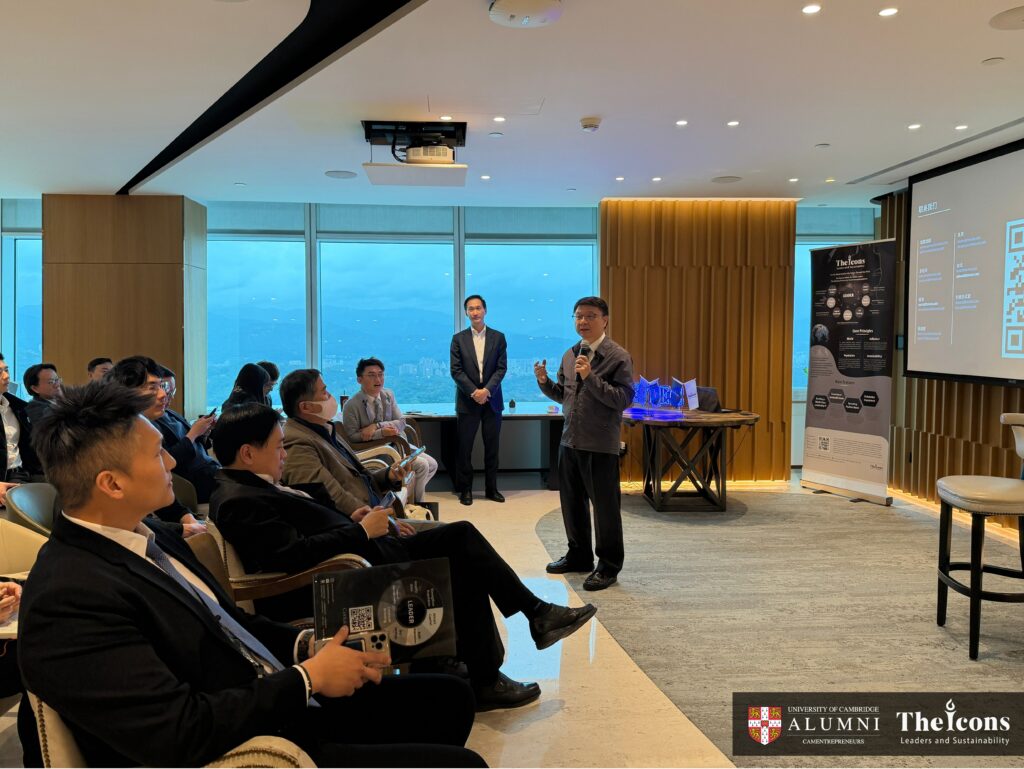
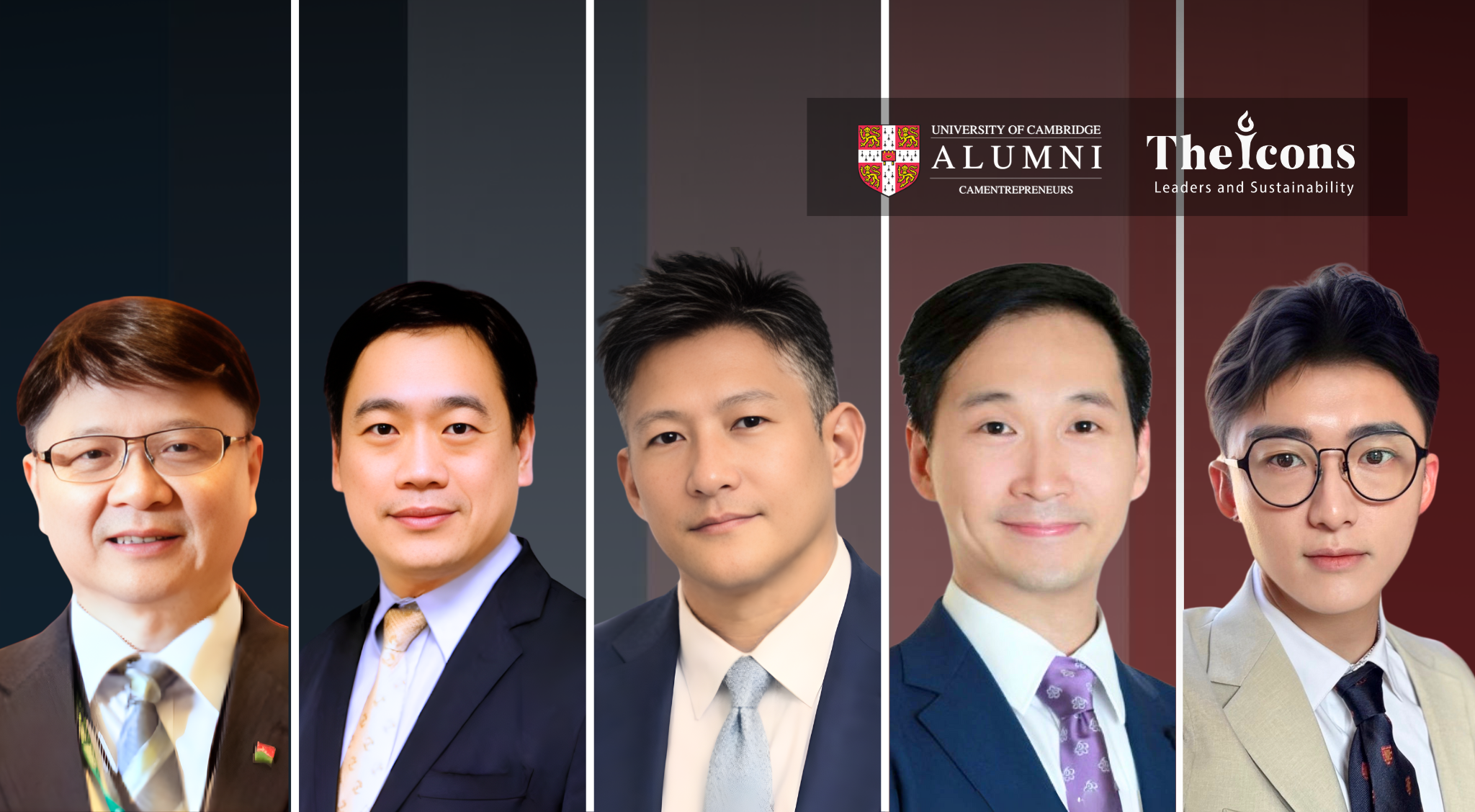
The forum was moderated by Professor Ali Ying-Che Hsieh , President of the Cambridge Society of Taiwan and Professor at the Institute of Technology Management, National Tsing Hua University. In his opening remarks, he noted that the challenge facing businesses today is no longer simply whether compliance frameworks are in place, but whether the outside world remains willing to believe in them—even when systems exist.
“If governance remains confined to internal procedures, it cannot answer market scepticism. Trust only accumulates when governance becomes behaviour that can be seen, understood, and repeatedly verified. That is when trust becomes the true source of long-term value.”
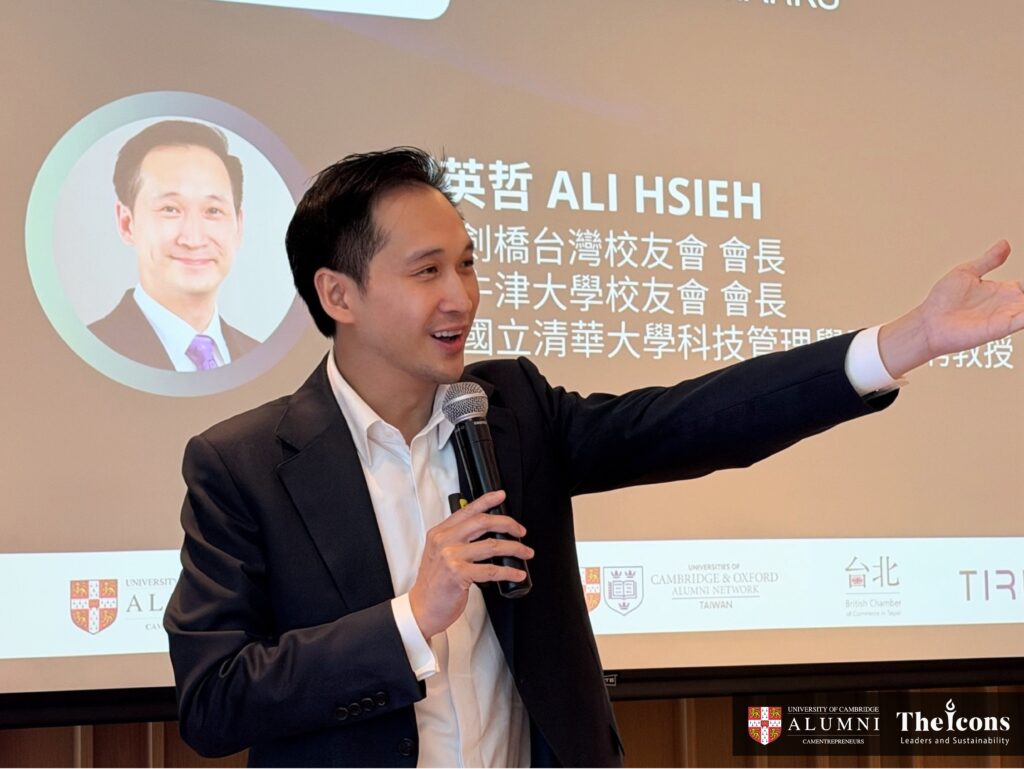
As a co-host, Vildon Foo, General Manager of The Executive Centre, Taipei, emphasised that real leadership must be accountable—towards the environment, society, and the wider communities in which businesses operate—and that this belief is embedded in TEC’s everyday choices:
“From partnering with ESG-aligned buildings such as Taipei 101, to adopting sustainable materials and energy-efficient solutions, and forming partnerships with organisations that share our values—such as The Icons, a media platform with global perspective—today’s focus on ESG leadership carries a clear message. ESG is not merely a framework or a box-ticking exercise; it is a way of thinking, and a set of choices we make every day through leadership and decision-making.”
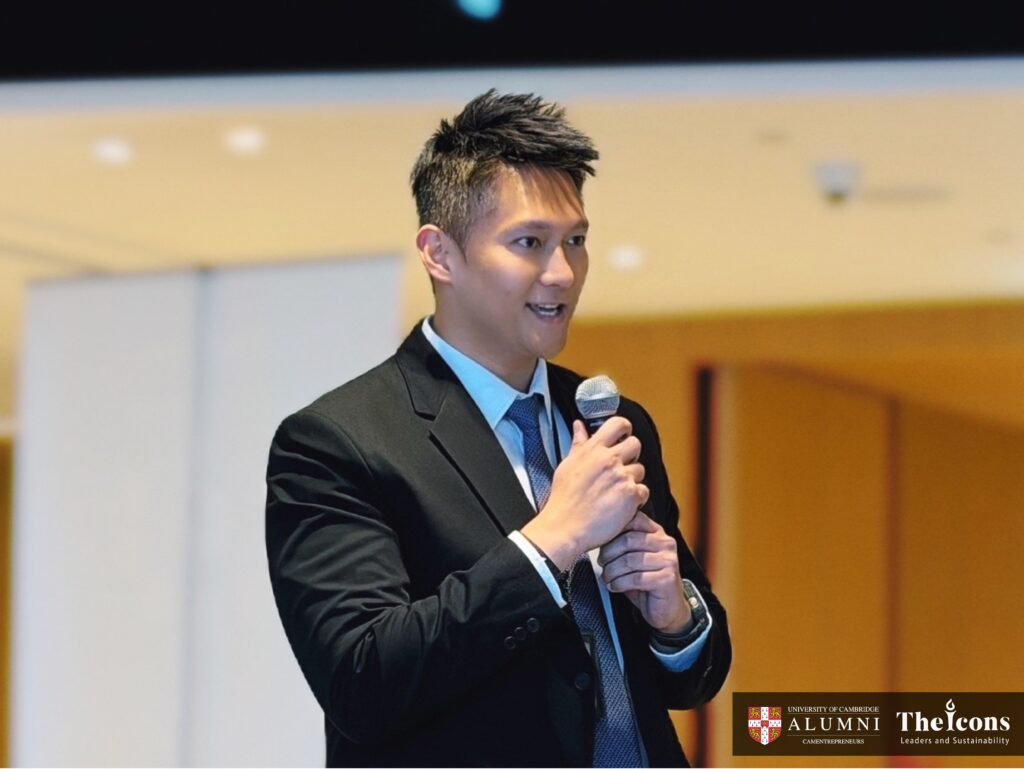
Yang Pai-Chuan, Chief Ethics Officer at Sinyi: How Business Ethics Builds the Foundations of Trust
As Chief Ethics Officer within the Sinyi Group, Yang Pai-Chuan guided the discussion towards a less visible—but often most decisive—layer of governance: how intangible forces shape organisational behaviour over time. He observed that what truly drives decisions and actions in a company is not always what is written in policies, but what people instinctively do when rules are unclear.
In his view, executive authority manages the visible world—strategy, resource allocation, and performance outcomes—while ethical governance focuses on the internal judgement systems that cannot be easily quantified, yet operate continuously. These invisible forces determine how people navigate ambiguity, how trade-offs are made in grey areas, and whether an organisation can hold the line on trust under pressure.
“Most companies do not lose trust because of one dramatic mistake, but through gradual drift in everyday operations. Each time standards are lowered for short-term gains, or communication is sacrificed for efficiency, choices may appear reasonable in isolation. Over time, they erode the organisation’s core value base. When this drift goes unnoticed, even the most robust systems struggle to prevent trust from leaking away.”
Yang stressed that business ethics is not a restrictive framework designed to limit action. Instead, it is a thinking system that helps organisations remain consistent in complex reality. The aim is not perfection, but clarity: enabling people to recognise which behaviours damage relationships and which choices build trust. When such judgement becomes practised repeatedly and internalised as culture, trust no longer needs to be loudly promoted—it settles, naturally, into the organisation as its deepest and most difficult-to-replicate form of intangible capital.
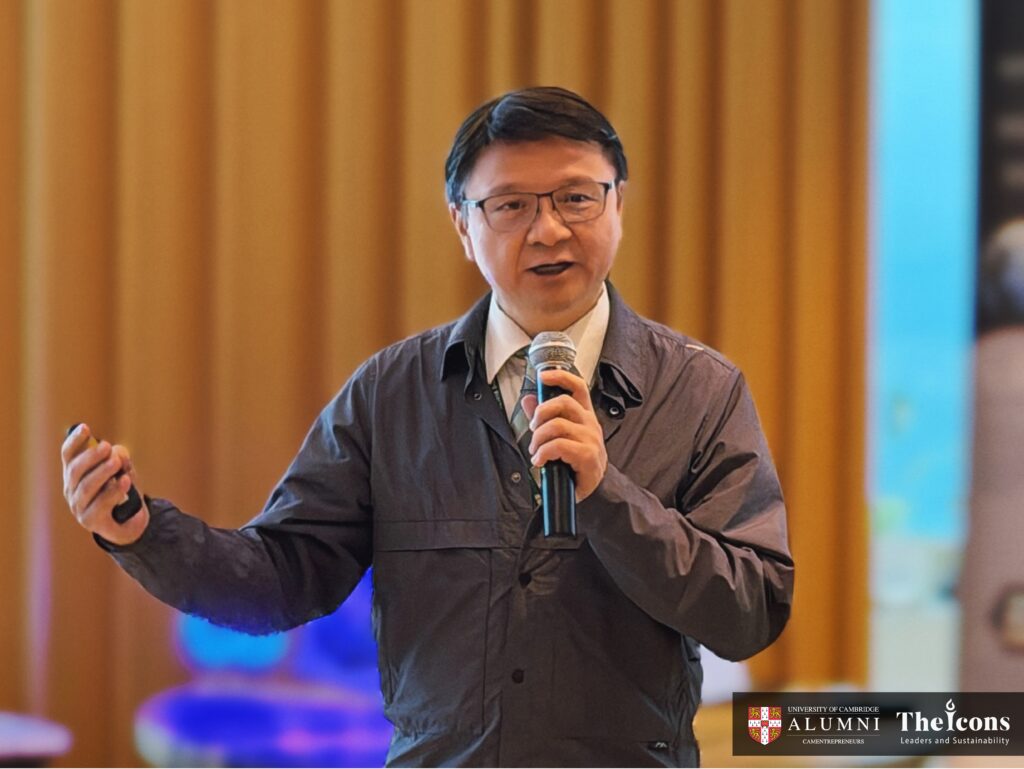
Jonny Zong-Lin Guo, Chair of TIRI: How Investors Decide Whether a Company Merits Long-Term Trust
Speaking from the frontline of capital markets, Jonny Zong-Lin Guo , Chair of the Taiwan Investor Relations Institute (TIRI), reminded the audience that investors do not assess companies in isolation. They face an abundance of choices competing for trust simultaneously. In an environment of extreme information density, the market does not have the capacity to fully digest every company’s internal narrative. As a result, organisations must proactively establish a language of trust that can be interpreted quickly.
Guo noted that investor relations has never been about persuasion. It is about reducing uncertainty. Investors are not only asking whether a company is performing well today, but how it will respond when conditions shift, pressure rises, and difficult decisions must be made. The question is whether the company’s behavioural patterns are predictable—and whether its decision logic and values remain consistent.
“Governance assessments, ESG metrics, transparent disclosure, and timely communication form a language the market can read. They enable investors to identify, amid complexity, which companies demonstrate stable decision-making logic and a consistent value orientation. When a company shows continuity over time across these dimensions, trust accumulates—not as a short-term emotional reaction, but as a durable asset.”
He added that mature governance is not about pursuing zero risk, but about ensuring risk is visible, understood, and managed. When a company is willing to acknowledge uncertainty and explain the reasoning behind its decisions and guiding principles, the market often finds it easier—not harder—to build trust. Ultimately, that trust shows up in valuation, liquidity, and how far capital is willing to travel with the enterprise.
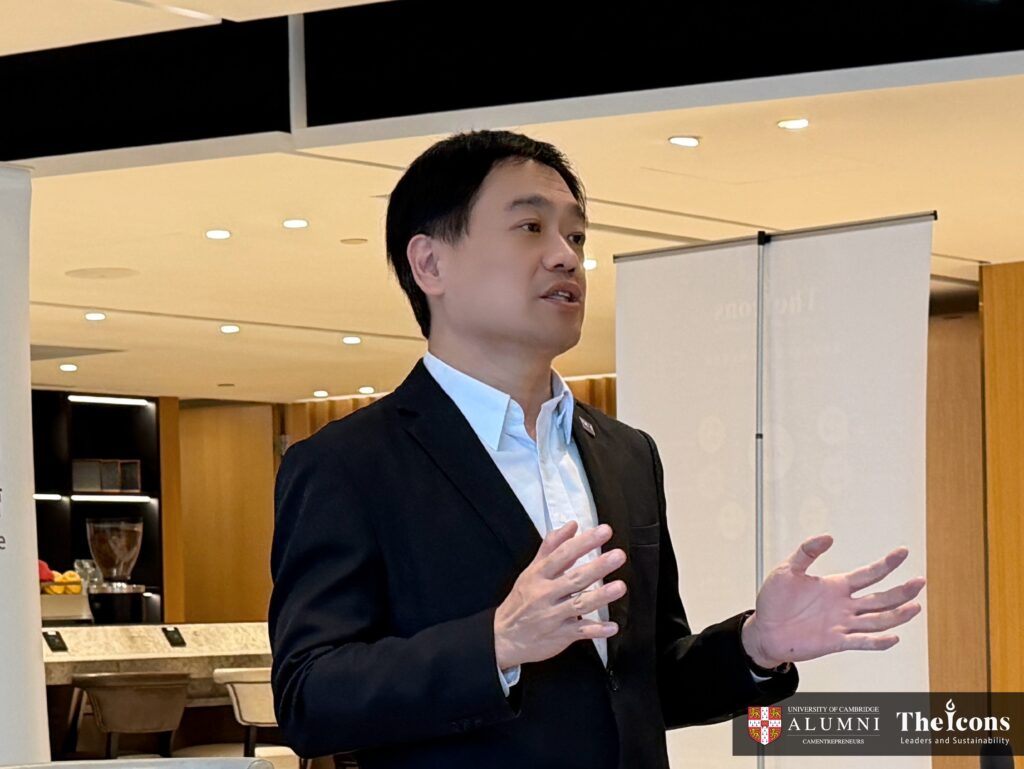
Harry Hsu, CEO of The Icons: In the AI Era, the Market Ultimately Assesses the Leader Behind the System
Harry Hsu, CEO of The Icons, brought the conversation to a contemporary reality that modern organisations cannot avoid: as governance frameworks and information become more transparent, the market often ends up assessing not the system itself, but the leader behind it.
He argued that in the AI era—where information is generated and amplified at speed—public understanding forms faster than ever, and trust judgements become more concentrated. Whether leaders are willing to take responsibility openly, articulate values clearly, and maintain consistency in critical moments can have a direct and disproportionate impact on corporate reputation.
“Leadership reputation is not a cosmetic add-on outside governance. It is governance leverage—amplified. When internal values and external narrative connect coherently through the leader, trust can be built far more quickly. But when leaders choose to remain hidden or ambiguous, even strong systems cannot fully compensate for market anxiety.”
Hsu added that when leaders consistently demonstrate stable judgement and decision logic over time, their reputation can accumulate into a form of trust capital that is transferable and scalable. This trust capital affects not only investors and markets, but also employees, partners and the wider stakeholder ecosystem—becoming a critical intangible resource during transformation, fundraising, and cross-border expansion.
“This is where The Icons has focused for the long term. We are not here to ‘manufacture image’ for leaders or companies. We help translate values and judgement that already exist internally—but are not yet visible to the world—into public narratives the market can understand, trust, and remember. In the AI era, the advantage is not in speaking faster. It is in being understood correctly. When understanding is established, trust follows—and becomes the most resilient form of long-term capital.”
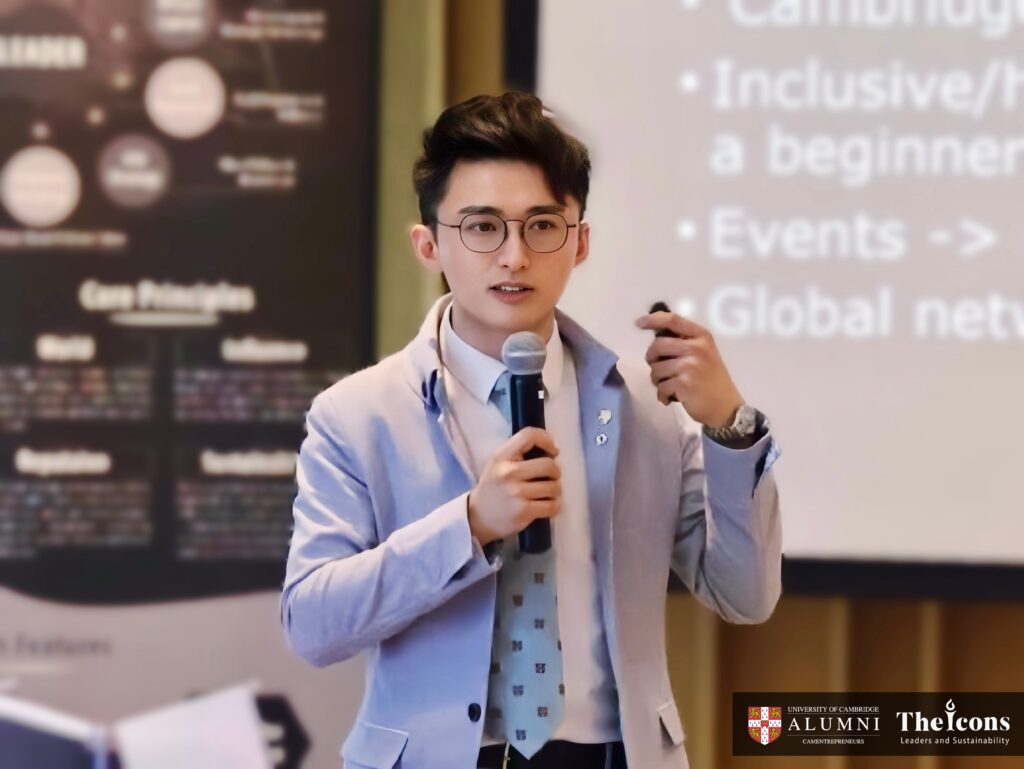
About CAMentrepreneurs: A Cambridge-Rooted, Globally-Oriented Network of Thought and Leadership
CAMentrepreneurs, supported by the University of Cambridge and founded by prominent alumni entrepreneur Richard Lucas, is a global alumni community active across Europe, Asia and North America. Centred around Cambridge and Oxford alumni in each city, it connects founders and business leaders from technology, finance, manufacturing, sustainability, media, and innovation. Through public forums, closed-door exchanges, international collaborations and cross-city linkages, CAMentrepreneurs has developed into a network rooted in Cambridge values and driven by global perspective.
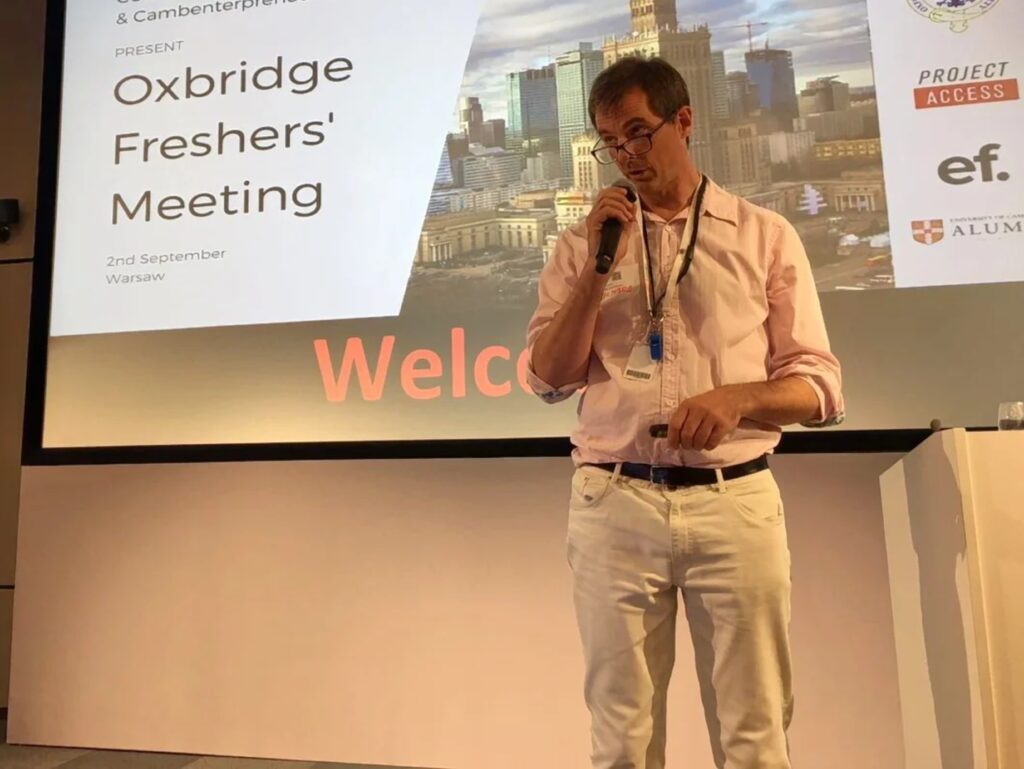
Richard Lucas has noted that, unlike communities built primarily on resource exchange or short-term deal-making, CAMentrepreneurs places emphasis on how ideas shape action, and how organisations build governance structures worthy of trust as they grow. Through cross-industry and cross-cultural dialogue, it aims to deepen exchange among leaders—so that innovation becomes not only a race of speed and scale, but also a discipline of values, choices, and long-term impact.
“For us, CAMentrepreneurs has never been solely about business or achievement. It is about how people, in a fast-changing world, still choose honesty, responsibility, and mutual trust. We are building a space where leaders from different cultures and generations can speak openly and learn from each other. Here, people do not need to prove how successful they are first. They are willing to ask what kind of value they want to leave behind in the world.”
Recommend for you:
CAMentrepreneurs Taiwan Chapter Launches: Turning Every Local Connection into Part of a Global Whole