
By early 2026 the conversation around artificial intelligence had begun to shift. Only a few years ago AI was treated as a technological spectacle. Companies showcased it as a feature, a product upgrade or a reason for new investment.
That phase is fading. A more difficult question has emerged. When the same AI tools are available to everyone, what actually separates the companies that succeed from those that do not?
This question framed the first session of The Icons Talk, a webinar hosted by the global leadership platform The Icons. The event was organized together with The 90 and brought together founders from very different industries.
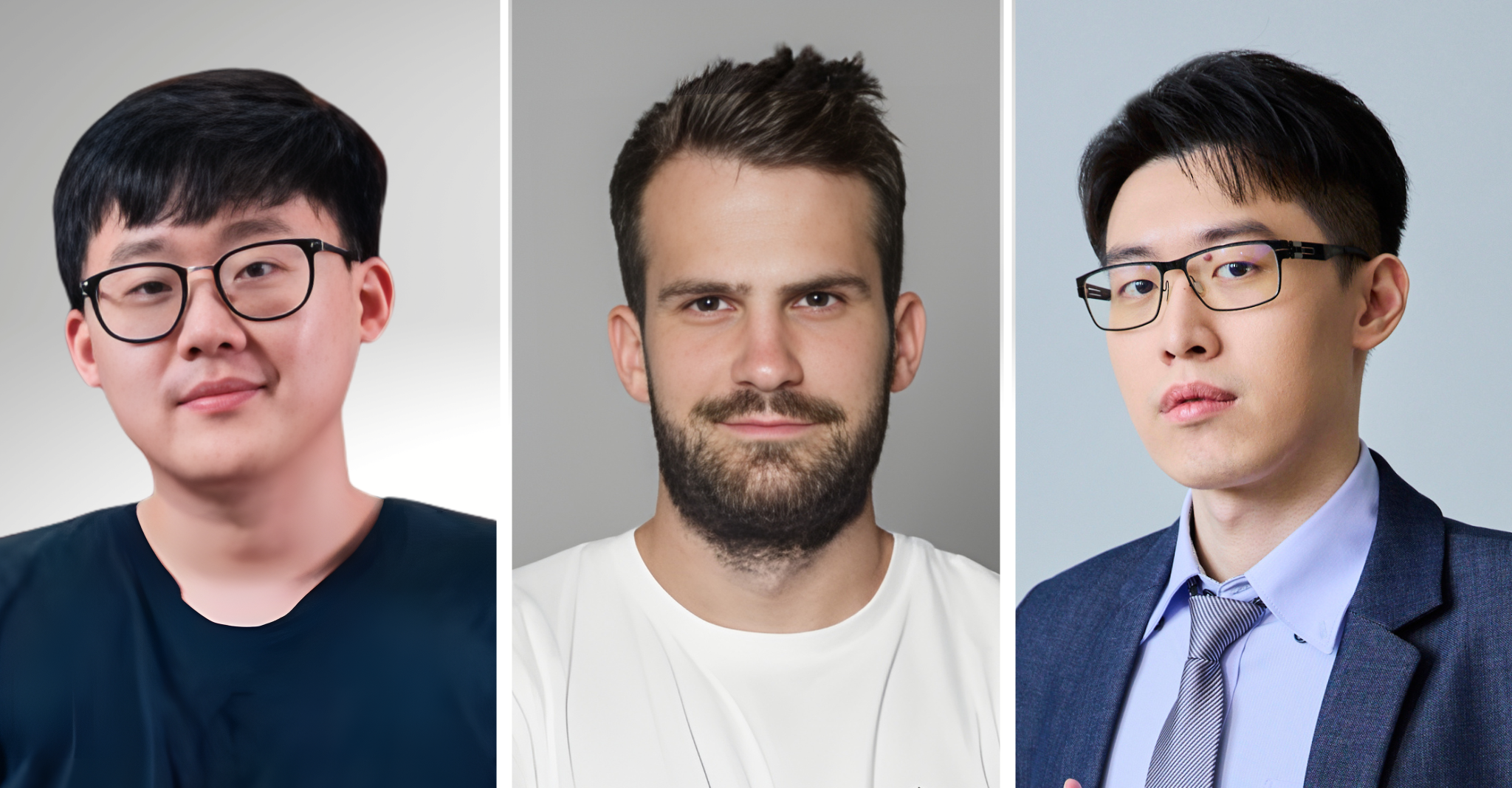
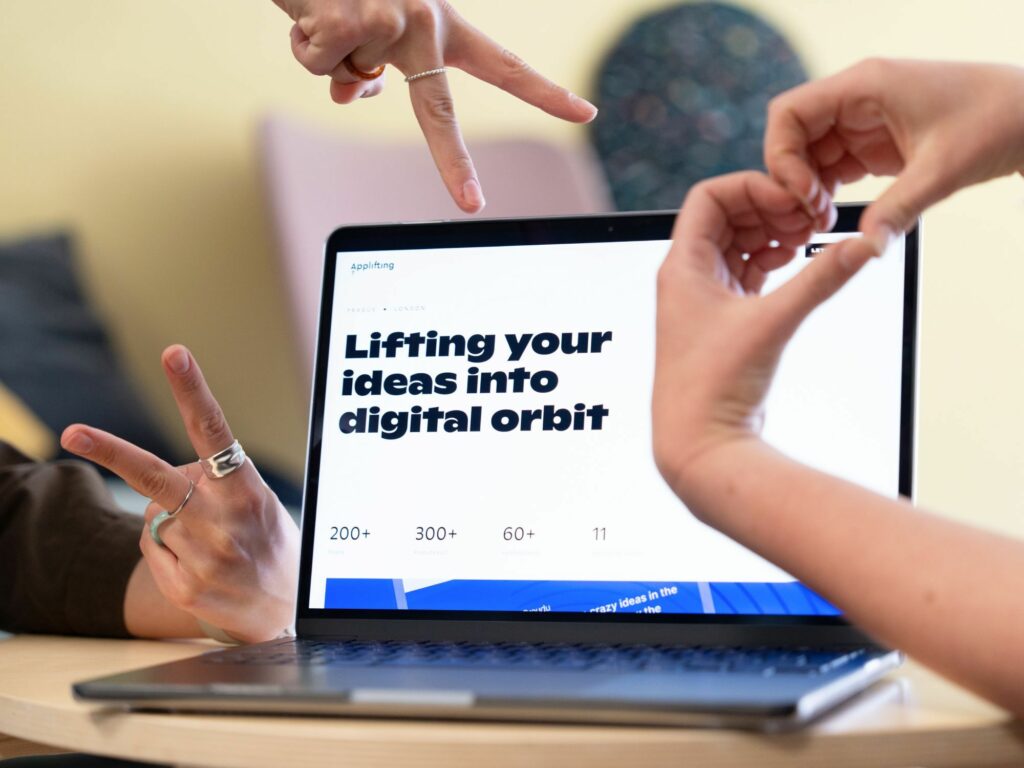
One participant was Jan Hauser, CEO and co-founder of Applifting, a Prague-founded company that builds digital products for fintech firms and large enterprises.
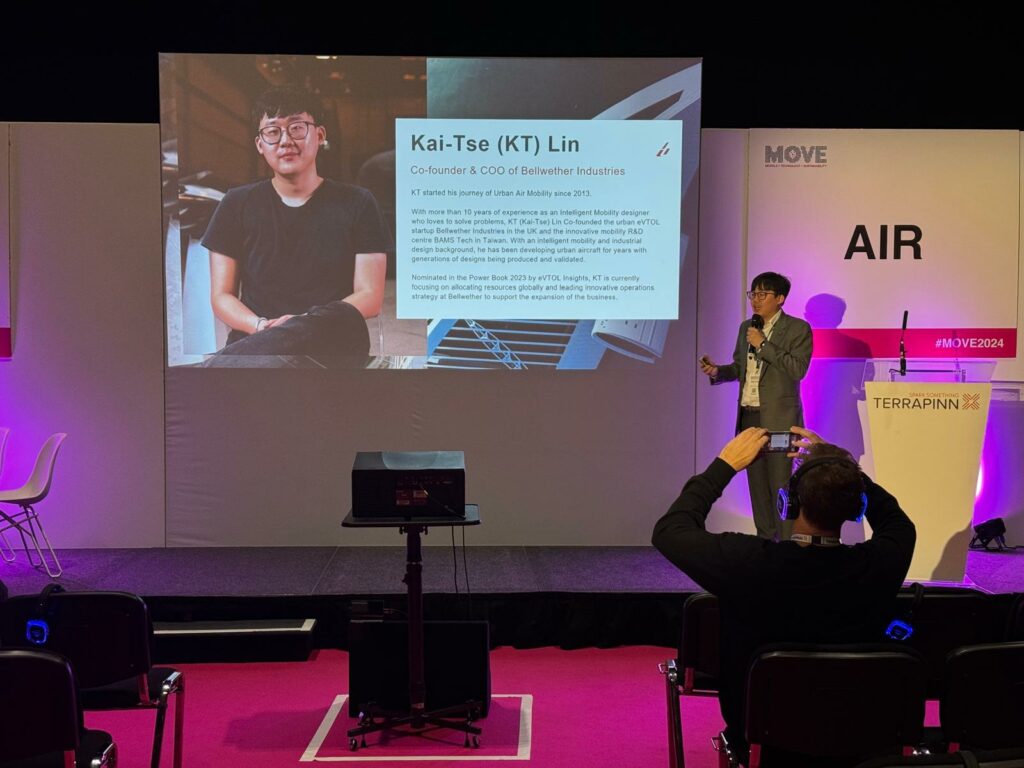
The other was Kai-Tse Lin, co-founder and chief operating officer of Bellwether Industries, which is developing electric vertical take-off and landing aircraft designed for urban transportation.
The conversation was moderated by Ricky Wang, Director of Business Development at The Icons.
Despite operating in different sectors, both founders addressed the same underlying challenge. Once the novelty of AI fades, advantage comes from how companies adapt rather than from the technology itself.
Jan Hauser: AI Still Requires Human Responsibility
For software companies the rise of AI appeared early.
Jan recalled a meeting a few years ago when someone asked employees how many were already using AI tools in their daily work. The number of raised hands surprised the leadership team.
That moment showed that AI was no longer confined to a small group of engineers. It had already become part of everyday work across the company.
Applifting responded by developing internal principles for using AI in engineering. One metric the company tracks is called MEETER, which measures how long an AI system can perform a task before human intervention becomes necessary.
About eighteen months ago the answer was roughly ten minutes. By early 2026 it had grown to about ninety minutes, with success rates approaching eighty percent.
Even so, Jan argues that companies should not rush to deploy every new AI tool.
“A new tool appearing does not mean it is ready for production,” he said. “Companies need an environment where they can experiment quickly. But experimentation is not the same as deployment.”
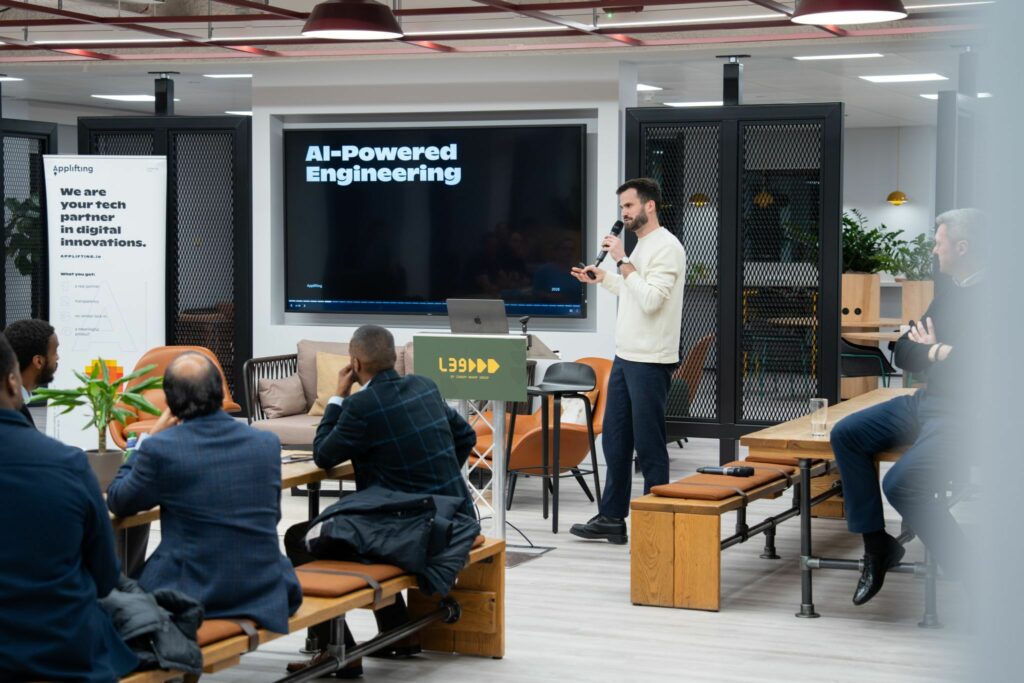
Applifting introduced an internal AI maturity framework to guide engineers as they incorporate AI into their workflow. Yet one principle remains unchanged.
Engineers must understand the code produced by AI.
“If you do not understand the code, it should not enter the product,” Jan said. “Responsibility still belongs to the engineer.”
He also questioned the growing volume of AI-generated content online.
Large amounts of automated emails, articles and social media posts now circulate across the internet. Much of it, he suggested, adds little meaningful value.
“It is content that is not written by humans and often not truly read by humans either,” he said.
For founders the real challenge is therefore not simply adopting AI but building internal expertise.
“This field contains many people who claim to be experts,” Jan said. “Eventually companies need people inside their teams who are willing to study the technology deeply.”
Kai-Tse Lin: AI Expands Engineering Possibilities Without Replacing Judgment
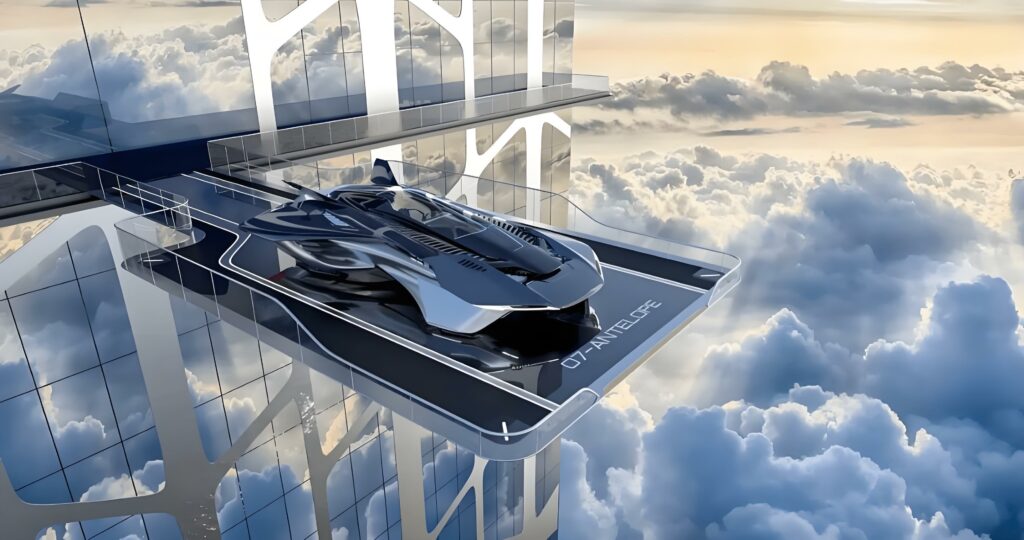
Kai-Tse Lin’s company, Bellwether Industries, is developing urban air vehicles, commonly called air taxis. This is an industry where research and development cycles are measured in decades.
Every part must pass strict safety checks. Every design decision is tied to aviation rules and passenger safety. In this world, technological progress is never just about efficiency. It is about balancing risk, responsibility and long term reliability.
When Kai-Tse talks about AI, his tone is measured. “There are two levels to look at AI’s impact,” he said. “One is making daily operations more efficient. The other is changing how we develop products. For us, the second level matters more.”
In aerospace engineering, design and testing have always taken the most time. Traditional simulation systems are expensive and slow. A full simulation could take days and require dedicated teams. Now, AI can complete similar simulations in hours, with accuracy approaching 90 percent. For engineers, this changes the pace of development.
But Kai-Tse also warns that engineering does not stop inside a computer. “A design that works on a screen often runs into new problems in the real world,” he said. When a vehicle is actually built, material strength, airflow changes, vibration and temperature all affect how it performs. Designs that look perfect in a simulation often need repeated changes during physical testing.
“So in aerospace engineering, AI is more of a supporting tool than a decision making center. It can help engineers understand problems faster. But the final call still has to be made by humans.”
A point Kai-Tse made about self-driving cars helps explain this. Early autonomous systems worked best on highways, where the environment is simple. They struggled on city streets, where unexpected things happen all the time. But with newer AI models, the picture is shifting. In busy, fast changing urban environments, AI can often make decisions faster.
“The same technology can perform completely differently in different environments. There is a lot we are still slowly understanding.” This shows a basic truth: AI is not a tool for everything. Its abilities and limits have to be understood through long, real world testing.
For aviation, this kind of testing has to be especially careful. Kai-Tse takes care to explain a concept that often gets confused. Many people mix up automation with fully autonomous systems. But in aviation, they are two very different paths.
“Automation means the pilot is still on board. Some tasks are just handed to the system. True autonomous flight means there is no pilot,” he said. “In the aviation industry, we almost never talk about the second one. The liability issues are too complicated.”
So while software companies try new models fast, aerospace engineers have to think about another question at the same time: if the system makes the wrong decision, how does a human take over?”About 70 percent of aviation accidents are actually related to human error. So AI does have the chance to improve safety. But the prerequisite is that the technology is mature enough, regulators know how to oversee it, and the industry as a whole can figure out liability.”
In Kai-Tse’s view, this is not being conservative against new ideas. It is holding new ideas to a higher standard. The technologies that really change industries are never just faster. They find a new balance between speed, safety and responsibility.
Automation, Autonomy and Responsibility
Toward the end of the discussion moderator Ricky Wang raised a broader question.
If air taxis eventually become part of urban transportation, how will increasingly automated vehicles share the sky?
Kai-Tse suggested that human oversight will remain necessary for many years. Even highly automated systems may still rely on remote operators who supervise operations and intervene when necessary.
He pointed to an incident involving autonomous taxis operated by Waymo in San Francisco, when several vehicles stopped simultaneously during a system disruption. The episode illustrated how advanced systems can still encounter unexpected conditions in the real world.
“Fully unmanned transportation will arrive eventually,” Kai-Tse said. “But it will take time.”
Jan responded with a remark that captured the broader theme.
“In the past when you entered a taxi you expected to see a driver,” he said. “In the future you might see an engineer with a laptop.”
Technology may become increasingly sophisticated, but responsibility does not disappear.
In the end the discussion suggested that the real measure of technological maturity may not be technical capability alone.
Often the true test is whether society is ready to trust it.
Recommend for you:
UK Prime Minister Keir Starmer: Rebuilding Britain’s Future Through Responsible AI Sovereignty