
As the global technology race shifts from product performance to institutional resilience and infrastructure capability, the meaning of the research system itself is being redefined. Artificial intelligence is no longer simply an application layer technology. It is gradually becoming the underlying architecture that connects computing power, data, and algorithms. High-performance computing has extended from a research resource to a critical capability supporting industrial upgrading and policy decisions. Beyond industrial advantages, semiconductors now also impact supply chain security and the pace of international collaboration.
This transformation implies that the core of technological development is no longer just about breakthroughs and speed, but also about the stability of the overall structure, the maturity of institutions, and the ability to continuously accumulate and validate capabilities over time. In such an international environment, the role of research institutions is also gradually shifting from technology executors to capability integrators and participants in the international order.
In 2025, the transition from the National Applied Research Laboratories to the National Institutes of Applied Research (NIAR) represents more than a name change. It signals a strategic repositioning of Taiwan’s national research system in response to the evolving global technology landscape. As the largest research organization under the National Science and Technology Council, NIAR not only undertakes the four main tasks of “establishing R&D platforms, supporting academic research, promoting frontier science and technology, and fostering high-tech talent” but also bears the responsibility of transforming diverse technological energy into a long-term operational framework.
From life sciences to semiconductor research, from computing infrastructure to intelligent robotics integration, the challenge NIAR faces transcends deepening expertise in a single domain. The real question is how to establish stable connections between multi-layered capabilities, allowing research activities with different tempos to advance coherently within a single governance framework. This integrative capability has become a key indicator of the maturity of a research system.
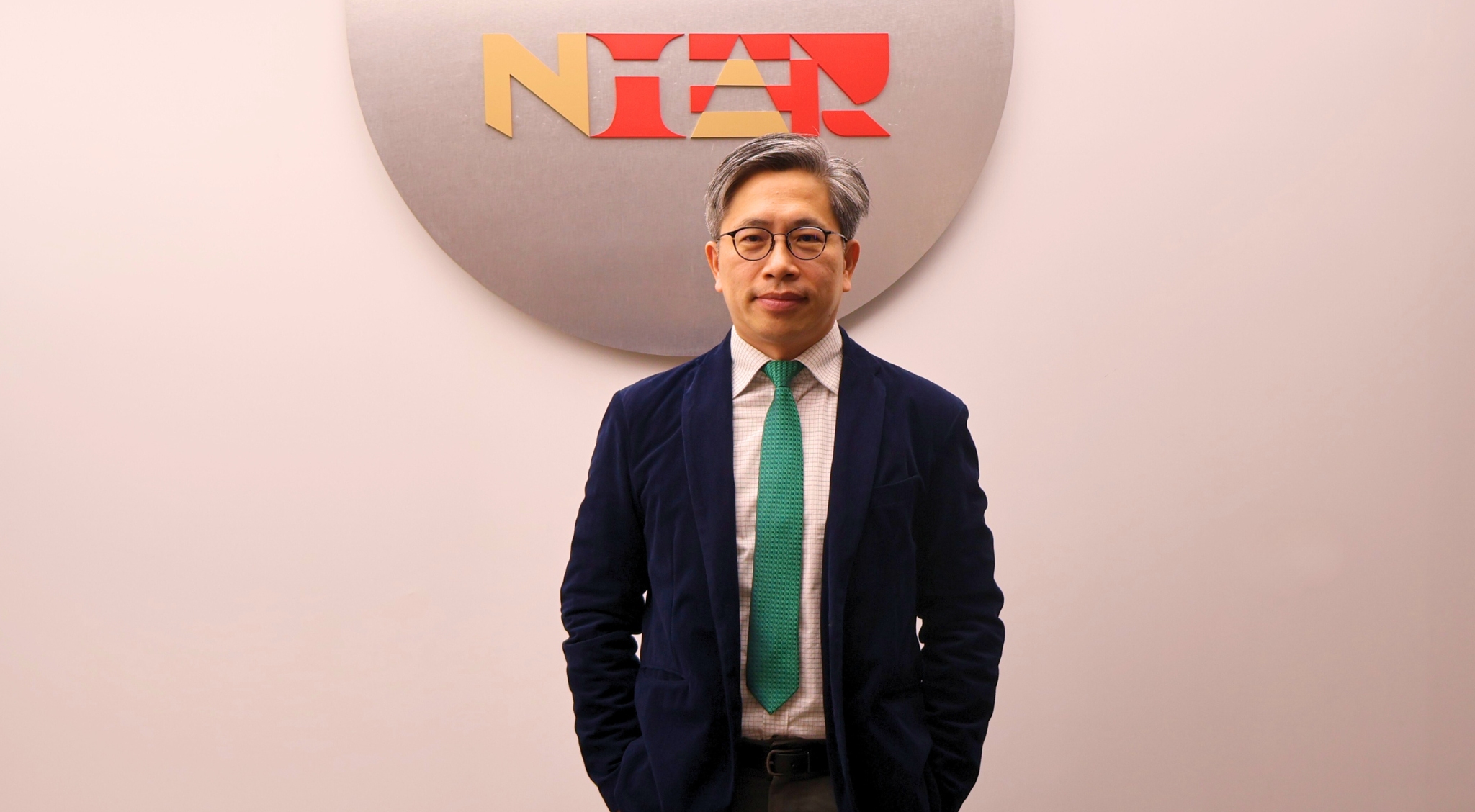
Throughout this transformation process, the core issue for Dr. Hung-Yin Tsai, President of NIAR, is not merely the short-term expansion of output, but more importantly, endowing the research system with long-term carrying capacity. He believes that the real key to competition is not just speed, but the completeness and stability of the structure.
“When research capabilities are embedded within a clear governance structure, technological breakthroughs can maintain their direction despite personnel changes or external fluctuations. When institutional operations are transparent and continuous, international cooperation can be built on a foundation of trust. For me, research is a public capability that requires time to mature. It is precisely with this mindset that NIAR’s transformation and future arrangements begin to demonstrate strategic significance that transcends individual projects.”
ACDRC: From Project-Based Cooperation to Long-Term Collaboration
Discussing the establishment of the Advanced Chip Design Research Center (ACDRC), Dr. Hung-Yin Tsai noted that Taiwan does not lack chip design capabilities. The problem lies in the existing models of international cooperation, which can no longer support deeper-level connections. In the past, international research collaboration was usually organized around individual projects. Teams from both sides cooperated on specific topics, achieved phased results, published papers or technical reports, and then returned to their original rhythms upon project completion. While effective for knowledge exchange, this model struggles to accumulate the mechanisms needed for cross-border industrial chain deployment and talent circulation.
“Once a collaboration lacks subsequent connection, even brilliant results fail to create a long-term impact. The emergence of ACDRC is precisely a response to this structural rupture where projects end upon completion.”
Commissioned by the Ministry of Foreign Affairs and implemented by NIAR, ACDRC aims to establish a sustainable platform for international cooperation rather than simply showcasing individual research outcomes. It integrates three facets—chip design R&D, talent cultivation, and industrial implementation—within a single framework, allowing collaboration to extend beyond the laboratory level and develop into longer-term partnerships.
Within the project, Taiwanese research teams establish substantive cooperation nodes in the Czech Republic, while Czech high-level technical talents participate in long-term internships and training in Taiwan. Industry units from both sides connect simultaneously. Through this two-way flow design, research outcomes are not only generated at the academic level but can also be transformed into business applications and market opportunities. Therefore, the real value of ACDRC lies in its emphasis on continuity, not in the highlight figures of any single stage.
Dr. Tsai also pointed out a more critical aspect: ACDRC is testing a new model for international cooperation. When Taiwanese IC design startups can enter the European automotive and information security supply chains through this platform and form long-term R&D relationships with local academic and research institutions, the cooperation gradually reduces its dependence on government project cycles and shifts towards a cycle driven by market forces and technological deepening.
“This cycle builds trust between both parties through co-investment and shared responsibility, and also makes talent development a core asset of the cooperation, rather than an ancillary outcome. ACDRC thus becomes an institutionalized attempt, integrating research, industry, and cross-border deployment within a single framework.”
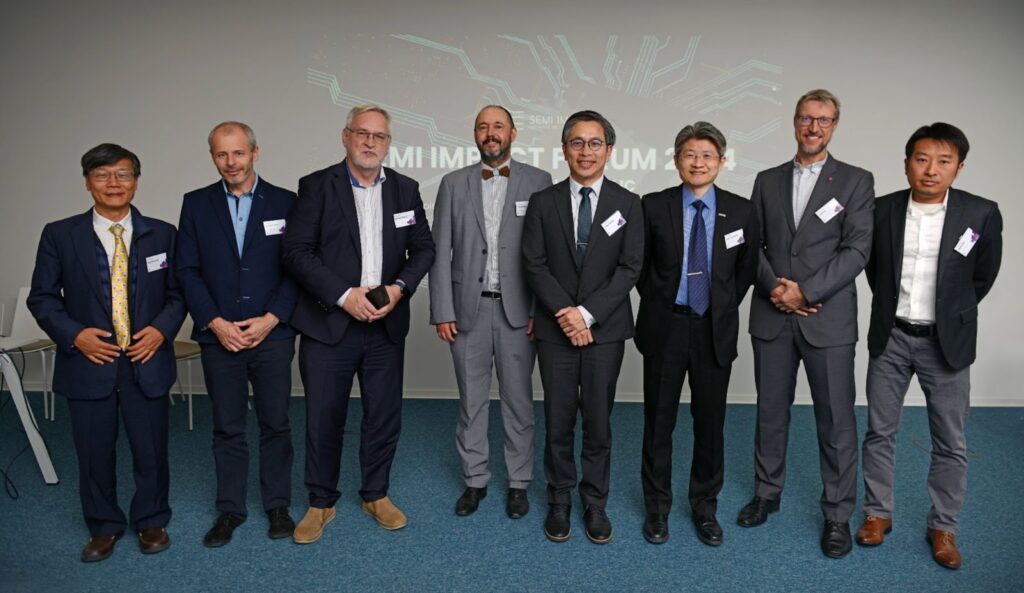
NIAR’s Eight Research Centers: Constructing Cross-Domain Research Synergy
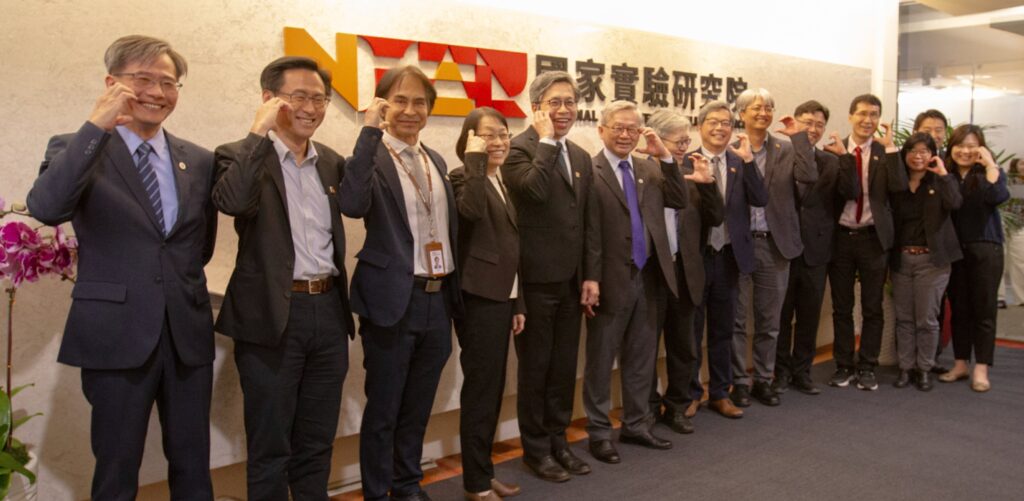
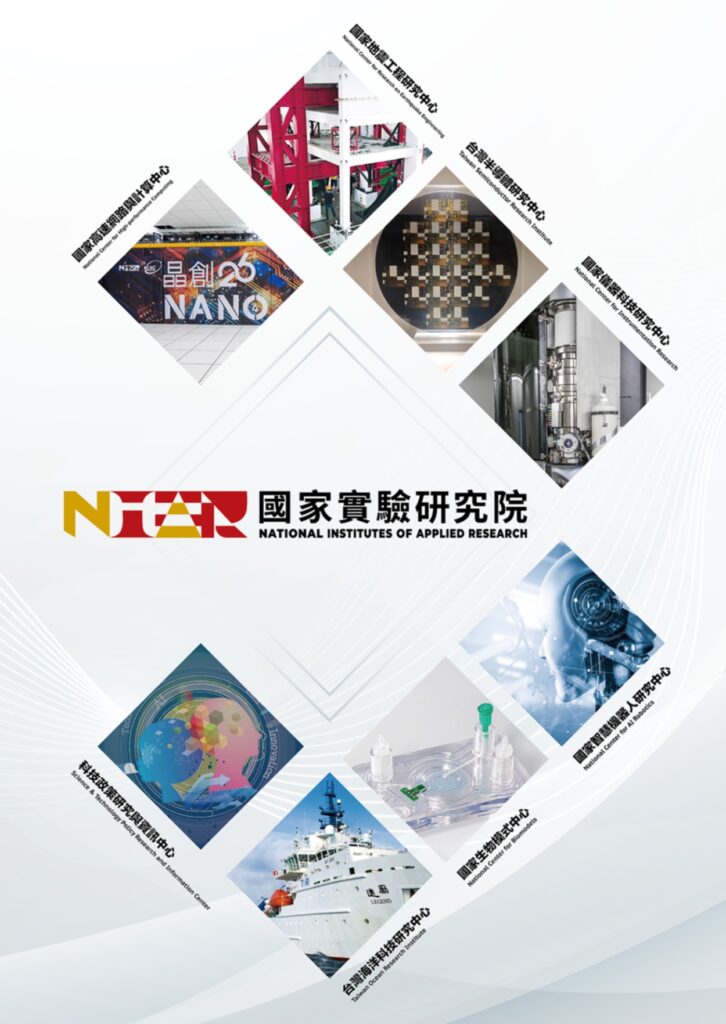
Looking at NIAR’s overall R&D deployment, its eight national-level research centers span a wide range of technological fields.Their true value lies not only in the specialization itself but also in the way their capabilities are interconnected.
In environmental science, the National Center for Research on Earthquake Engineering (NCREE) enhances building safety and disaster resilience through structural validation and data analysis. Meanwhile, the Taiwan Ocean Research Institute (TORI) supports a decision-making basis for geological surveys and marine resource analysis.
The capability linkages in the digital and industrial spheres are even more critical. In the ICT field, the Taiwan Semiconductor Research Institute (TSRI) advances semiconductor process and design technologies, enhancing application reliability through experimental verification. The National Center for Instrumentation Research (NCIR) ensures precision measurement and equipment self-sufficiency, enabling advanced research to be verifiable and replicable. The National Center for High-performance Computing (NCHC) provides large-scale data processing and high-performance computing infrastructure, enabling semiconductor design simulation and large-scale model training. When computing power, design, and validation capabilities work synergistically within the same framework, technological advancement forms a complete process, rather than isolated breakthroughs.
In the biomedical field, the model systems and experimental conditions established by the National Center for Biomodels (NCB) provide a stable foundation for new drug development and precision medicine. These seemingly independent tasks collectively form a national-level network for environmental and infrastructure security capabilities, ensuring that research outcomes do not remain purely theoretical but can directly support public governance.
In the field of science and technology policy, the Science & Technology Policy Research and Information Center (STPI) provides technology trend analysis and policy evaluation, ensuring that technological development and the institutional environment connect and co-evolve. Additionally, the National Center for AI Robotics (NCAIR), scheduled to be established in April this year, will integrate key technologies such as AI, sensors, and control systems, promoting the deployment of cross-domain technologies into actual field testing and application optimization.
Dr. Hung-Yin Tsai points out that these capabilities together form a continuous chain from research and validation to design and real-world implementation. “The real key, besides the technical prowess of any single unit, lies in the stability of the collaborative rhythm between units. When capabilities complement rather than compete with each other, the research system gradually evolves from a collection of specializations into a platform capable of continuously delivering holistic solutions.” Under this framework, NIAR not only presents the unique value of each center but also integrates academic research resources with an overall strategic vision, playing a leading role for the “Taiwan Academic and Research Team,” and joining hands with domestic and international partners to create a new era of borderless science and technology.
Defining the Direction of Research in Times of Change
For any research system, the biggest challenges often arise when choosing a direction. When resources are limited, topics are diverse, and the pace of technological evolution is uneven, decision-makers must make judgments among different possibilities. Dr. Hung-Yin Tsai believes that one of the core tasks of research leadership is to set a clear time horizon for the organization.
“Some research projects can yield applied results within three years, while certain infrastructure developments require over a decade of investment before their value becomes apparent. Without a clear hierarchical plan based on timeframes, resources will be pulled by short-term pressures, making long-term deployments difficult to sustain. The rhythm of decision-making thus becomes a critical factor in the stability of research development.”
In practice, this approach is reflected in resource allocation and prioritization. For high-risk but potentially transformative advanced technologies, NIAR adopts a phased investment strategy, gradually scaling up after early-stage validation to avoid bearing excessive costs at once. For areas with a mature foundation, it strengthens system integration and cross-domain linkages, enabling existing achievements to be transformed into practical applications. “This dynamic adjustment method allows research directions to be corrected according to environmental changes without deviating from the overall development track. The decision-making process is a continuous calibration based on established principles.”
Furthermore, research decisions also involve balancing risk-taking and public accountability. When research involves the use of public resources and the deployment of international cooperation, transparent procedures and clear standards are particularly important. Through institutionalized evaluation and multi-party discussion mechanisms, major projects undergo multiple levels of scrutiny before initiation, making the decision-making process traceable. This governance approach does not pursue speed but emphasizes rationality and sustainability.
Dr. Tsai also stated that one of the core tasks of research leadership is to set a clear time horizon for the organization: “For me, the value of leadership lies in ensuring that every choice withstands the test of time, rather than frequently announcing new projects. Once a research direction is established, it should be advanced steadily, not constantly shifted due to external opinions or short-term trends.”

Hung-Yin Tsai: International Technology Cooperation Includes Computing Infrastructure and Cross-Domain Integration
Looking ahead to 2026 and 2027, Dr. Hung-Yin Tsai pointed out that NIAR will place greater emphasis on AI computing infrastructure and cross-domain technology integration in its international collaborations. With the Cloud Computing Center at the National Center for High-performance Computing (NCHC) now in operation, Taiwan possesses the capability to support large-scale AI model training and high-intensity simulations. The strategic significance of this infrastructure lies in providing a practical, shared platform for international teams, enabling collaboration to transcend one-off research projects.
“When international partners can conduct model training, data analysis, and test validation within the same computing environment, the efficiency and depth of cooperation naturally increase. Computing power thus becomes a substantive foundation for cooperation, not an additional condition.”
Additionally, in advanced fields such as next-generation semiconductors and silicon photonics, NIAR also plans to deepen cross-regional research alliances. These technologies involve material innovation, process optimization, and system integration, requiring the combination of multiple areas of expertise to advance. Dr. Tsai particularly emphasized that through long-term connections with European research institutions, both sides can form a division of labor and collaboration model at the design validation and application development levels, allowing research achievements to enter industrial testing phases more quickly. This type of collaboration emphasizes complementarity rather than competition, with the goal of jointly enhancing technological maturity, rather than vying for unilateral dominance.
At the end of the interview, Dr. Tsai also mentioned that the establishment of the National Center for AI Robotics (NCAIR) marks a new phase in applied integration. By bringing together AI algorithms, sensing technologies, and control systems, research achievements can be repeatedly tested and optimized in real-world environments.
“In the next two years, NIAR will promote more field-oriented cooperation projects, directly connecting technologies with application scenarios like transportation, manufacturing, and energy. This cooperation model—supported by computing power, driven by cross-domain technology integration, and validated by real-world testing fields—will become an important feature of Taiwan’s participation in international technology cooperation. I hope that through these concrete deployments, NIAR can establish a stable presence in the global research network, ensuring that Taiwan’s technological capabilities are not only visible globally, but also actively embedded in international innovation networks.”
Recommend for you:
Euro–Asia Collaboration on Sustainability: Redefining the Global Order