
The global semiconductor industry is going through changes nobody could have predicted ten years ago. For decades, the logic was simple: make things where it makes the most economic sense. Taiwan handled manufacturing, America dominated design, and Europe focused on the specialized equipment and materials needed to make it all work. It was efficient, it was globalized, and it worked.
Then chips stopped being just another component. They became strategic assets. Governments started talking about supply chain resilience and technological sovereignty like their national security depended on it, because in many ways, it does. Suddenly, the rules of the game shifted. Talent, technology, and industrial ecosystems became the new battlegrounds, and international cooperation had to be rethought from the ground up.
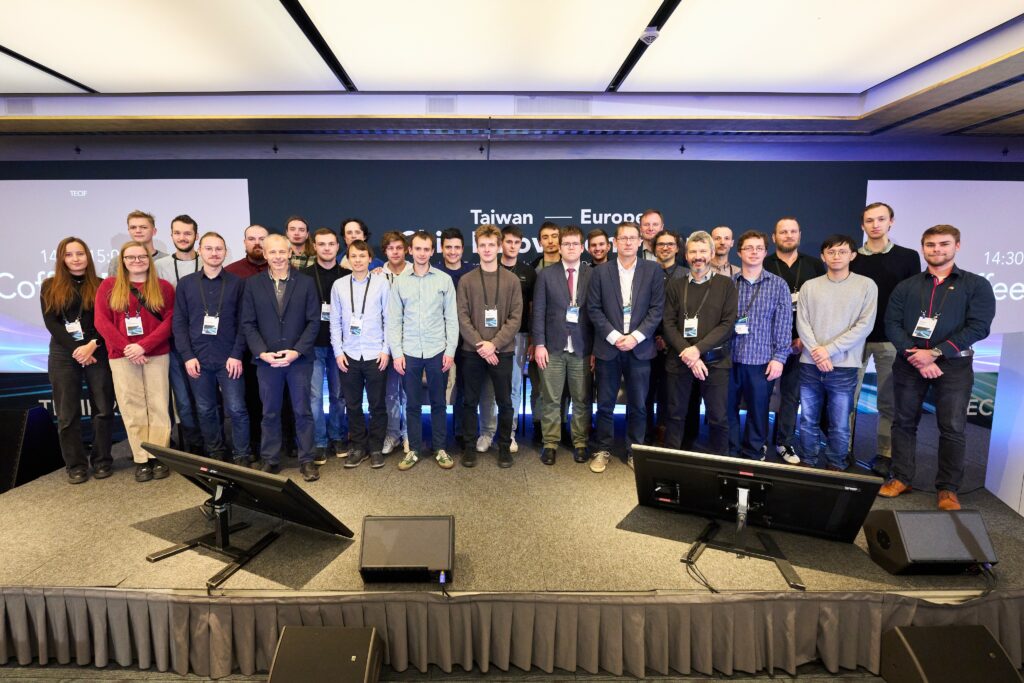
In the middle of this realignment, something interesting has been taking shape. With support from Taiwan’s Ministry of Foreign Affairs, a cross-border initiative called the Advanced Chip Design Research Center (ACDRC) has been quietly building bridges between Taiwan and the Czech Republic. It is not just another academic exchange program. It is a structured platform designed to connect two very different but surprisingly complementary semiconductor ecosystems.
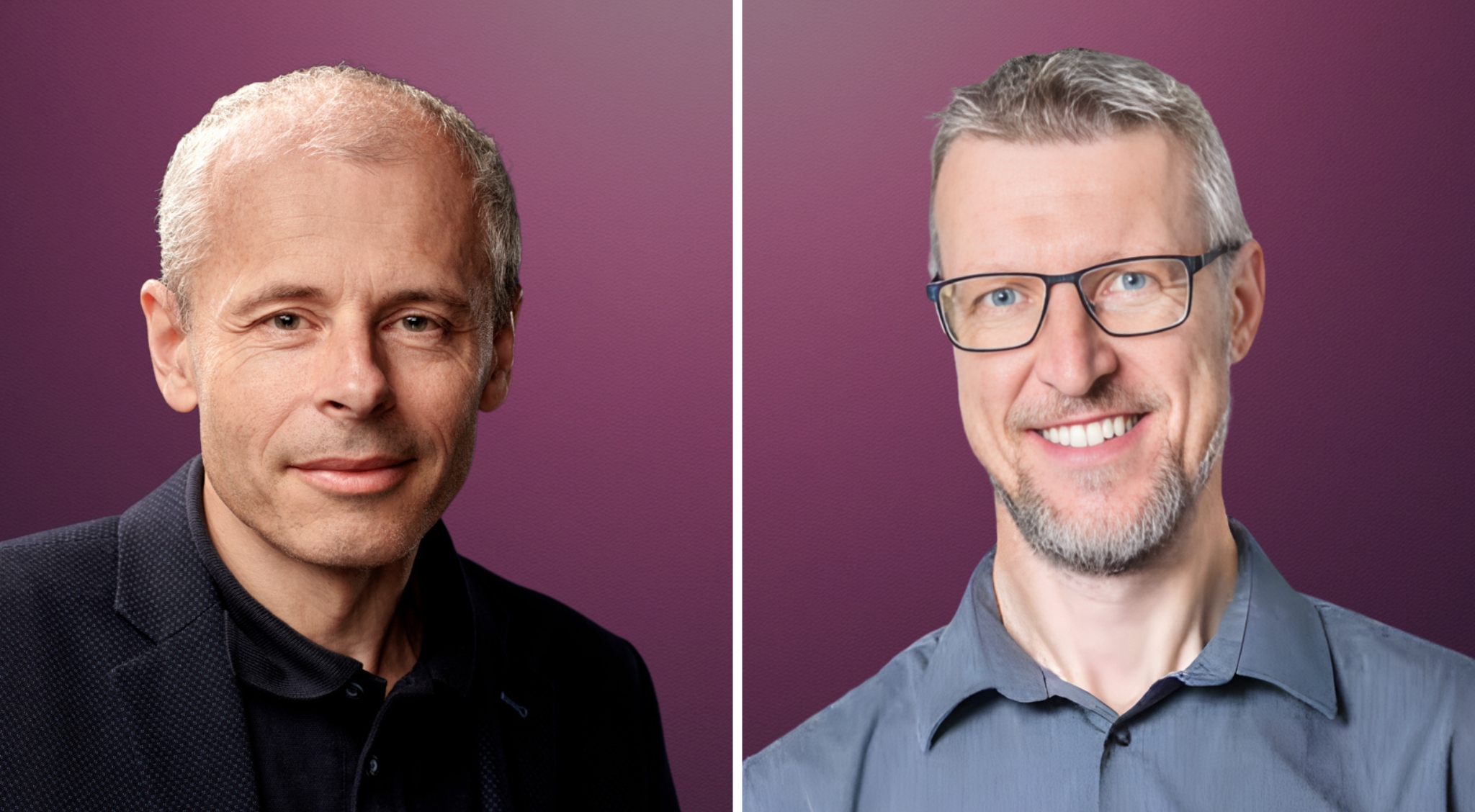
On the Taiwan side, the center is driven by the National Institutes of Applied Research (NIAR). The Czech counterpart brings together three institutions: Masaryk University, Brno University of Technology, and Czech Technical University in Prague, operating under the umbrella of the CyberSecurity Hub CZ. The key figures include Jirí Háze, who serves as Director of the ACDRC Center and heads the Microelectronics Department at Brno University of Technology, and Jirí Jakovenko, a professor and vice dean at Czech Technical University in Prague.
When we spoke with them, both emphasized that this is not just about signing agreements and holding conferences. The center was built to do real work, training people, conducting research, and bringing industry into the conversation from day one. At a moment when everyone is worried about supply chains and who controls critical technology, this Taiwan-Czech partnership offers a different way of thinking about what international collaboration can look like.
Two Ways of Teaching, One Goal
If you put Taiwanese and Czech engineering education side by side, you would struggle to find two approaches that look more different. And that, it turns out, is exactly the point.
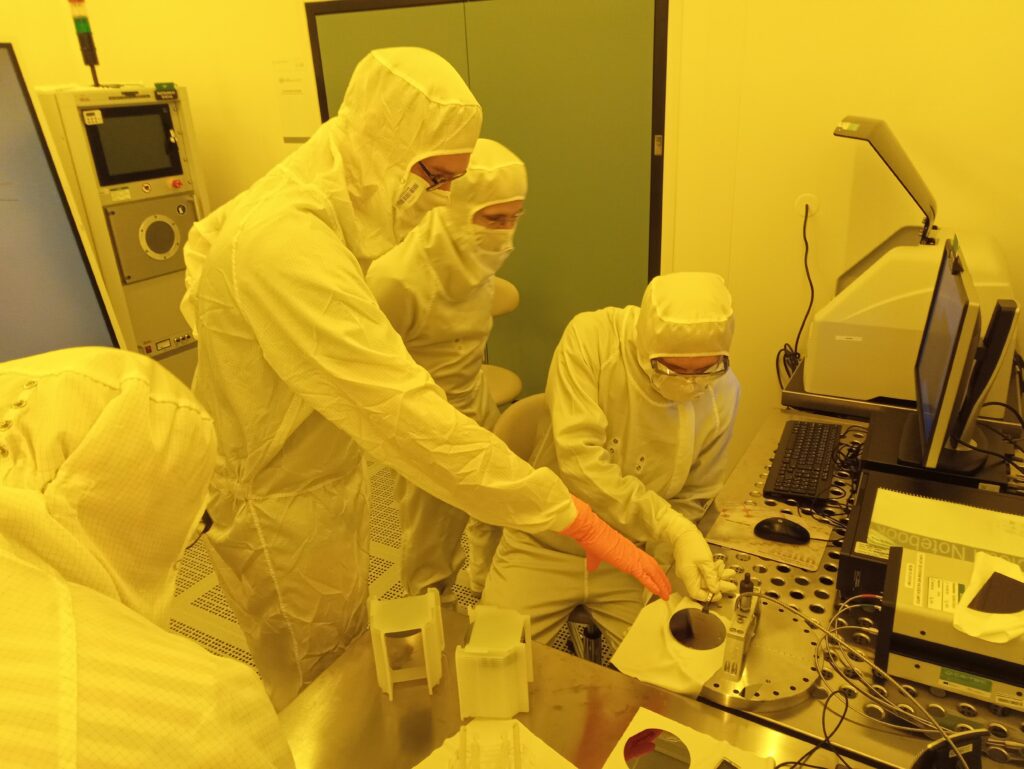
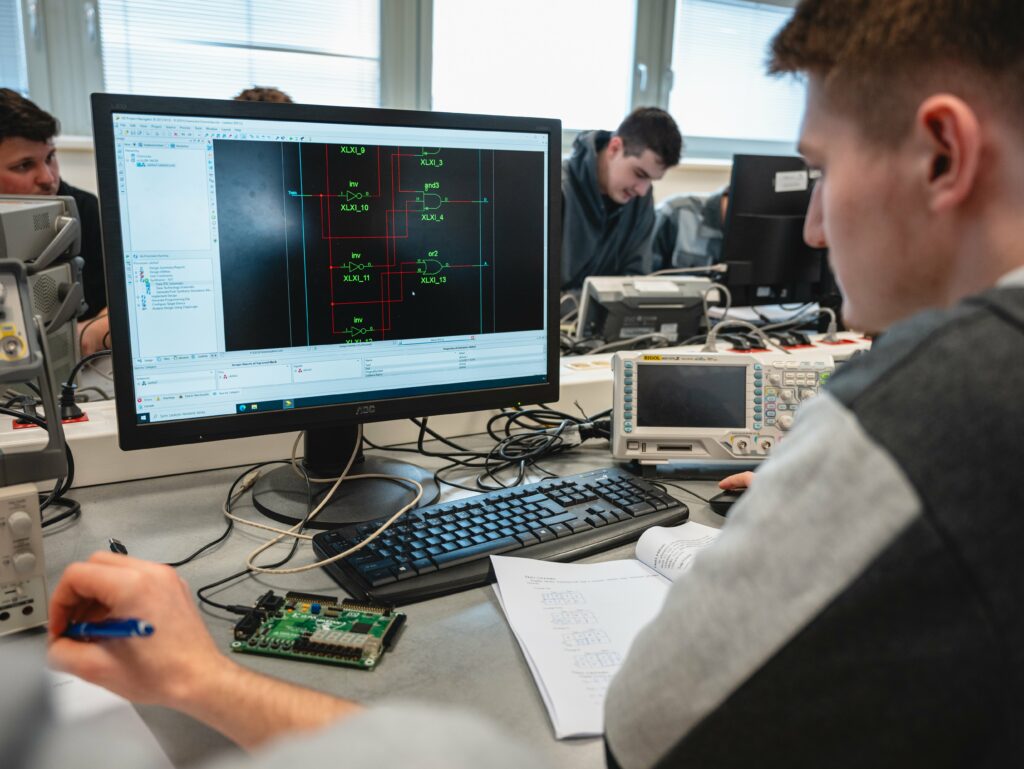
Taiwan’s semiconductor industry is a tightly integrated machine. Design, manufacturing, packaging, testing, it is all there, often within driving distance. Universities have built themselves around this reality. Students spend their undergraduate years in cleanrooms. They work on company projects. They learn the tools and processes they will use in their careers before they even graduate. When they enter the job market, they hit the ground running.
Jakovenko has watched this up close. The connection between Taiwanese universities and industry is extraordinarily tight, he told me. Students are working on real manufacturing processes and corporate projects while they are still in school. By the time they finish, they already know how to do the job.
The Czech approach could hardly be more different. It reflects a European tradition that prioritizes theoretical depth over practical training. Students spend years building a foundation in microelectronics, circuit design, materials physics. They learn to think systematically about problems. They understand why a chip works the way it does, not just how to make one.
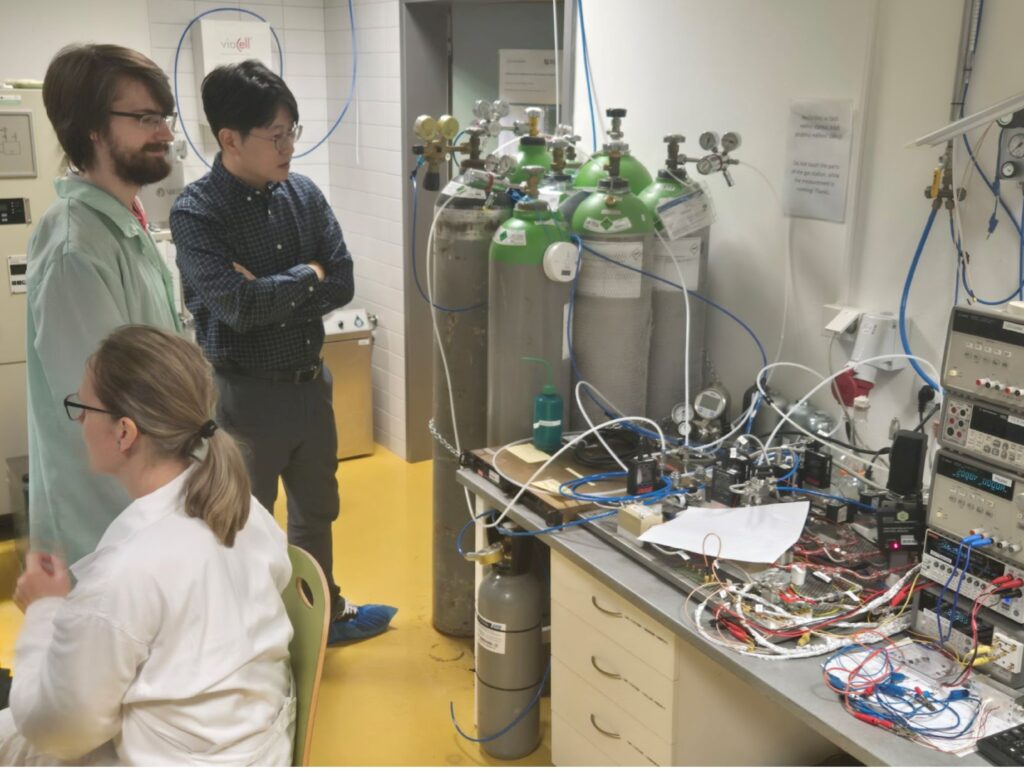
At the same time, the universities maintain long-term cooperation with industrial partners, who provide guidance on the skills students need. Some industry experts also teach courses, and more than half of the instruction is devoted to practical lab or computer exercises. The universities take pride in their facilities, including clean rooms where students gain hands-on experience, which is uncommon in Europe.
Jakovenko sees the tradeoffs clearly. The strength of Czech education is that students develop a deep understanding of entire systems. They do not just learn a process, they understand the principles behind it. But when they started working with Taiwan, they saw something else. Students who get exposed to real industrial problems during their studies learn in ways that classrooms cannot replicate. The combination, he believes, is powerful.
Háze thinks about it in structural terms. The Taiwanese partners genuinely appreciate the theoretical depth Czech students bring to problems, he said. They think differently, more systematically. Meanwhile, the Czech side looks at Taiwan and sees how close integration between universities and industry can compress the time it takes to turn a graduate into an engineer. The center was designed to let these two models work alongside each other, each absorbing what the other does best.
The Challenge of Cooperation
Anyone who has worked in international collaboration knows how hard it is to move from a signed memorandum to actual results. The center tries to solve this problem through structure. Two working groups, one focused on talent cultivation and another on research collaboration, break the work down into pieces that can actually be managed and measured.
Háze walked me through how it works. The talent group brings Czech faculty together with Taiwanese universities and companies for curriculum discussions, joint student supervision, research coordination, and industry projects. It flows both ways. When the Czech side designs a new microelectronics course, they might consult with Taiwanese industry about what skills weigh more on the ground. When Taiwanese partners shape a research agenda, they might draw on Czech expertise in system-level design.
The research group operates with a similar philosophy but a different focus. Projects are designed from the start with applications in mind. This is not blue sky academic work. Háze emphasized that the structure deliberately aligns research with industrial needs. Projects that involve direct collaboration with Taiwanese companies are particularly promising because they force everyone to think about technical requirements and market conditions from the beginning, not as an afterthought.
This approach is changing how students experience international exposure. In the past, studying abroad often meant language practice and cultural immersion, valuable but limited. Under this framework, students land in real research environments. They work on actual problems.
Jakovenko has seen the impact in their feedback. The biggest takeaway, students tell him, is understanding the whole development chain. Design, simulation, testing, deployment, they see how it all connects. Working in Taiwan pushes them technically, but it also builds confidence in navigating international teams and thinking globally about their work.
The Moment It Became Real
Every collaboration has a turning point, the moment when participants stop treating it as a temporary project and start seeing it as something worth building for the long term. For this center, that moment came around the second year.
The first students returned from Taiwan with stories about what they had learned. Jointly supervised papers started appearing in journals. Industry partners, having seen what the collaboration could do, began proposing their own research questions. The pieces started fitting together.
Háze described watching this shift happen. Activities that began as exchanges started becoming routine. Training programs under the talent group became regular events. Research collaborations under the other group kept expanding. When partners started applying for additional funding to extend projects within the existing framework, it signaled something important. They were no longer treating this as an experiment. They were investing in a relationship they expected to last.
That kind of institutional commitment matters for reasons beyond just continuity. It builds trust, and in semiconductors, trust is everything. Háze pointed out that cross-border technical collaboration inevitably runs into sensitive territory. Intellectual property, concerns about technology transfer, commercial secrets, these issues do not go away just because everyone has good intentions. The only way through them is relationships built over time. When people trust each other, they can have honest conversations about risks and boundaries. Without that trust, collaboration never moves past the superficial stage.
Jakovenko sees this playing out in the details of joint research. When you co-supervise PhD students from two different countries, you have to agree on basic questions. What is the goal of the research? Who owns the results? How and when can findings be published? Those conversations require a foundation of mutual confidence. Once that foundation is there, the conversation shifts. People stop worrying about protecting themselves and start asking how they can make the work more valuable together.
Bridging the Valley of Death
There is a well known problem in technology development. Great ideas come out of university labs all the time. Many of them never go anywhere. The gap between a promising concept and a viable product is wide, and most innovations die somewhere in between. Researchers call it the valley of death.
The center was designed with this problem in mind. Háze explained the logic. In Europe, moving from academic research to market deployment requires coordination among universities, industry partners, and applied research organizations. The center tries to accelerate that process by getting everyone involved early. When industry comes to the table at the project planning stage, research teams think differently. They worry about whether something can be manufactured at scale. They consider cost. They pay attention to how mature a technology really is. Those questions do not naturally occur to academics focused on publishing papers, but they are exactly the questions that determine whether a discovery ever becomes a product.
This applied focus is shifting how young researchers in the Czech Republic think about their work. For a long time, academic success was measured in publications and citations. Those things still matter, but Jakovenko has noticed something changing. More young scholars are starting to care about whether their research actually does something in the world.
He also sees it in the job market. PhD students and postdocs who have been through this program are unusually competitive when they start looking for positions. They have the academic credentials, but they also know how to work across cultures, how to understand what industry needs, and how to translate their technical knowledge into practical solutions. That combination is rare, and European high tech companies are beginning to notice.
There is a concrete example playing out right now. Jmem Tek, a Taiwanese semiconductor startup that got involved in the center’s research activities, decided late last year to open a subsidiary in Prague. They will hold an official opening in April, bringing together representatives from government, industry, and academia from both countries. The company started with academic connections. Those connections led to research collaboration. That collaboration led to enough trust that they decided to put down roots on the other side of the world. It is exactly the kind of trajectory the center was designed to enable.
Where This Could Go In The Future
We asked both professors what they hope this looks like in ten years. Their answers, independently given, pointed in the same direction.
Háze imagines the center evolving into something broader. A recognized hub for joint doctoral training. An incubator for research that actually matters to industry. A mechanism that connects academic and industrial partners across borders. Eventually, he hopes, it can open up to more partners across Europe and Asia, letting the network grow organically from the foundation they have built.
Jakovenko thinks about it from a European perspective. The continent is rethinking its entire approach to semiconductors. The European Chips Act and various national initiatives are all trying to build more resilient ecosystems. In that context, the center offers something useful. It is not trying to create new institutions from scratch. It takes existing strengths and builds a framework around them. That lightweight but structured approach, he believes, might be exactly what international collaboration in high tech fields needs to look like going forward.
He also offered a final thought that stuck with me. At a moment when semiconductors are at the center of geopolitical competition, when countries are scrambling to build walls and hoard talent, this partnership suggests a different path. Instead of trying to go it alone, it brings complementary strengths together. Instead of treating knowledge as something to protect, it treats it as something that grows when it flows.
Háze put it simply. Real technological sovereignty, he said, does not mean closing yourself off. It means having the ability to collaborate globally and benefit from it. In an era defined by competition over chips and the people who design them, that is a lesson worth remembering.
Recommend for you:
Euro–Asia Collaboration on Sustainability: Redefining the Global Order