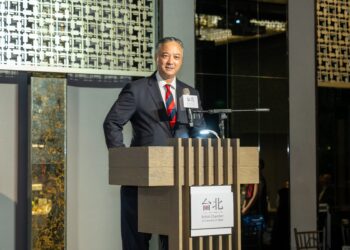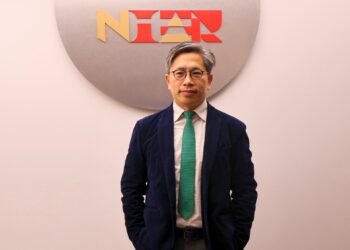

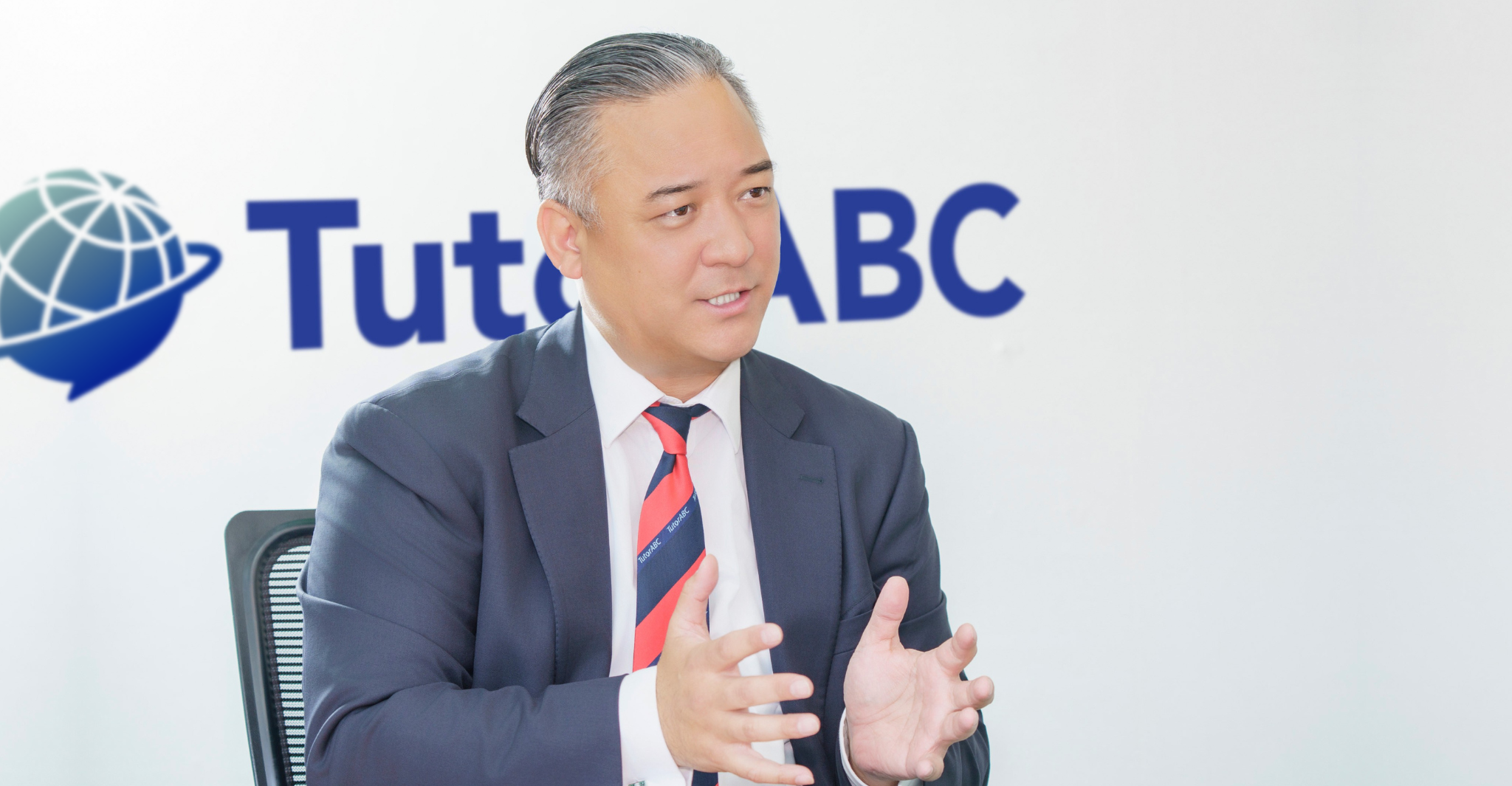
As ESG moves from policy ambition to real-world implementation, businesses face a new challenge: ensuring employees truly understand and apply ESG in their everyday work. In an exclusive interview with The Icons APAC, Samuel Yang, CFA, Chairman of the British Chamber of Commerce in Taipei (BCCT) and Co-Chairman and CEO of TutorABC, discusses the evolution of the Better Business Awards, the role of sponsors, and why education is considered the final mile of ESG.
Q: ESG has become a central topic for companies worldwide. From your perspective, what has really changed in recent years?
What has changed most is the expectation. ESG is no longer something companies talk about at board level and then delegate to a small team. Today, it affects how people work, communicate, and make decisions across the organisation.
Many companies understand the importance of ESG, but the real challenge now is practical: how do you make sure teams actually understand what it means for their daily work? That’s where the conversation has shifted.
Q: The BCCT Better Business Awards are now in their ninth year. What role do they play in Taiwan’s business landscape?
The Better Business Awards have become a platform for recognising companies that are genuinely leading by example. Over the years, we’ve seen how powerful recognition can be in encouraging higher standards and sharing best practice.
But just as importantly, the Awards convene a community — business leaders, policymakers, educators, and sponsors — who care about long-term value, not just short-term performance. That convening role is something BCCT takes very seriously.
Q: Why was it important to go beyond awards and launch the ESG Talent Masterclass?
Awards show us what good looks like. But many companies then ask, “How do we get there ourselves?”
The ESG Talent Masterclass is a natural extension of the Awards. It takes real examples, lessons, and insights from award-winning companies and translates them into learning that people can actually use. The goal is simple: help organisations put ESG into everyday business practice.
Q: Sponsors play a prominent role in the Better Business Awards. What do you think motivates them to support the platform?
Our sponsors are not passive supporters. They are organisations that believe leadership comes with responsibility.
By sponsoring the Awards, they are making a statement — not only about what they value, but about the standards they want to see across the wider business community. In many cases, these sponsors are already operating at the front line of sustainability, governance, energy transition, education, or talent development. Their involvement reinforces credibility.
Q: You often say that ESG ultimately depends on people. What do companies tend to underestimate here?
People underestimate how much ESG is a communication challenge.
Policies and frameworks matter, but if teams cannot clearly talk about ESG, explain it to colleagues, or work with international partners on these topics, then progress stalls. ESG lives in meetings, emails, presentations, and daily decisions — not just reports.
Q: TutorABC is best known for language education. Why does it make sense for TutorABC to be involved in ESG talent development?
Because language is the working tool of global business.
TutorABC has always focused on helping professionals use language to achieve real business outcomes. ESG today requires teams to communicate clearly across borders, cultures, and functions. Whether it’s working with headquarters, global clients, or international partners, shared understanding is critical.
From that perspective, ESG talent development is a very natural extension of what we already do.
Q: How does language connect to ESG in practical terms?
If people cannot clearly explain ESG goals, discuss challenges, or align expectations, then ESG remains abstract.
Language enables clarity, confidence, and collaboration. It allows teams to move from intention to action. That’s why we see education — particularly practical, work-focused learning — as the final mile of ESG.
Q: The Awards bring together sponsors from energy, finance, law, education, and culture. Why is this ecosystem approach important?
Because sustainability is not solved by one sector alone.
Energy transition, governance, wellbeing, education, and communication are all interconnected. When sponsors from different industries come together on one platform, it creates a more complete picture of what responsible leadership looks like in practice.
That diversity is a real strength of the Better Business Awards.
Q: You lead both an international chamber and a global education company. How do these roles influence each other?
They reinforce the same belief: long-term success depends on people, systems, and standards.
At BCCT, we focus on promoting trade, investment, and international best practice. At TutorABC, we focus on developing people who can operate confidently in global environments. Both roles are ultimately about enabling others to succeed.
Q: Looking ahead, what do you hope the Better Business Awards and ESG Talent Masterclass will achieve?
I hope they continue to raise standards and build confidence.
If companies walk away thinking, “This feels achievable,” and sponsors feel proud to be associated with meaningful progress, then we’re doing the right thing. ESG shouldn’t feel intimidating. With the right partners, education, and leadership, it becomes part of how good businesses operate every day.
Conclusion
As ESG expectations rise, the challenge is moving from defining standards to delivering them in practice. The Better Business Awards recognise organisations setting the benchmark, while the ESG Talent Masterclass focuses on helping others reach it.
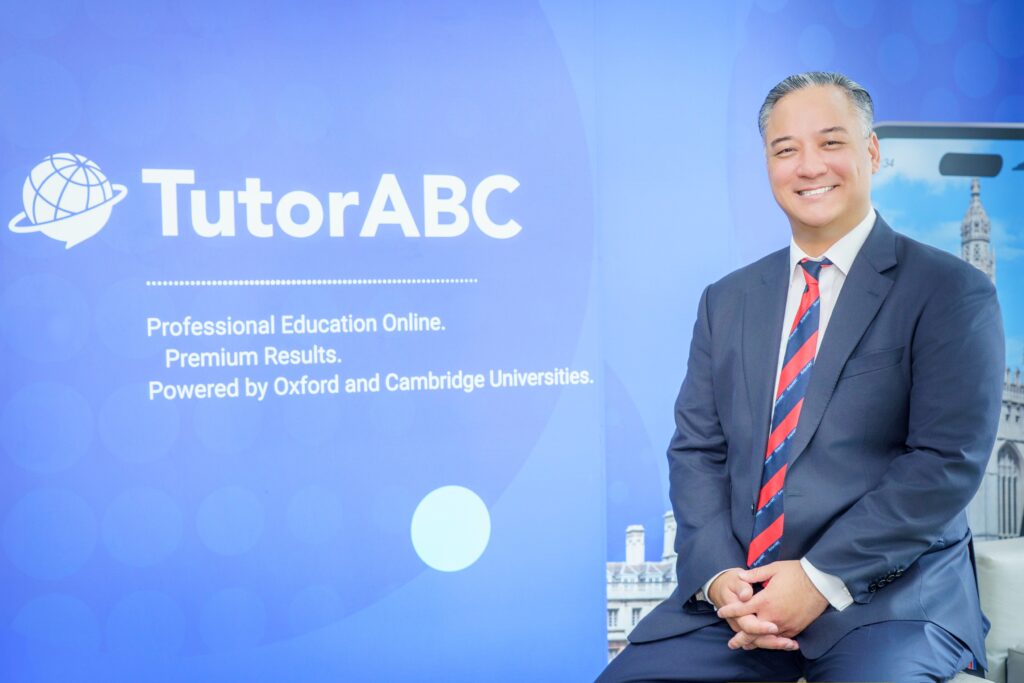
For the CEO of TutorABC, lasting impact depends less on policy than on people — their ability to understand standards, communicate clearly, and apply them in daily work.
Recommend for you:
BCCT Better Business Awards: Recognising ESG Leadership, Sponsorship and Impact