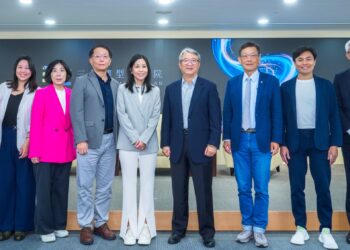

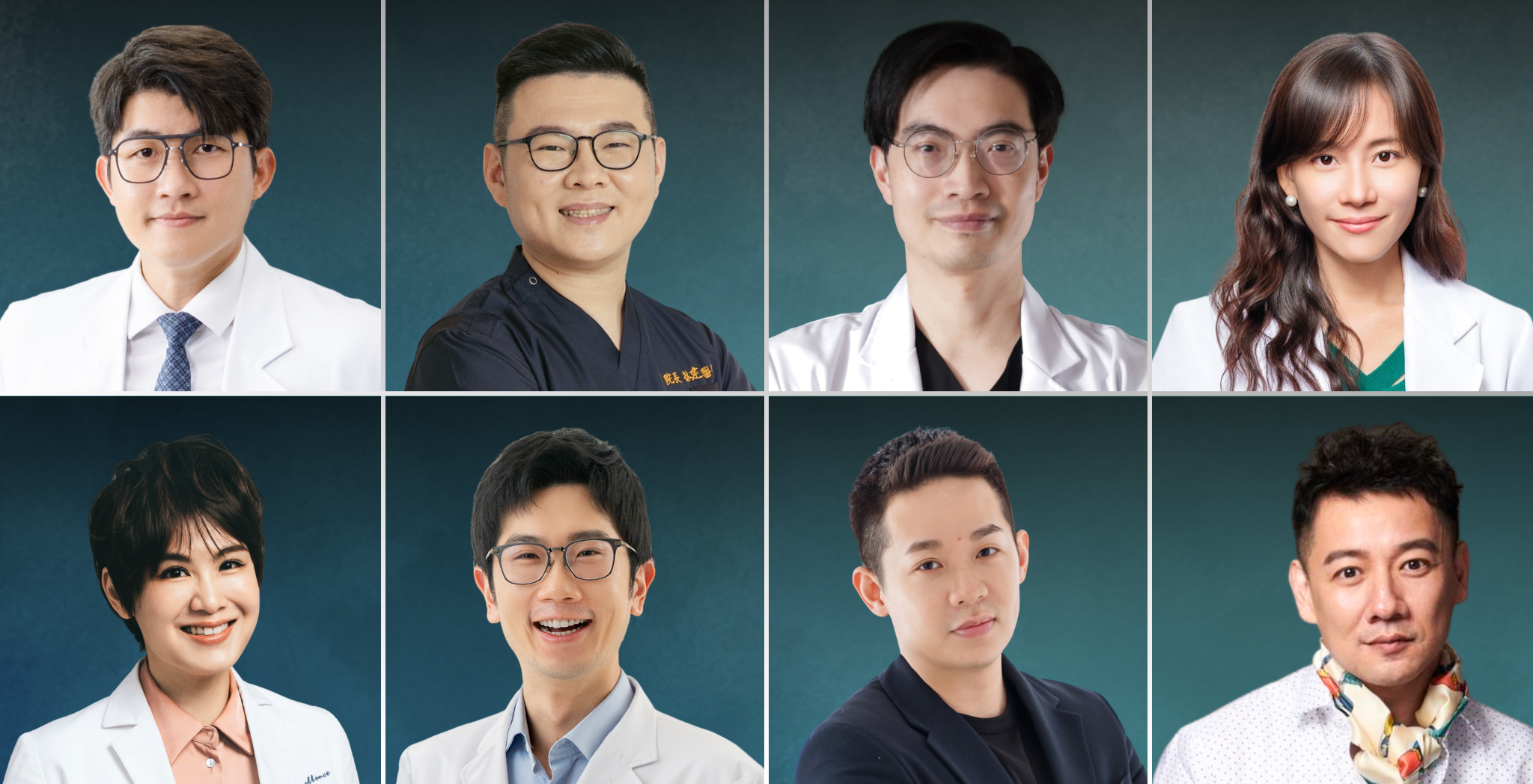
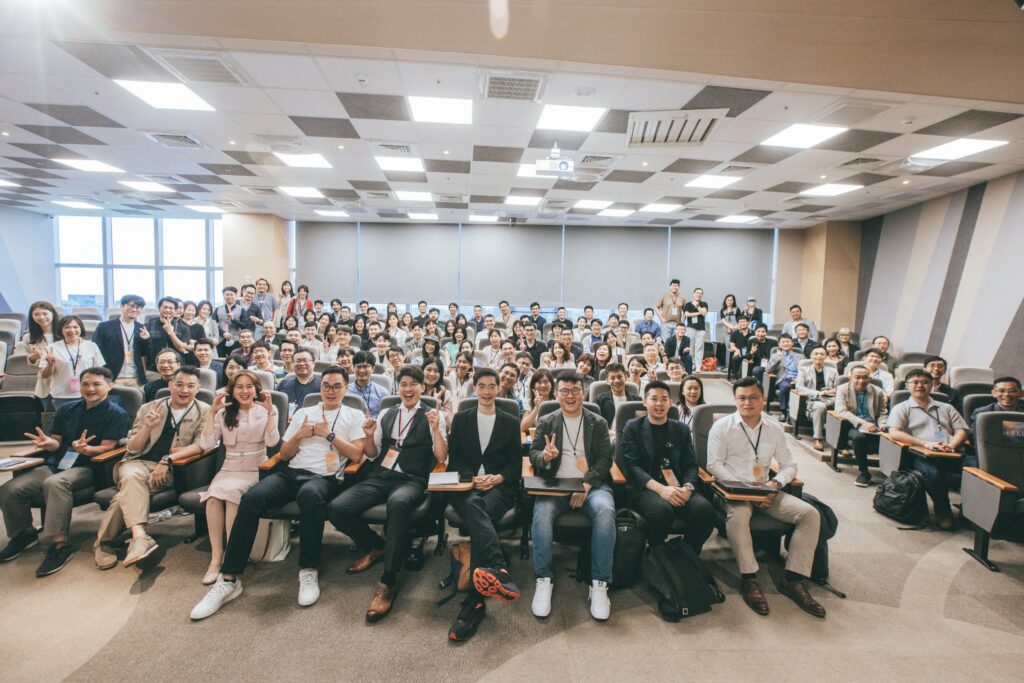
On 27 June 2026, healthcare executives, operators, and practitioners spanning dentistry, psychiatric medicine, functional medicine, Chinese medicine, and health management will gather at the WSICC Weishun International Convention Centre in Hsinchu to participate in the DR.HAO Academy 2026 Annual Summit.
In recent years, the healthcare industry has faced unprecedented shifts. The National Health Insurance system continues to squeeze operational margins, demographic changes have introduced severe labour shortages, and artificial intelligence is rapidly reshaping information acquisition and clinical decision-making models. Many doctors are increasingly finding that the factors determining a clinic’s future success have extended far beyond pure medical technicality; they now encompass organizational structure, brand management, team leadership, and the capacity to adapt to a volatile environment.
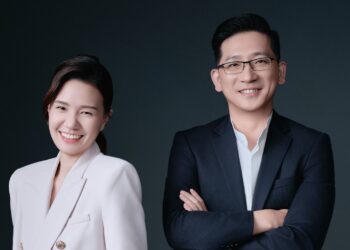
According to Dr. Roger Chang, when a singular clinical perspective can no longer adequately address rapid industry shifts, doctors must fundamentally rethink their career positioning and growth trajectories. The core theme of this year’s summit directly addresses a challenge shared by many medical professionals: how to continuously cultivate capabilities beyond their clinical expertise in an unpredictable climate, thereby forging a more resilient and multi-valued “life beyond the white coat”.
“This is an unprecedented collision of minds that breaks down the boundaries between medical specialities, bringing together Chinese medicine, Western medicine, dentistry, and cross-disciplinary leaders,” Dr. Chang noted. “We are not here to delve into a single medical technique, but to engage in cross-industry exchange, pass down invaluable experience, add value to our white-coat careers, and chart an entirely different path in healthcare.”
A look at this year’s official programme reveals a scope of discussion that extends well beyond the framework of traditional medical conferences. Covering everything from AI applications, digital marketing, and brand validation to organizational management, self-paid healthcare services, preventive medicine, and personal brand building, a diverse line-up of industry practitioners will share their first-hand experiences from both the medical frontline and the executive boardroom. In doing so, they aim to map out a myriad of possibilities for the future evolution of Taiwan’s healthcare industry.
When Doctors Begin to Contemplate Life Beyond the Clinic
Many doctors undergo rigorous, long-term clinical training, yet rarely have the opportunity to systematically learn skills such as business management, brand building, and organizational development. As the healthcare landscape rapidly evolves, these issues, which were seldom discussed in the past, are gradually coming to the forefront for an increasing number of medical professionals.
Dr. Roger Chang, founder of the DR.HAO Academy, has engaged with practitioners across various medical specialities and observed a growing interest in matters outside the consulting room. From talent management and organizational operations to market shifts, many of these challenges have never been part of the traditional medical school curriculum.
“Many doctors work incredibly hard, but past training has predominantly focused on clinical competence,” Dr. Chang noted. “When the environment begins to change, they face many issues that they simply never had the chance to encounter during medical school.”
Consequently, he hopes that by sharing practical insights from diverse fields, more doctors will be able to identify new opportunities behind these industry shifts.
Technology and Labour Shortage Pressures Reshape the Logic of Clinic Management
For many medical institutions, the most pronounced change over the past few years has stemmed from the operating environment. Labour shortages are gradually becoming the norm, prompting clinics to re-evaluate their operational workflows, service models, and market strategies.
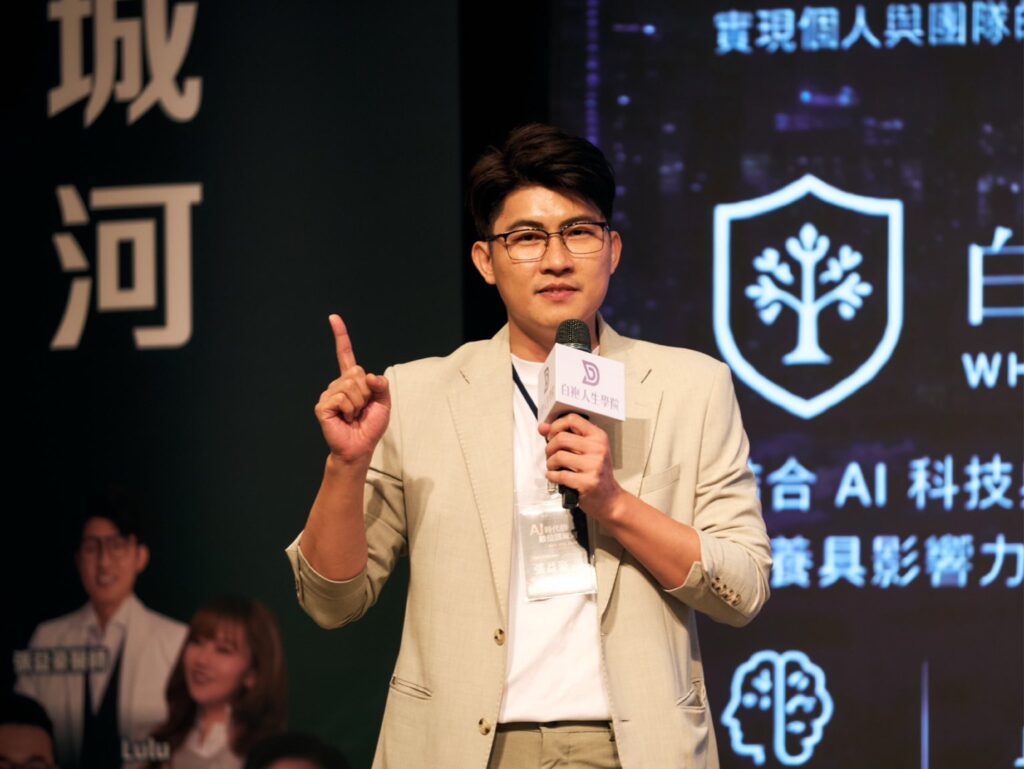
Dr. Chien-yu Lin, Director of King Dental Clinic, focuses on AI- and data-driven transformation. While clinics have historically accumulated vast amounts of patient data and operational metrics, they have often lacked the tools to analyse and utilise them effectively. With the rapid proliferation of generative AI and digital platforms, this information is now becoming a critical resource for data-driven decision-making.
“In the past, marketing was about getting people to remember your brand,” he explains. “But today, as long as the information you feed into the system is sufficiently unique, AI will remember exactly what kind of brand you are.”
From his perspective, the way patients connect with clinics is fundamentally shifting. As search engines and AI tools increasingly become the primary gateway for the public to access medical information, the impression a brand leaves behind in the digital world directly influences a patient’s very first interaction with a clinic.
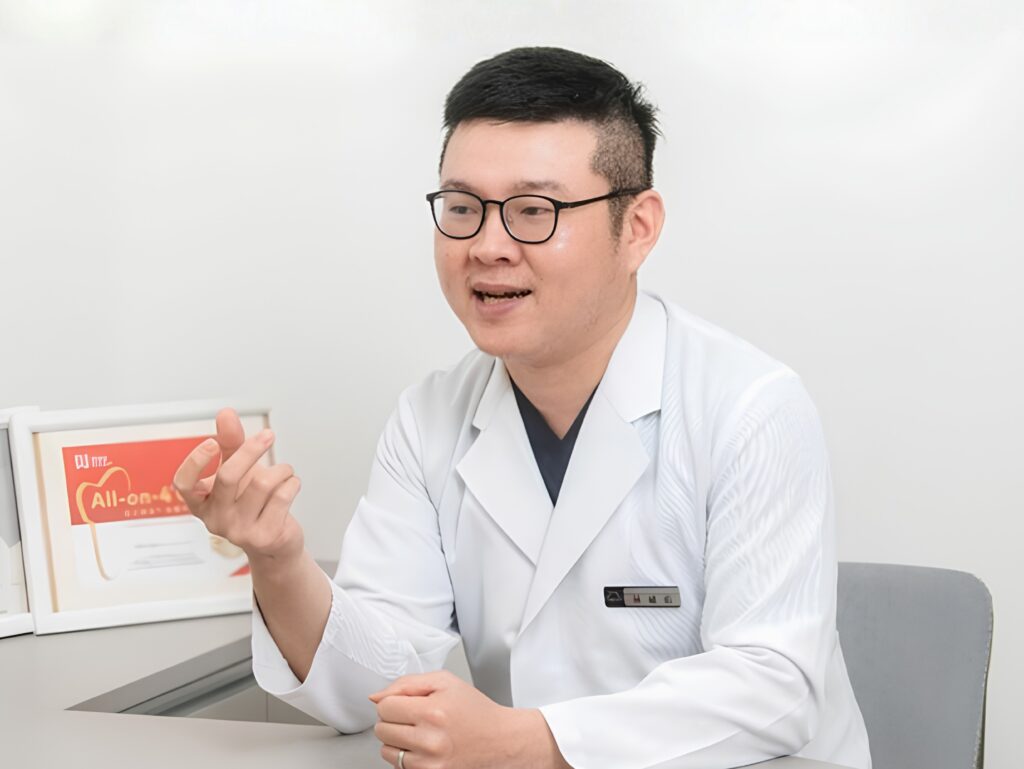
On the other hand, Dr. Michael Tsao, Director of YUE TING TALENT SMART DENTAL, is focusing his attention on operational pressures on the ground. In the face of acute labour shortages, he has implemented automated customer services, real-time knowledge databases, and standardised training systems to mitigate the organisation’s reliance on individual personnel, aiming to ensure the team can sustain stable operations within constrained resources.
When discussing the challenges of the coming years, his focus shifts towards risk management during the transformation process. While numerous medical institutions have entered the self-paid market in recent years, these market opportunities bring substantial operational pressures in their wake.
“Transitioning from National Health Insurance to a self-paid model is inherently a colossal risk,” Dr. Tsao observed. “On many occasions, the transformation does not yield the expected results, yet operational costs have already spiralled out of control to the ends of the earth.” In a rapidly shifting market environment, growth and risk are invariably intertwined. Discerning how to pace this transformation and maintain operational stability has become a pivotal new challenge that many medical practices must confront.
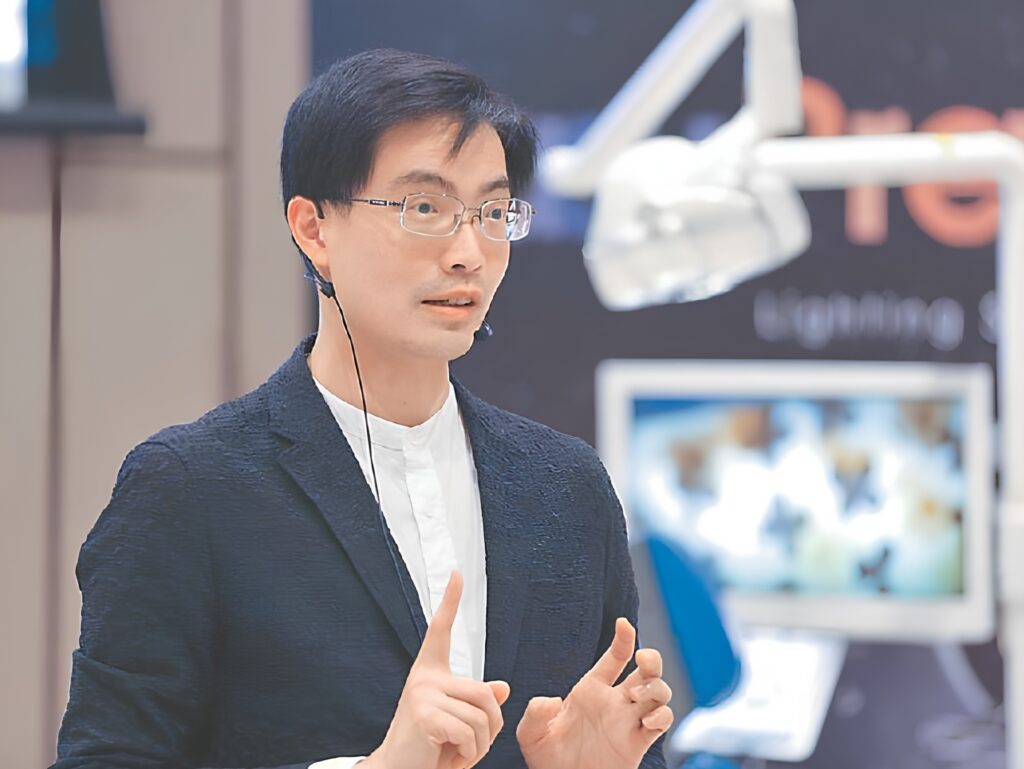
From Clinic Management to Health Management: Extending the Healthcare Value Chain
As clinics expand in scale and their services become increasingly diverse, more and more doctors are encountering management issues they rarely encountered in the past. From talent cultivation and institutional development to cross-clinic collaboration, business operations and management are steadily becoming critical capabilities outside of core medical expertise.
Dr. Chin Cheng, Superintendent of GOOD DAY PSYCHIATRIC CLINIC, has actively driven the development of multi-clinic systems in recent years and has experienced first-hand the challenges brought about by organizational growth. She noted that when a clinic transitions from single-site operations to a multi-centre systematic network, the challenges executives face extend far beyond clinical services into organisational culture, management systems, and team operations.
“Managing one or two clinics is entirely different from managing three, four, or even an entire system,” she observed.
In her view, the gap between healthcare institutions is increasingly reflected in management capacity and organizational stability, rather than competition based solely on individual clinical techniques.
![Woman in a black uniform standing at a marble reception desk, smiling at the camera while holding a red pen.]',']}{](https://theicons.com/wp-content/uploads/2026/06/4-2-1024x769.jpg)
At the other end of the industry, the preventive medicine and health management market continues to experience steady growth.
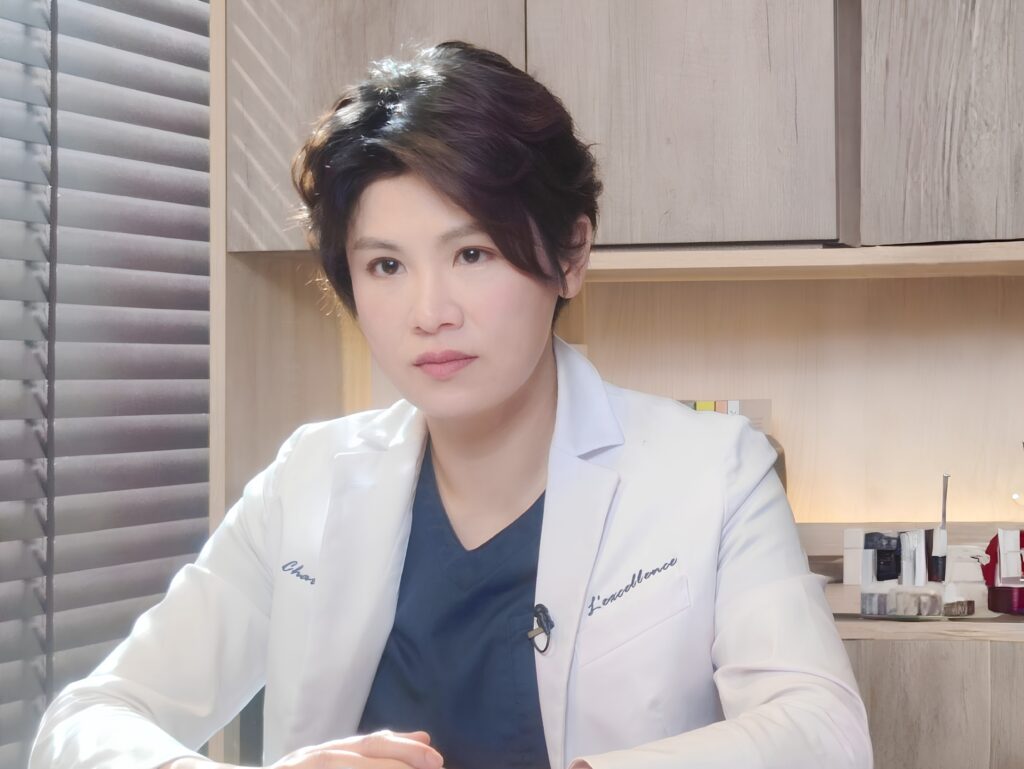
Dr. Charlene Chen, Director of L’EXCELLENCE Clinic, is focusing her attention on the development of personalized health management. She pointed out that traditional health management models, which are built upon general medicine and standardized recommendations, are increasingly failing to meet the diverse needs of different demographic groups.
“The next stage will move towards value-added healthcare for wellness,” Dr. Chen observed. In her view, an increasing proportion of future medical services will revolve around personal health maintenance. As metabolic testing, precision nutrition, and digital health tools become more sophisticated, the timing of medical interventions is continuously shifting earlier.
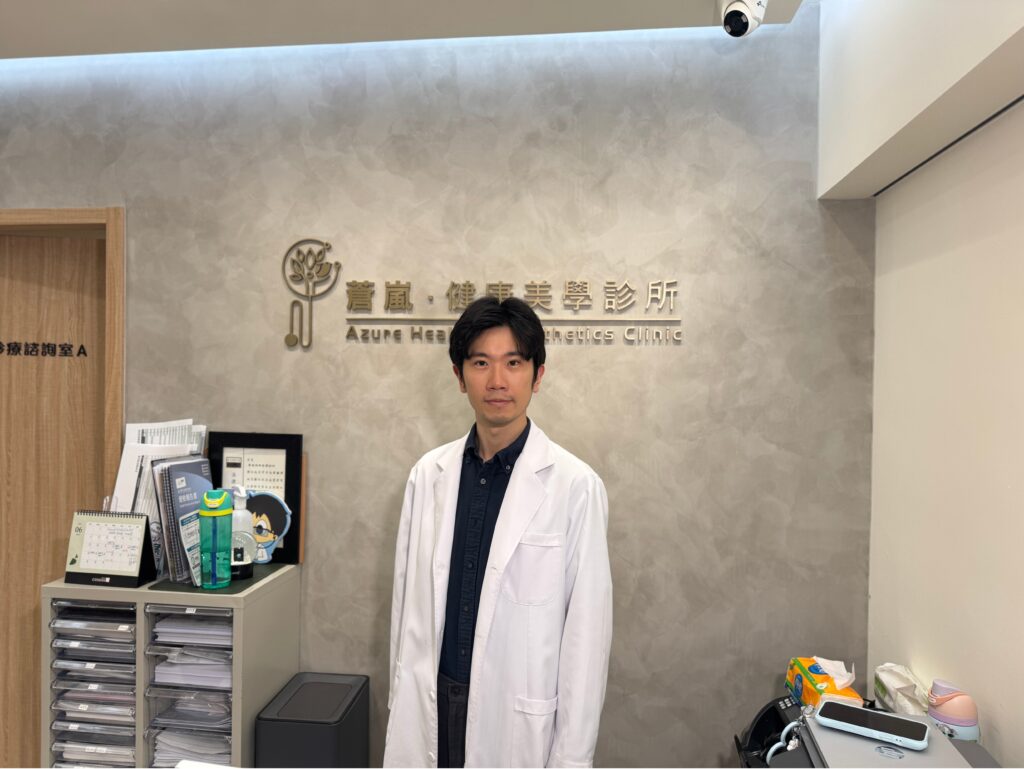
Dr. BluePigeon, Director of Azure Health & Aesthetics Clinic, has observed a similar trend on the clinical frontline. In recent years, an increasing number of people have been willing to invest in long-term health management. Moving from weight loss and metabolic control to preventive medicine planning, the public’s focus has gradually expanded from merely managing illness to optimising overall well-being.
“Helping people look after their health first, losing weight and getting the ‘three hypers’ (high blood pressure, high blood sugar, and high cholesterol) under control, is the most crucial element in all of this, which is actually building solid trust,” Dr. BluePigeon notes.
He believes that what accumulates through long-term health management, beyond successful clinical outcomes, is the patient’s deep trust in the medical team. When the cycle of care extends from a few brief consultations to several months or even years, the doctor-patient relationship naturally develops a far deeper connection.
How Expertise is Seen, Understood, and Trusted
The way patients obtain medical information is shifting rapidly. Search engines, social platforms, and AI tools are steadily becoming the primary gateways for the public to access healthcare information, meaning the pathways through which doctors connect with patients are now completely different from the past.
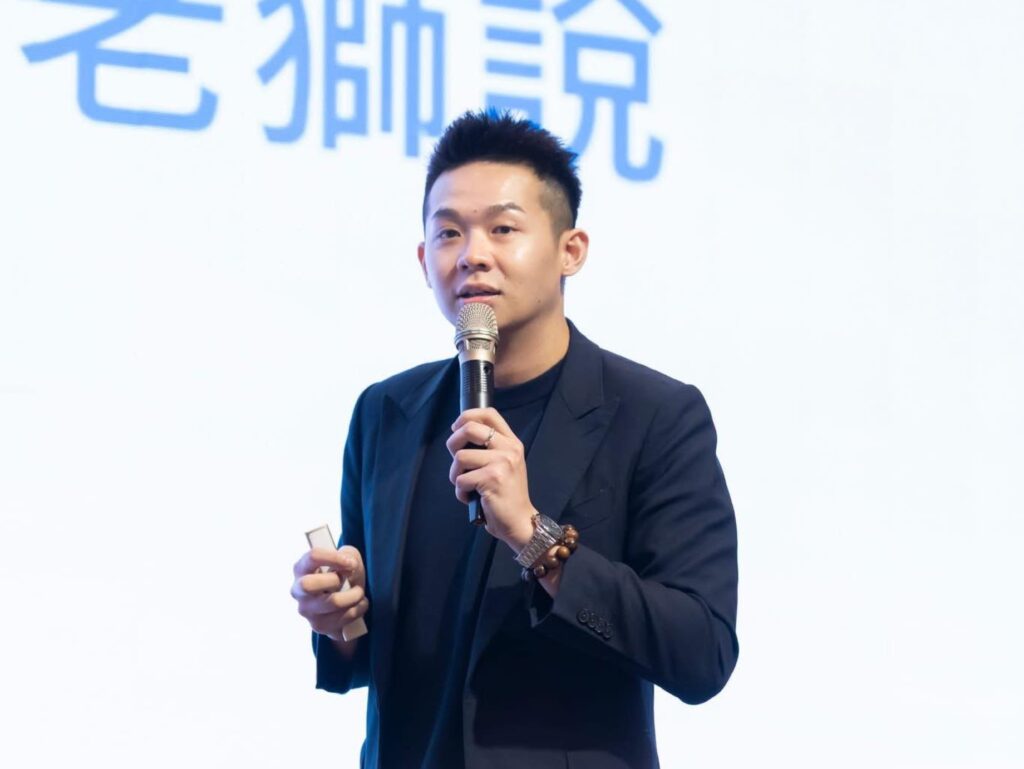
Lion, the founder of Lion Talk, has long assisted doctors in managing their personal brands. Among the numerous cases he has encountered, many doctors possess profound professional backgrounds yet remain accustomed to communicating with the public using the language of academic papers or technical reports. As the pace of information dissemination accelerates, professional content that lacks appropriate adaptation often struggles to enter the wider public view.
“Be willing to lower the complexity barrier to rephrase deep and intricate problems into simpler terms,” Lion observed. He has found that many doctors are beginning to realise that communication skills are just as vital as clinical expertise. From short-form videos to social media platforms, the ways in which patients get to know doctors continue to evolve. Consequently, how professional knowledge is translated into language that the general public can comprehend directly impacts both the speed and depth at which doctors build relationships with their patients.
Leo Wang, who serves as the host for this annual summit, shifts the focus back to the doctor-patient relationship itself.
With the rapid advancement of AI tools, patients can locate doctors much more easily than in the past, and the barriers to accessing medical information continue to drop. However, once a patient actually steps into the clinic, the factors that shape their healthcare experience still fundamentally stem from human-to-human interaction.
“AI is transforming many industries, but the warmth of human connection remains unchanged,” Wang observed. In his view, while technology has enhanced the efficiency of information flow and altered how patients access medical services, what patients ultimately remember in an era of increasingly rapid communication is the genuine interaction between people.
From content dissemination to doctor-patient dynamics, the healthcare industry is navigating a completely new communication landscape. As information becomes more readily accessible, how doctors make their expertise understood, establish trust, and sustain long-term relationships has increasingly become a critical element in building lasting influence.
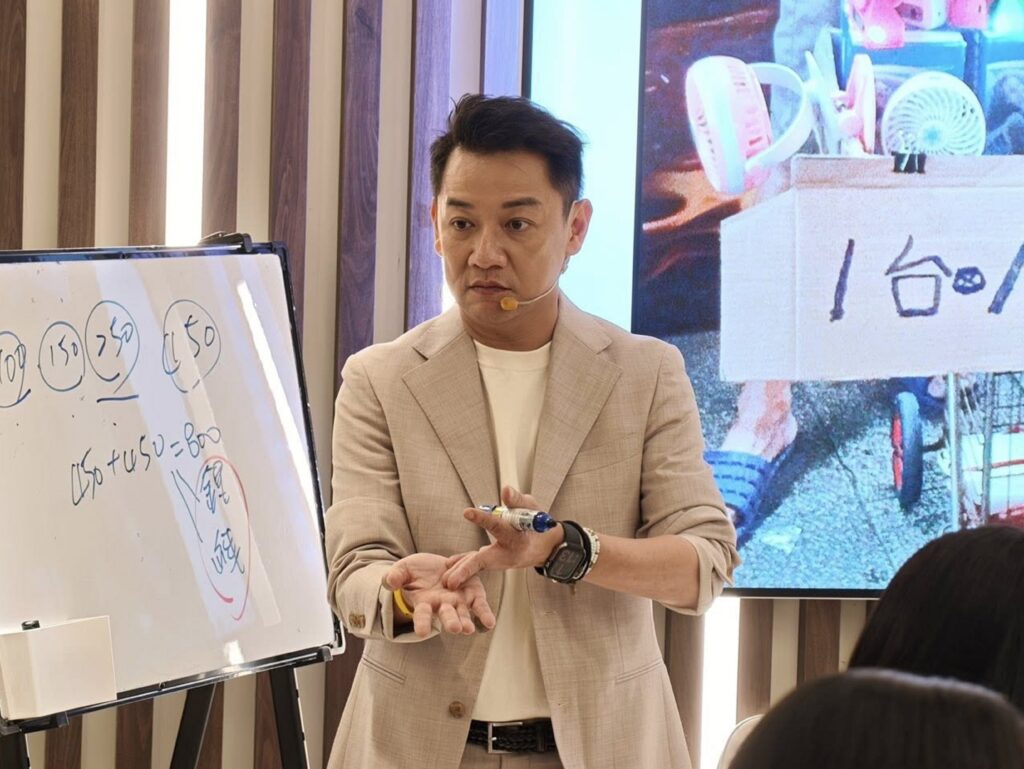
Redefining the Role of the Doctor
Fellow summit speakers Dr. Ricky Chang, Director of Vision Eye Centre, entrepreneur Kim Huang, and Dr. Guan-ren Chen, founder of Fengze Chinese Medical Clinic, will also share their respective insights on healthcare operations and industry development from diverse perspectives.
As an increasing number of doctors confront the fresh challenges brought about by talent acquisition, corporate management, market forces, and technological shifts, the traditional role of the medical professional is progressively expanding. Doctors are transitioning from being strictly clinical practitioners to becoming team leaders, organisational executives, and resource integrators.
This very evolution lies at the heart of why Dr. Roger Chang, founder of the DR.HAO Academy, conceived and structured this annual summit:
“I hope that when attendees leave the venue, they carry with them not just practical knowledge, but a sense of new possibilities. I want them to realise that beyond daily clinical consultations, doctors can chart many different paths for professional and personal development.”
Recommend for more:
Stepping Beyond the Clinic — DR.HAO Academy: Shaping a Personal Narrative Space