
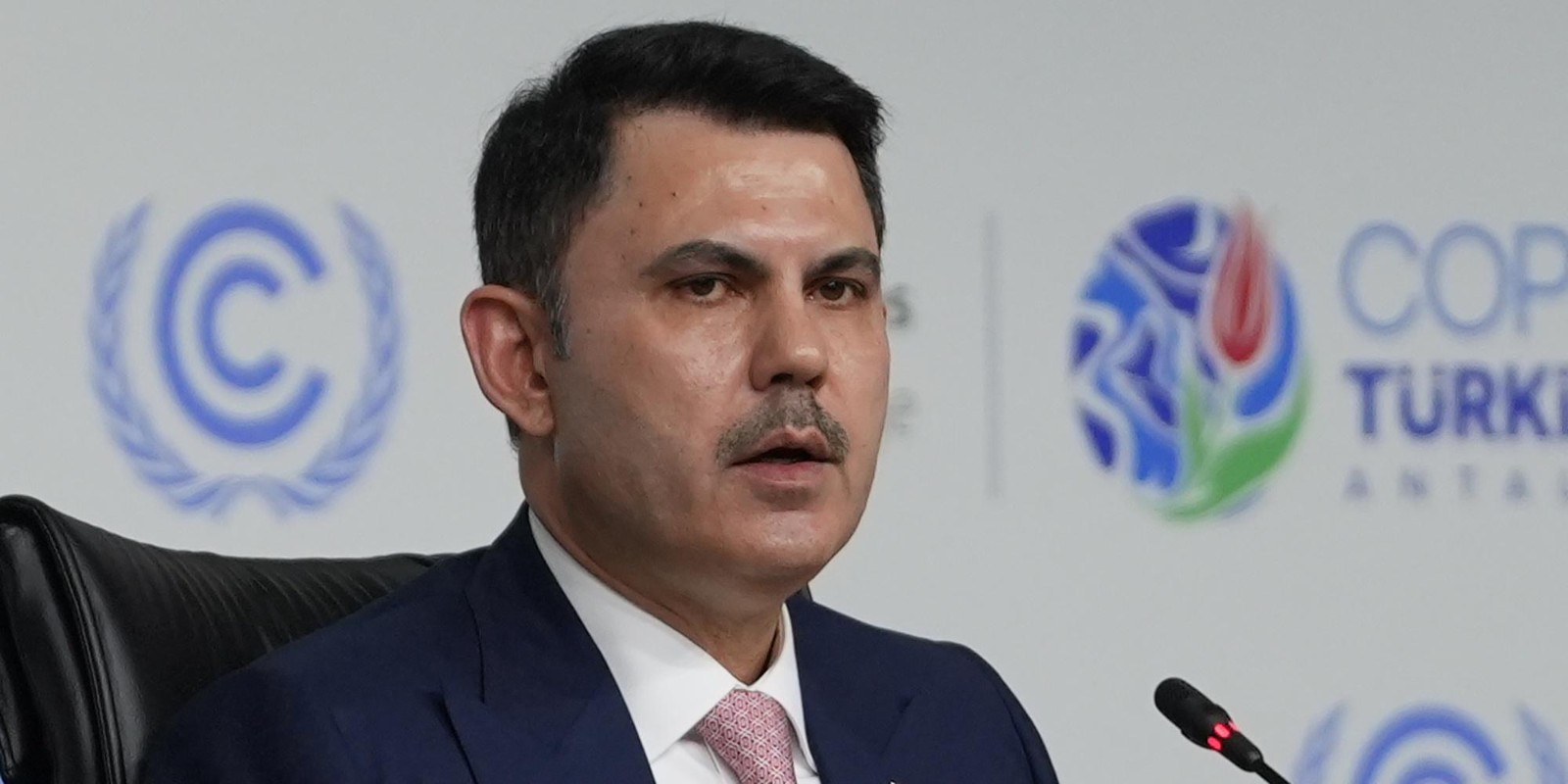
A household judges whether energy is affordable by looking at its bills. A city has to start with its procurement, its grid and its budget for public works. When COP31 opened on 9 November 2026, Murat Kurum, Türkiye’s Minister of Environment, Urbanisation and Climate Change and President of COP31, put these two scales side by side. The decisions made in Antalya, he said, only really begin to work once they leave the conference hall.
Kurum trained as a civil engineer and spent years overseeing housing and urban development in Türkiye. He first became Minister of Environment and Urbanisation in 2018, and after the 2023 earthquakes he was also responsible for rebuilding the affected areas. That background shows in the way he talks about climate: he tends to start with the engineering, the budget and who will do the building. Hosting the conference gave him two jobs at once. He had to get cities, businesses and funders to bring forward projects that could move, and he had to chair the plenary so that Parties with very different positions could put their views into shared text. As early as April, in an open letter to the Parties, he set out dialogue, consensus and action as the Presidency’s three principles and wrote: “In Antalya, the world must turn words into concrete results.”
By 19 November 2026 an electrification action plan had been submitted to the Parties for reference. The evening plenary on 20 November 2026, however, adopted only some decisions, and after two extra days of talks the Presidency’s cover decision still had no consensus. The two speeds of progress show that delivery, in his sense of the word, faces one hurdle inside the venue and another outside it.
From a Global Electrification Target to Investment in Cities and Industry
At the opening Kurum restated the Turkish Presidency’s “35 by 35”
initiative: raising electricity’s share of global final energy consumption to 35% by 2035. The initiative is a voluntary commitment and was not written into the conference’s decisions. The figure moves attention beyond power plants. Whether buses can be replaced with electric ones, whether buildings can switch to electric heating and whether factories can run some processes on electricity are the concrete places where that share has to grow.
Take public transport. Before a city buys vehicles, it has to plan power supply for its depots, charging times and maintenance. A factory replacing process equipment has to fit in with grid expansion and the maintenance schedule of its existing lines. None of these costs show up if you only count how much clean power is generated. When Kurum spoke in the same speech about clean public transport, more efficient buildings and energy that residents can afford, he was describing how one target finds its way into different budgets and purchases.
The electrification action plan published on 19 November 2026 brings grids, access to electricity, transport and industry together. According to the official figures it involves more than 150 countries, the European Union, 37 cities and over 260 companies. It is a list of work put forward by many different participants. On the ground, each plan still needs someone to carry it out and a place in a budget before anyone knows which can break ground first.
Climate Finance for Local Projects
“Trust is also infrastructure for climate action.”
Kurum used the line to explain why the timing of finance matters. The climate action matchmaking idea he presented aims to connect those who have money with projects that lack it. For a local government, a project that can be handed to a funder for assessment also needs a clear proposal, clear responsibility for delivery and a plan for maintenance.
This also explains why the same opening speech covered zero waste. Reducing, recycling and reusing resources, like electrifying buses, touch a city’s existing procurement, facilities and maintenance budgets. National government can set the direction, but local authorities need to know which department takes over, what happens to old equipment and where next year’s operating costs will come from. By putting these issues on one Action Agenda, Kurum gave cities a reason to bring their own projects into climate cooperation.
In his opening remarks Kurum referred to the target agreed in Baku: at least US$300 billion a year in climate finance for developing countries by 2035. Seen from a city, several layers of work separate a global target from a single project. Which city can present a costed plan, whether it can secure long term finance and whether there will be money to run the project once it is built: each step affects whether finance arrives. The point of the Presidency’s matchmaking idea is to let the people involved find each other before all of these conditions are in place.
From Divided Parties to Local Delivery
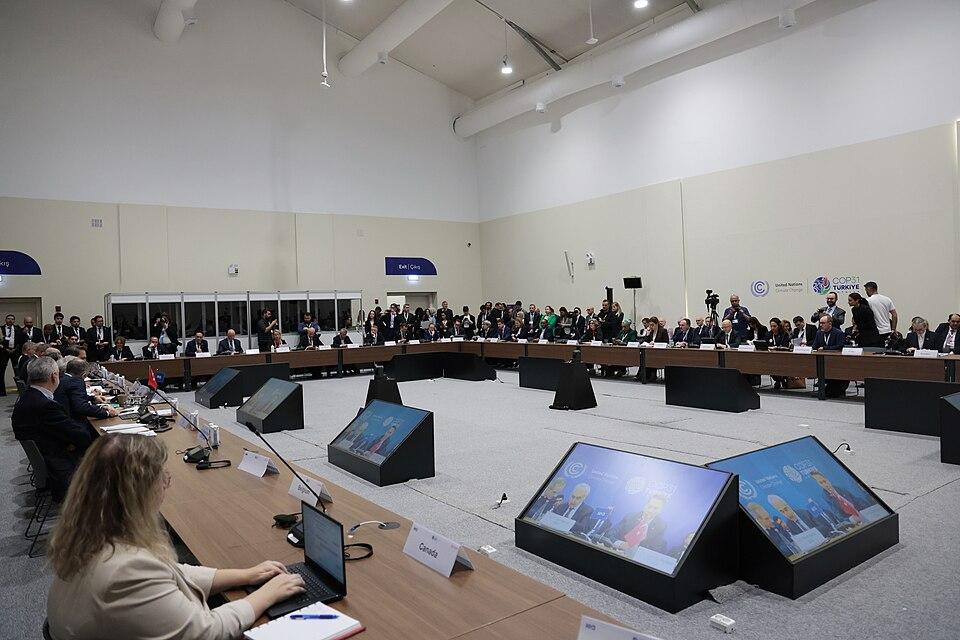
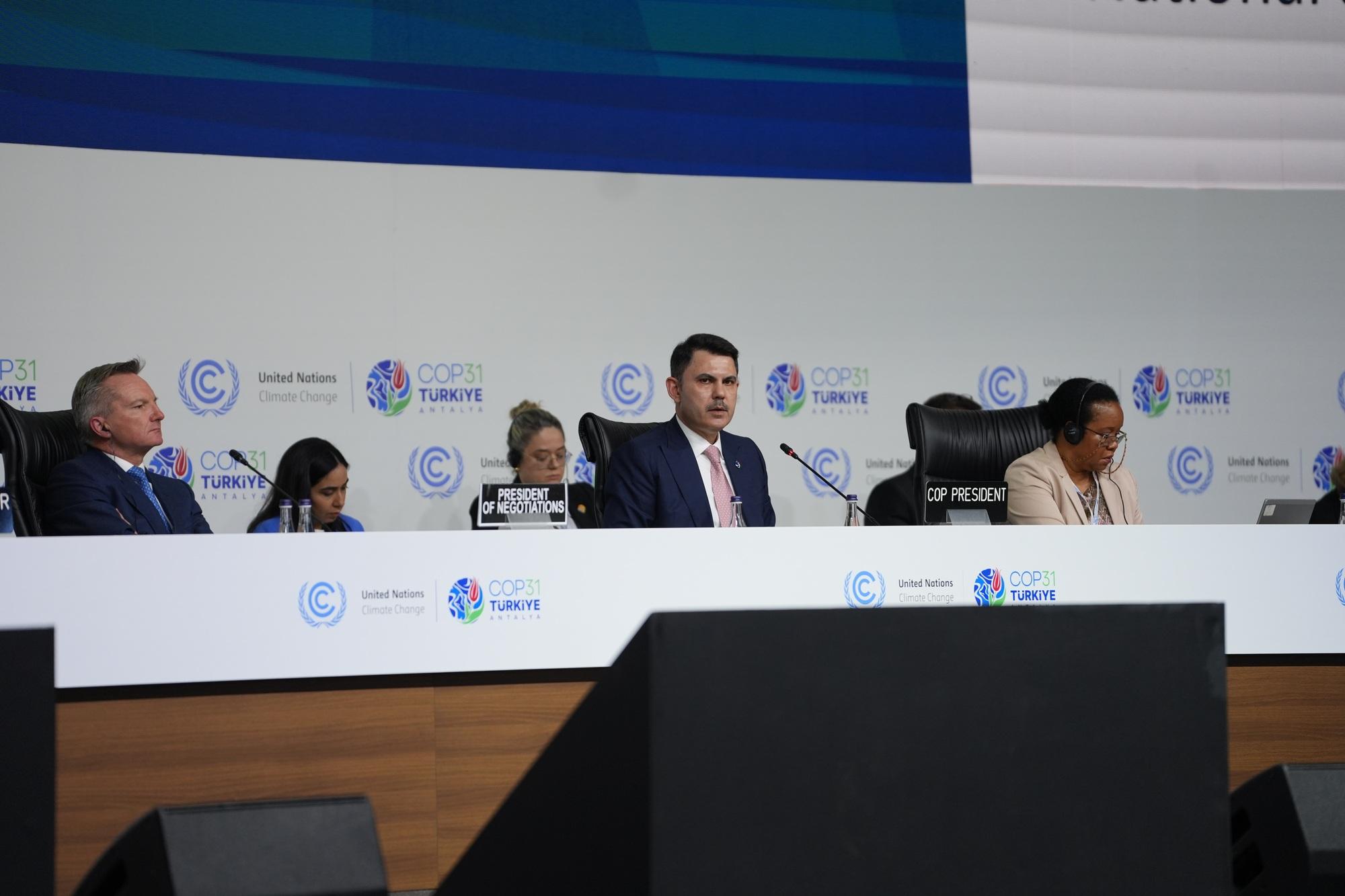
On the evening of 20 November 2026, before bringing down the gavel, Kurum checked whether any delegate wished to speak and dealt first with the items already settled, including Article 6 of the Paris Agreement and matters relating to the Least Developed Countries. He then suspended the plenary so his team could keep revising the draft. After two more days of talks, the closing plenary on 22 November 2026 still could not reach consensus on the cover decision. Some Parties said the draft was too weak because it made no mention of moving away from fossil fuels, while oil producers opposed any language on phasing them out. Kurum told the plenary: “I understand that there is no agreement on this text. For that reason, these decisions have not been adopted.”
It was the first time since the Copenhagen conference in 2009 that a COP had failed to adopt an overall political agreement.
Over the two weeks, Kurum saw progress moving at two different speeds. The formal negotiations stalled over the wording on fossil fuels, while the Action Agenda built up an electrification plan backed by more than 150 countries, 37 cities and over 260 companies. These voluntary initiatives do not have to wait for a negotiated text, and cities and companies can start putting projects into their budgets. The divisions at the negotiating table will move on to COP32, to be held next year in Addis Ababa, Ethiopia.
“Only implementation can save us.”
Kurum said this before the conference. With Antalya ending without a shared text, the line has become the plainest summary of his term as President. At the opening he said the conference’s decisions only really begin to work once they leave the hall. The answers will now be written in a household’s electricity bill, a city’s procurement budget and the next upgrade of a factory production line.
Editor’s Picks
COP30 Leaders|COP30 CEO Ana Toni: If You Are Not Part of the Solution, You Are Part of the Problem!