
From artificial intelligence and advanced manufacturing to cross-border investment, three days of discussions in Shanghai examined how technological innovation can translate into industrial and commercial value.
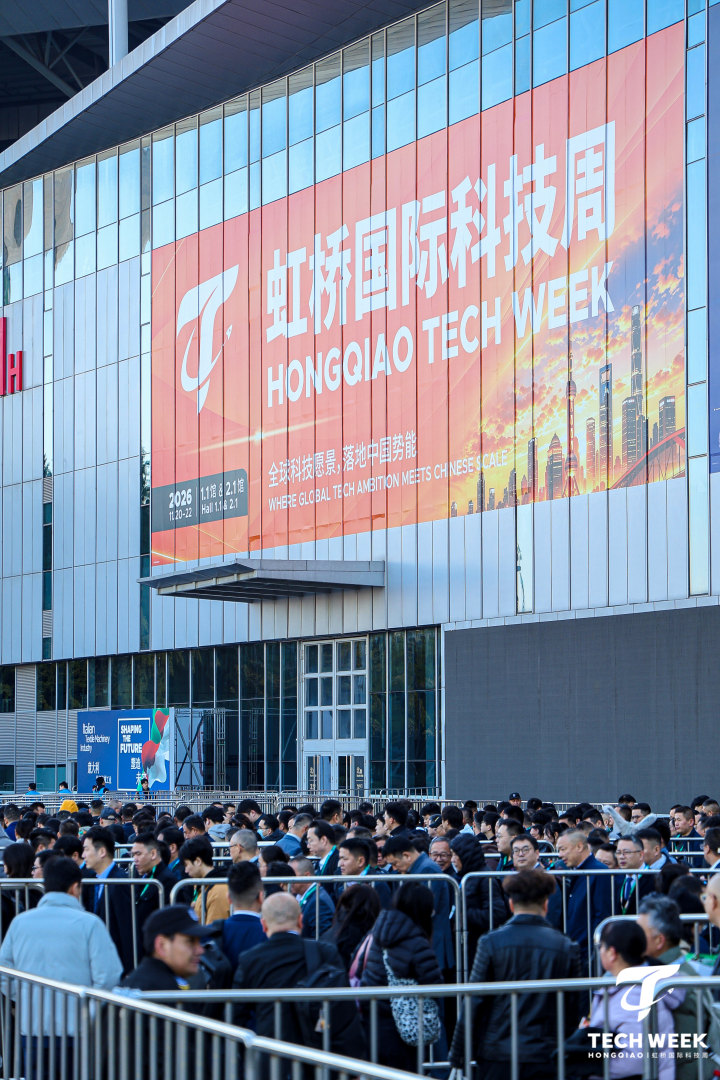
Technology is increasingly becoming a question of execution. For companies developing artificial intelligence, robotics and next-generation infrastructure, the challenge extends beyond technical capability to commercial viability, organizational readiness and international expansion.
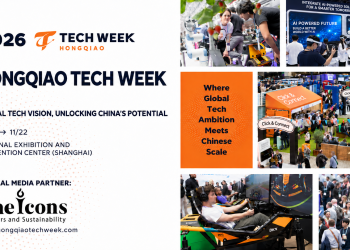
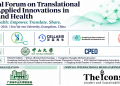
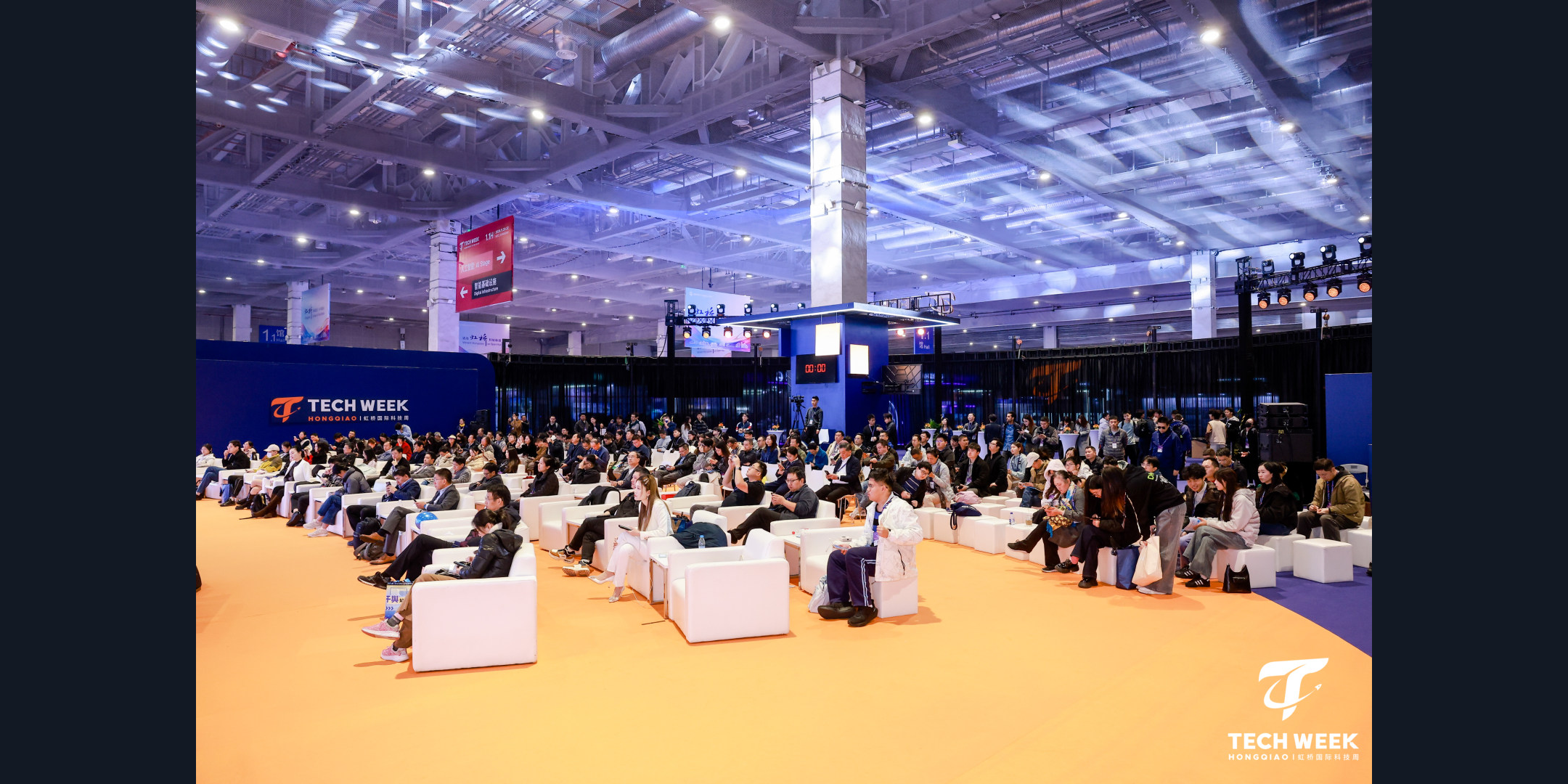
These questions provided a common thread across Hongqiao Tech Week 2026, held from November 20 to 22 at the National Exhibition and Convention Center in Shanghai.
The event brought together business leaders, entrepreneurs, investors, researchers and industry professionals to examine emerging technologies and the opportunities for collaboration between China's innovation ecosystem and international markets.
As the official international media partner of Hongqiao Tech Week 2026, The Icons conducted a series of original interviews exploring the business decisions, leadership perspectives and strategic challenges behind technological change.
From Technological Capability to Industrial Value
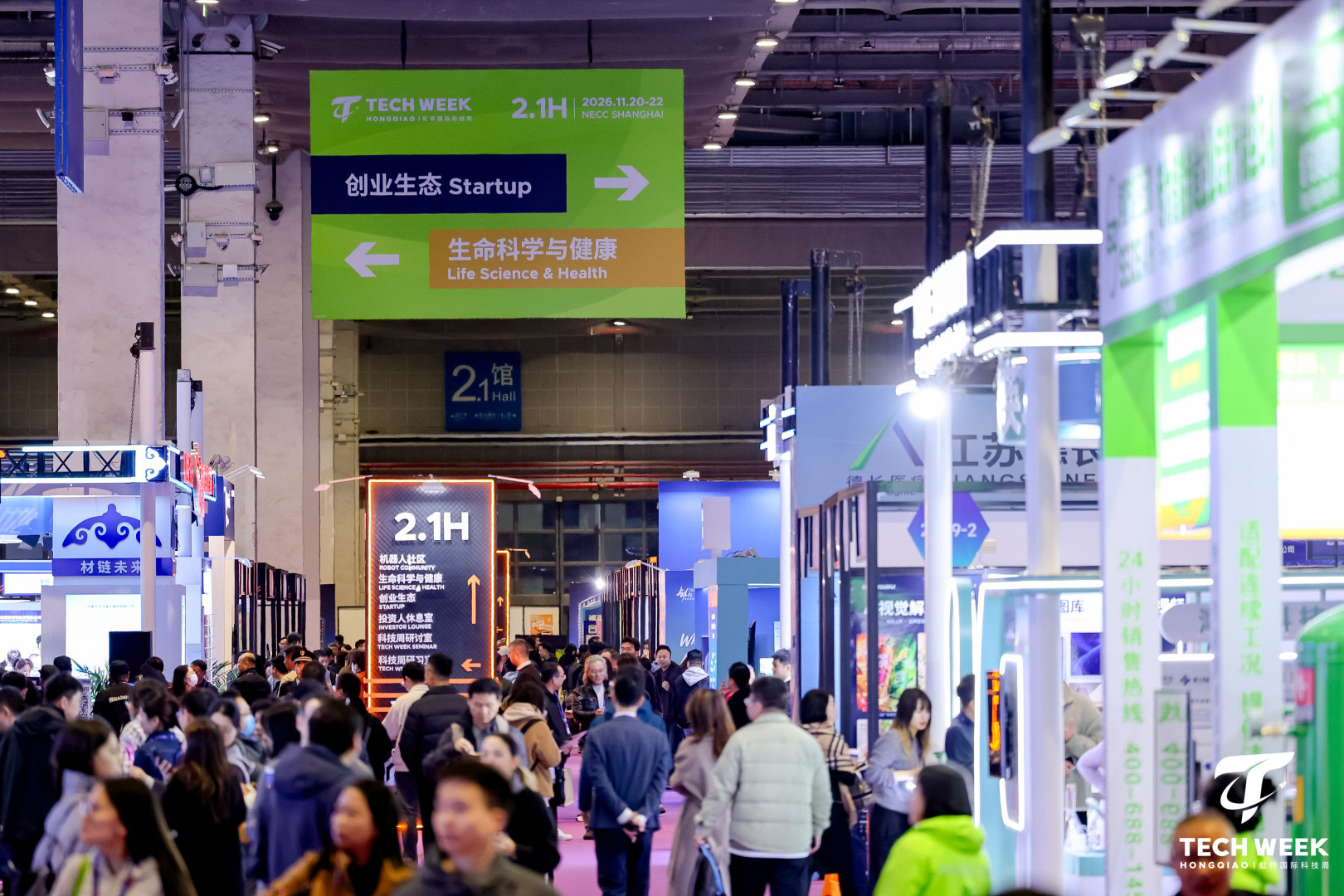
The event's agenda was organized around six industry themes: artificial intelligence, smart infrastructure, future mobility and energy, life sciences and healthcare, smart industry, and the startup ecosystem.
Discussions ranged from quantum computing and brain-computer interfaces to autonomous mobility, intelligent manufacturing and pharmaceutical innovation.
What connected these seemingly distinct fields was a fundamental business question: how can emerging technologies move beyond research and demonstration to become commercially viable at scale?
The answer depends on more than technological performance. Companies also need access to industrial applications, reliable infrastructure, capital, talent and customers willing to adopt new solutions.
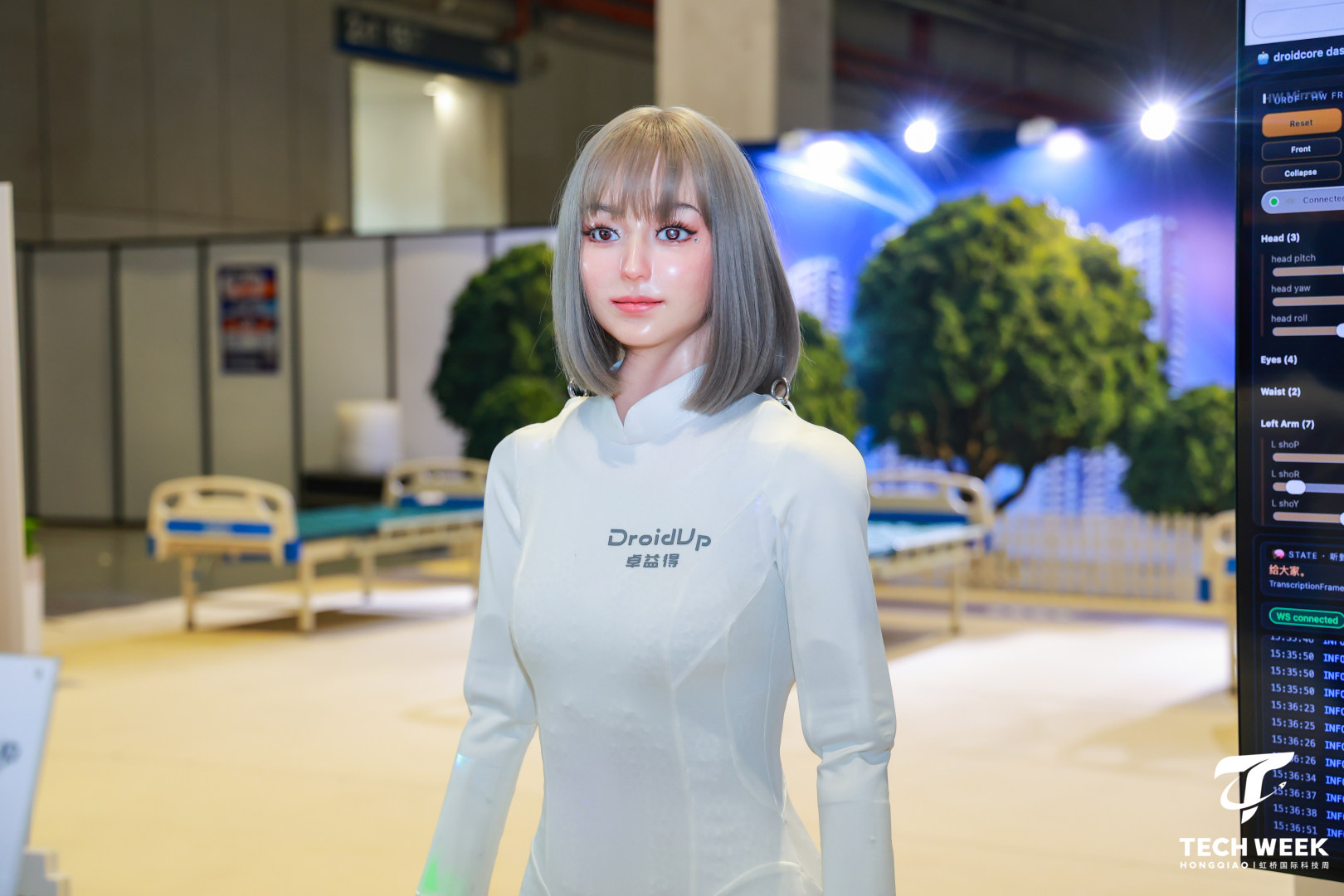
The exhibition offered a glimpse into these possibilities, with humanoid robots, intelligent hardware and other emerging technologies illustrating the expanding relationship between digital intelligence and the physical world.
AI Moves into the World of Execution
Artificial intelligence featured prominently across the conference program, but the discussion extended well beyond the development of increasingly powerful models.
Sessions addressed AI governance, autonomous agents, data infrastructure, enterprise transformation and industrial applications.
As AI moves into manufacturing, healthcare, mobility and energy, businesses face a different set of challenges. Reliability, safety, implementation costs and organizational accountability become as important as technical capability.
For executives, the emerging question is not simply whether to adopt AI. It is how to integrate it into business operations in ways that create measurable and sustainable value.
The growing attention to physical AI and embodied intelligence reflects this shift. Robotics and intelligent manufacturing provide environments in which the gap between technological demonstration and commercial deployment becomes particularly visible.
Building Businesses Across Borders
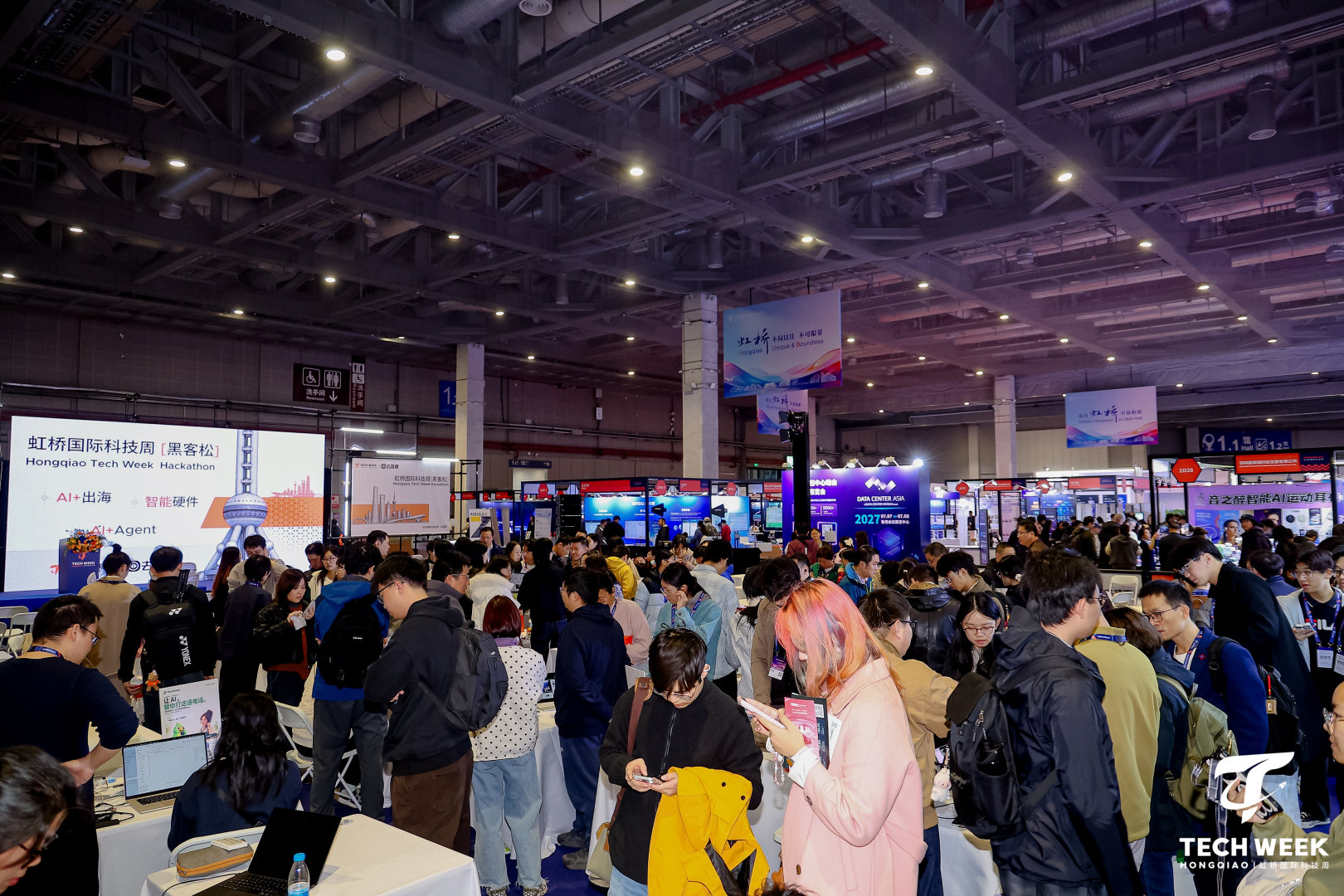
Another central theme was the internationalization of technology companies.
The startup-focused program examined global innovation networks, cross-border collaboration, commercialization and the challenges of entering new markets.
Hackathon activities and technology exhibitions also provided opportunities for entrepreneurs and technical talent to engage with the broader innovation community.
For Chinese technology companies, international expansion increasingly involves more than selling products overseas. It requires understanding local business environments, developing operational capabilities and building relationships with partners in unfamiliar markets.
For international companies and investors, China's industrial networks, supply chains and technological expertise present potential opportunities for collaboration.
Hongqiao Tech Week offered a setting in which these different participants could examine where their interests and capabilities might intersect.
Shanghai's Role in Global Innovation
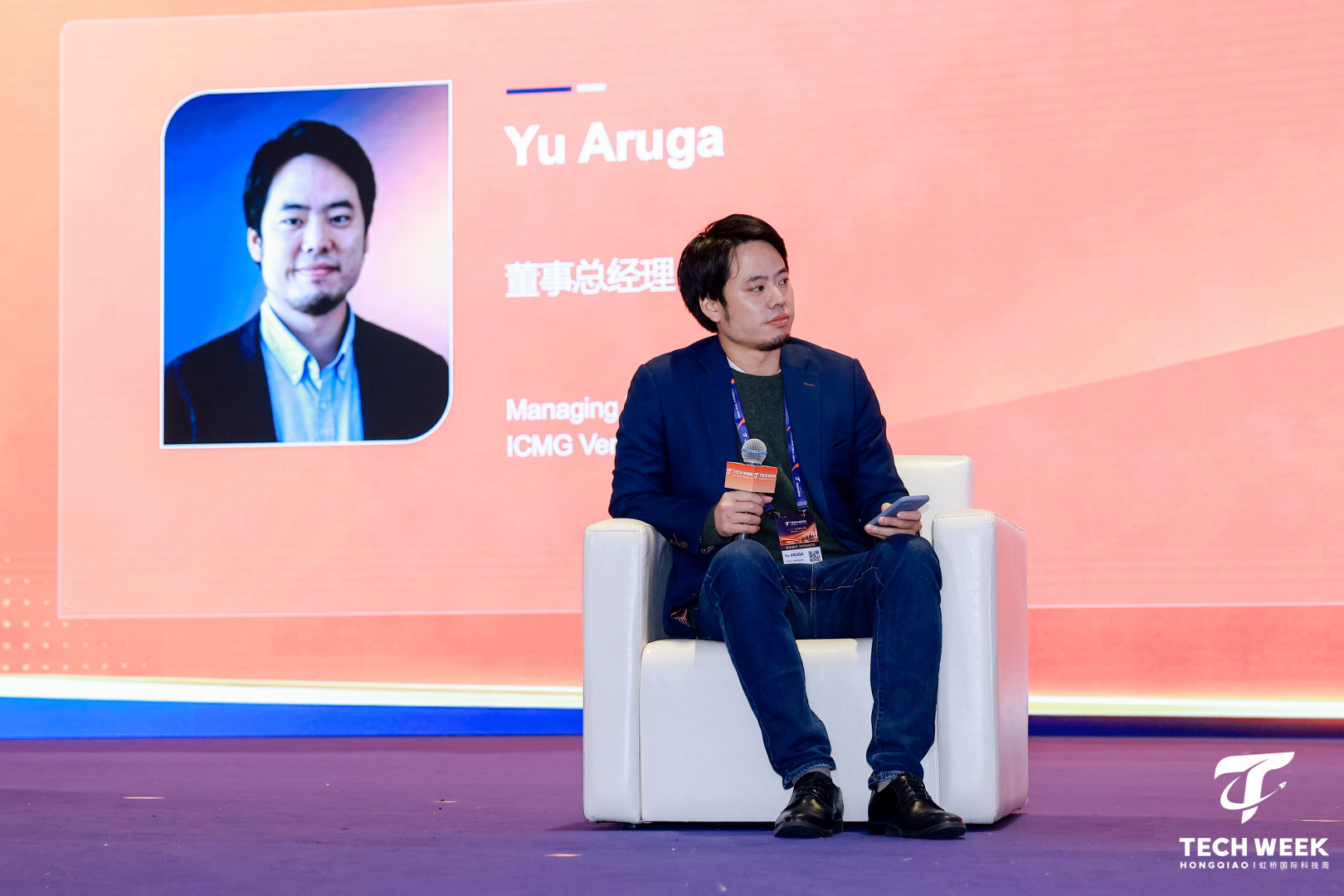
Hongqiao's position as an international business and transport hub gives it a distinctive role within Shanghai and the wider Yangtze River Delta region.
The conference agenda connected regional industrial development with technology transfer, investment and international business cooperation.
As innovation becomes increasingly distributed across markets, the ability to connect research institutions, industrial partners, investors and international customers becomes an important source of competitiveness.
Events such as Hongqiao Tech Week provide a forum for those connections. Their longer-term value, however, will depend on whether conversations develop into sustained commercial, research and investment relationships.
The Icons: Exploring the Leadership Behind Technological Change
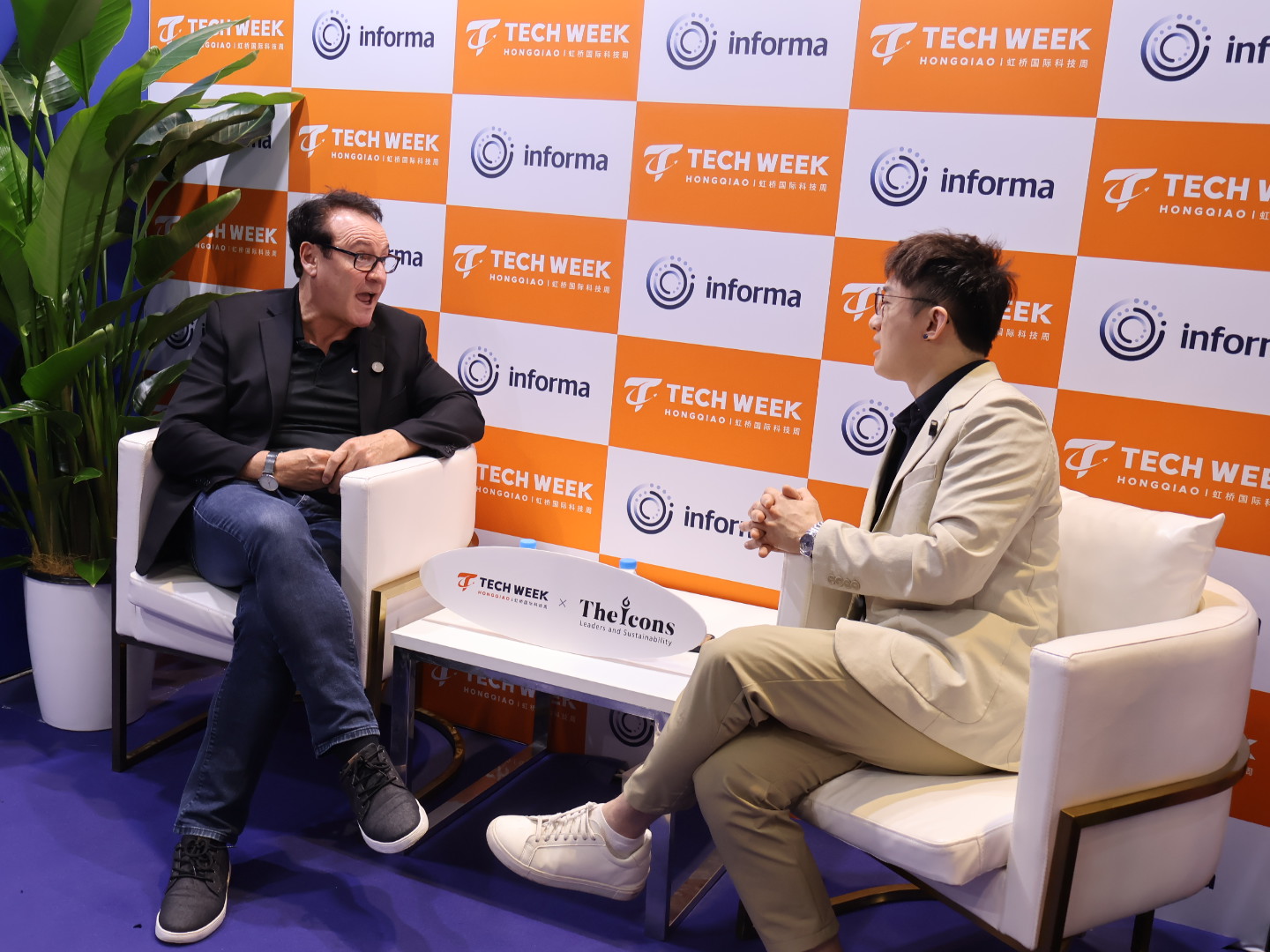
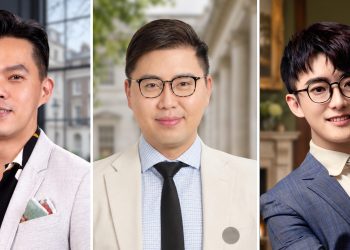
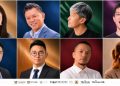
As the official international media partner of Hongqiao Tech Week 2026, The Icons conducted interviews with business executives, entrepreneurs, investors and industry specialists.
The conversations explored AI-driven brand visibility and trust, spatial intelligence, industrial digitalization, cross-border investment, entrepreneurial ecosystems, intelligent manufacturing and legal governance.
These subjects point to a wider leadership challenge: understanding how technological advances influence business strategy, institutional trust and the decisions companies make about growth.
The Icons will publish a dedicated interview series following the event, bringing these perspectives to international readers in English, Simplified Chinese, Traditional Chinese, French, Spanish and Japanese.
Hongqiao Tech Week has concluded. The more consequential questions it raised — about technology adoption, commercial execution and international cooperation — remain open.
They will form the focus of The Icons' forthcoming editorial series.
Editor’s Picks