
A factory can switch to electricity. A country cannot always replace the coal and gas that keep its grid running at the same pace. In Antalya, that gap became the central problem in the COP31 negotiations. Some wanted the shared decision to set out a direction for leaving fossil fuels behind. Others cared more about what it would cost, how long it would take to replace existing equipment and who would help carry the cost.
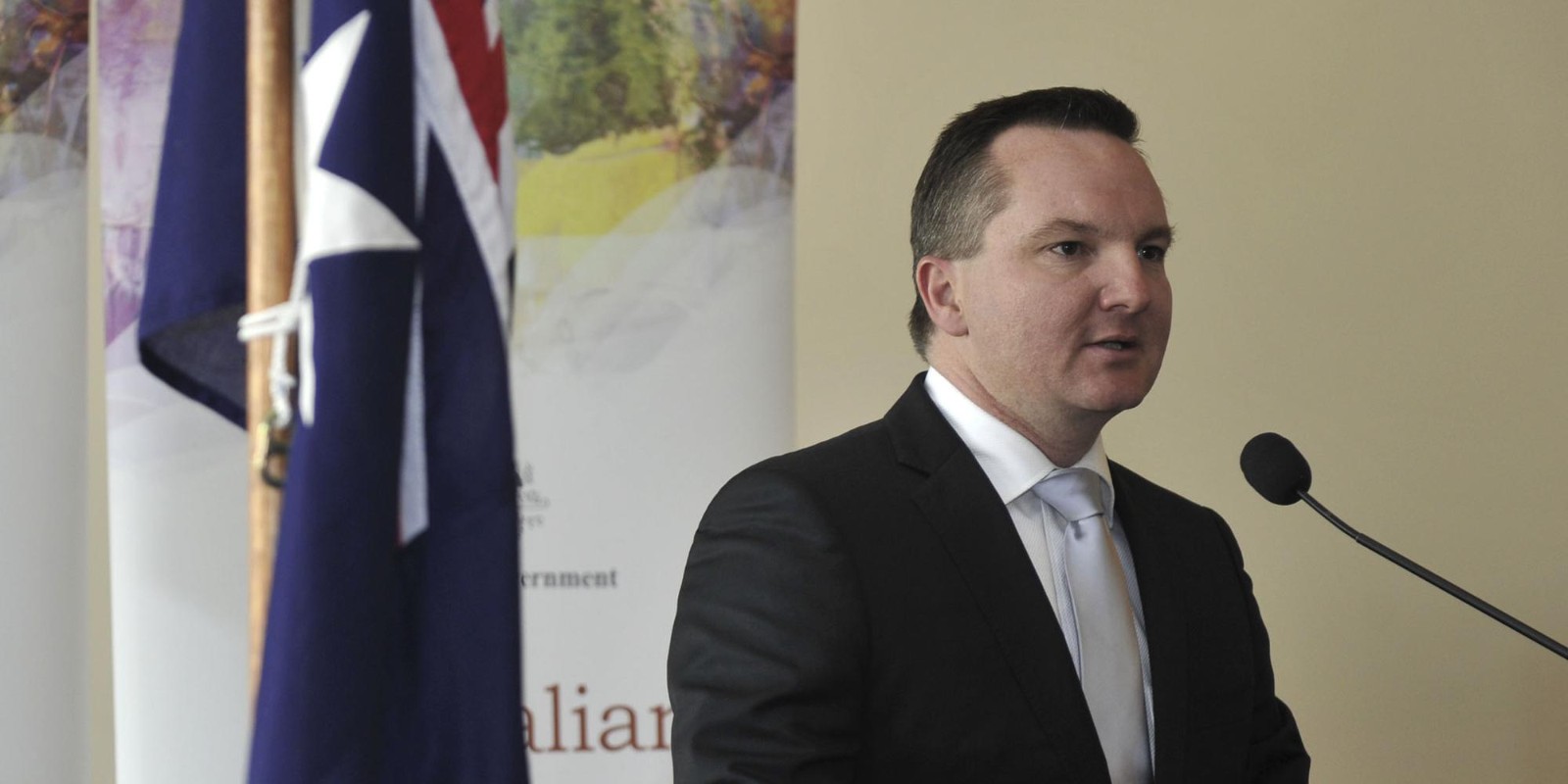
Chris Bowen, Australia’s Minister for Climate Change and Energy and COP31 President of Negotiations, put electrification at the centre of that argument: “Electrification is the key to moving away from fossil fuels.”
Bowen is a senior figure in the Australian Labor Party, a former Treasurer, and has been responsible for climate and energy policy since 2022. He comes from an energy exporting country, yet the talks he chaired also had to respond to the survival of Pacific island nations. For him, electrification earns its place at the negotiating table because it lets the Parties start discussing how to act. For island nations, being able to act usually depends on getting the money first.
Clean Power as the Route Away from Fossil Fuels
The second draft of the cover decision left out language on fossil fuels, bringing the divisions in the talks into the open. As President of Negotiations, Bowen had to find wording that could be written into a decision across very different positions. His approach was to send clean electricity to where energy use is highest. Electric vehicles replace petrol cars, heat pumps replace gas appliances and factories phase out fuels in processes that can run on electricity. These choices give the energy transition projects that can be invested in, procured and built, and they bring the negotiations up against the equipment and costs industries already have.
The same equipment can produce different emission cuts in different countries. Where the grid still runs mainly on coal or gas, new demand shifts some emissions to power stations. Where transmission is weak, factories may not get a steady supply even when cheap renewable power exists. Bowen sees electrification as the method. The Parties that insisted on keeping a phase out direction in the decision wanted to know how much coal, oil and gas that method would eventually replace.
This also explains why carbon capture, utilisation and storage is contested. Bowen believes the technology has a role in some processes that are hard to decarbonise directly. He also said it cannot become an excuse to delay cutting emissions. For companies planning to upgrade equipment, the unresolved wording stands for a capital decision that will last years: which lines can switch straight to electricity, which have to wait for clean power supply to catch up and which will still need separate treatment for process emissions.

A Just Transition Needs Worker Protection and Climate Finance
On 20 November 2026 the Australian negotiating team proposed dealing with the just transition in stages. Parties would first discuss whether the work programme continues and what a new mechanism can do, leaving governance arrangements for further work at the subsidiary bodies’ meeting in June 2027. Some Parties supported reaching a consensus that could move forward now. Other delegates felt it was still too early to agree on what the mechanism should do. The argument over timing is about when countries and workers can draw on support such as technology and training.
Pacific island nations face an earlier hurdle. A remote community replacing diesel power has to pay for transport, maintenance and staff training as well as equipment. The projects may be small, but applying for finance still takes every document and all the expertise a large one would. The Presidency’s work update listed the Adaptation Fund and the climate finance work programme as items still under negotiation, giving the questions raised in the Pacific before the conference a concrete place in the talks: once resources are pledged, which communities can apply, and when will the money arrive?
This is why the just transition cannot be left to the energy sector alone. Removing a set of equipment affects local jobs and suppliers’ orders. Replacing diesel with a new power source changes who can carry out repairs and which parts have to be imported. If support comes in at the project design stage, a country has a chance to put worker training, technical assistance and finance on the same timetable. Bowen’s team gave this work a chance to be negotiated in stages, but the discussions in Antalya also showed how far apart the Parties remain, even on when to start talking about what the mechanism does.
From the Pacific to Antalya, the Tests Ahead
From the meetings held in Fiji and Tuvalu before the conference to chairing the negotiations in Antalya, Bowen carried the situation of Pacific island nations into the global talks. In Fiji he announced solar power for remote and island schools and made access to finance for small island states a priority. Of Australia and its Pacific neighbours he said: “We share a region, we share an ocean, and we share a future.”
At the negotiating table he found countries starting from very different places. Some were eager to write down a direction for phasing out fossil fuels, while others were still working out the cost of replacing their equipment. The electrification path he has pushed now faces two tests: whether new electricity demand actually replaces fossil fuels, and whether countries short of capital can launch transition projects of their own.
For island communities, the two tests end up on the same bill. A factory can switch to electricity first, a country has to wait for its grid and its finance to catch up, and remote communities are often last in line. At a press conference in Nadi, Fiji, Bowen put it plainly: “The countries that most need finance are the ones that find it hardest to access.”
For a school waiting for a reliable power supply, what negotiated text can deliver on the ground comes down to when the equipment arrives, whether power cuts become less frequent and whether there is still money for repairs years later.
Editor’s Picks
COP30 Leaders|COP30 CEO Ana Toni: If You Are Not Part of the Solution, You Are Part of the Problem!