The Icons
  • SDG
  • ESG
  • Leadership
  • AI Insights
  • Business
  • World
  • Succession
  • Innovation
  • More
    • Health
    • Women
    • Entertainment
    • Academic
    • Culture
    • Latest
    • Lifestyle
    • Tech
    • Opinion
    • About《The Icons》
  • 简体中文
  • 繁體中文
  • Français
  • Español
  • 日本語
Login
No Result
View All Result
The Icons
No Result
View All Result
Home ESG

COP31 Leaders | WMO Secretary General Celeste Saulo: Using Climate Warnings to Act Before Disaster Strikes

Jack Sullivan by Jack Sullivan
November 26, 2026
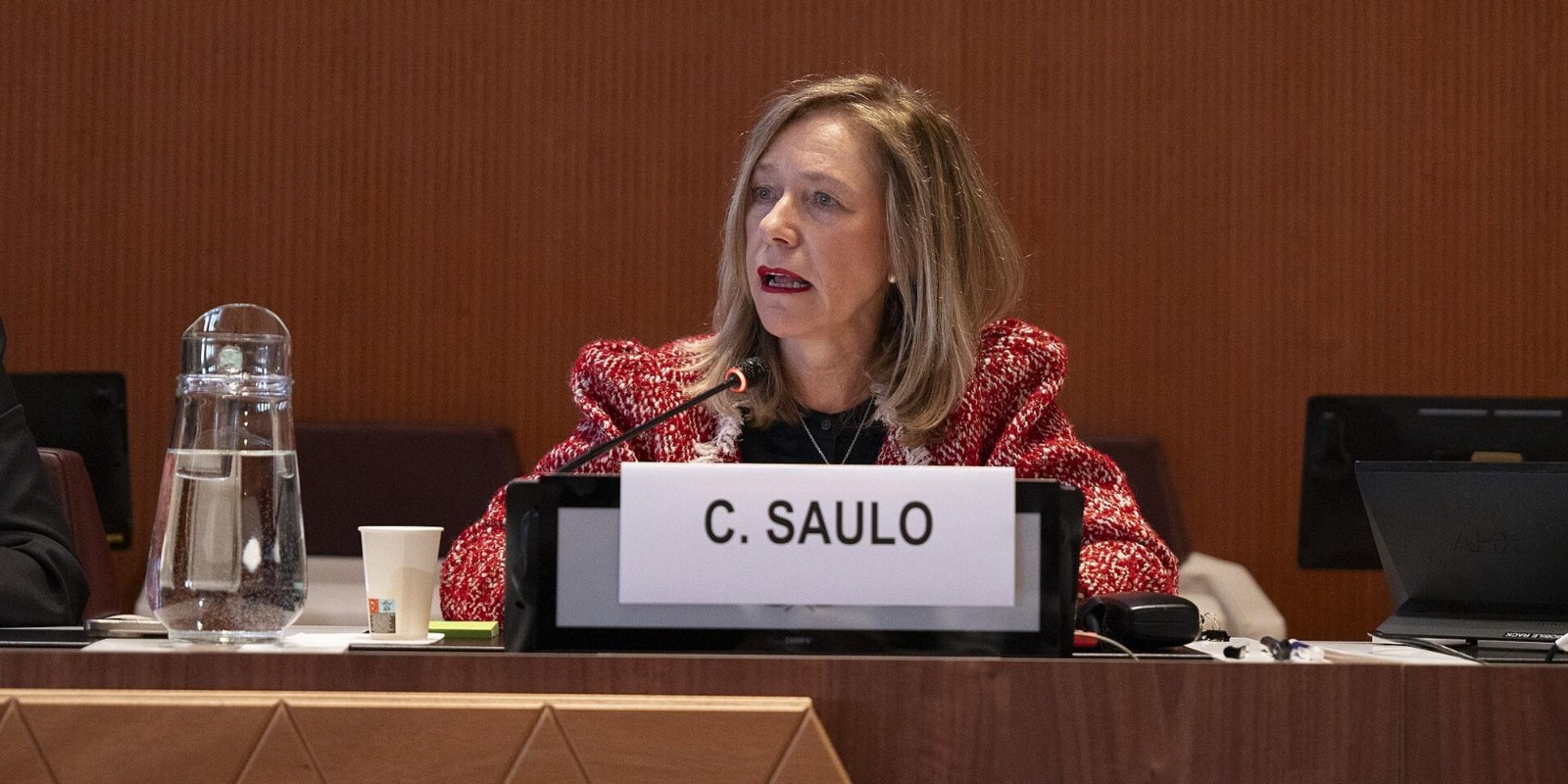
WMO Secretary General Celeste Saulo

WMO Secretary General Celeste Saulo (Photo: Carl Philipp Von Limburg / UNCTAD)

When is a drought severe enough to release aid money? Usually local authorities only have reason enough to ask for help once water runs short and harvests fall. In Antalya, Celeste Saulo, Secretary General of the World Meteorological Organization (WMO), pointed to two earlier examples: Madagascar and Zimbabwe used weather forecasts to release humanitarian funds before drought arrived.

You might also like

COP31 Leaders | UNFCCC Executive Secretary Simon Stiell: Advancing Grid Cooperation, Methane Cuts and Adaptation Finance

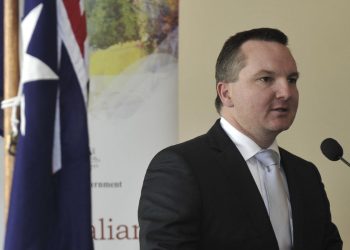
COP31 Leaders | COP31 President of Negotiations Chris Bowen: Using Electrification to Move Away from Fossil Fuels and Seeking Consensus on a Just Transition

COP31 Leaders | COP31 President Murat Kurum: Driving Global Electrification So Cities and Industry Deliver on Climate Pledges

Saulo is an Argentine meteorologist who previously headed Argentina’s National Meteorological Service. In 2024 she became WMO Secretary General, the first woman to hold the post. Years of work in a national weather service have made her especially concerned with whether a forecast ends up being used. On 11 November 2026 she presented the state of the climate at the COP31 Leaders’ Summit. Over the first nine months of 2026, the global average temperature was about 1.47°C above preindustrial levels, and ocean heat content and sea level both reached record highs. At a high level meeting on early warning in Africa on 12 November 2026, she took the same science to another question: if we know a risk is approaching, who can decide to act first?

From El Niño Forecasts to Drought Response in Africa

Global weather centres first identify the signal of El Niño from ocean and atmospheric data. Regional centres then assess how different areas may be affected, and national meteorological services issue warnings. Saulo told the meeting that after the WMO issued its forecast in June 2026, the African continental climate forum met in Lusaka within two weeks, and African Union ministers held a special session in July 2026. Step by step, this work turned a global assessment into information that residents and governments could use to plan farming or prepare for disasters.

The cases of Madagascar and Zimbabwe gave this process a result that can be observed: forecasts allowed humanitarian funds to be released early. For agencies, getting resources in advance means they can move supplies and staff. For communities, it means they can prepare before the dry season reaches its worst, which leaves them more options.

In Antalya Saulo also gave a figure: fewer than half of the people affected in Central and West Africa received a warning in advance. Observation stations, local languages, mobile signal or administrative authority can each leave a message stuck along the way. “A forecast only has value when someone uses it.” She used that line at the Africa session as the measure for the whole service.
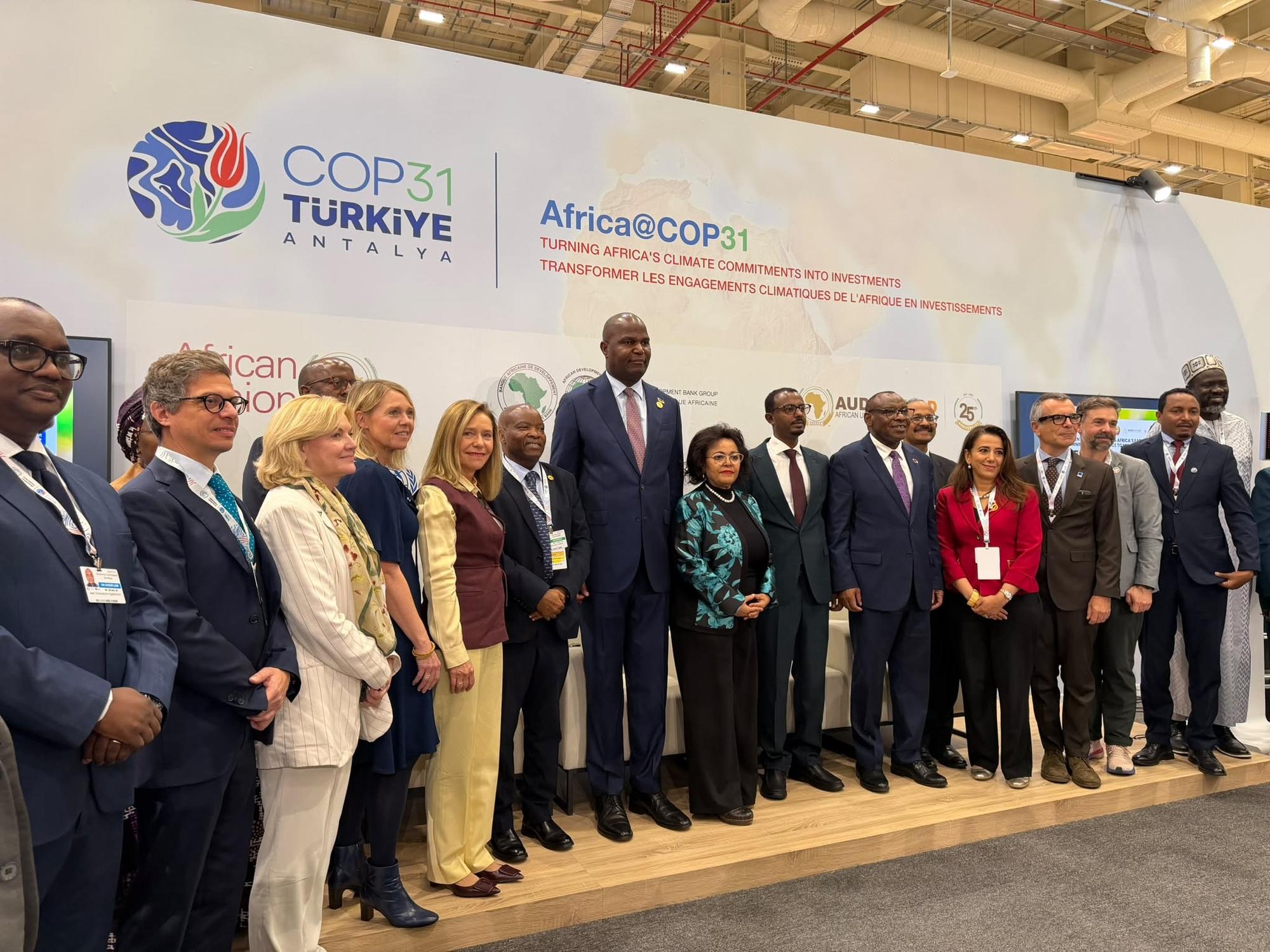
Participants at the COP31 high level event on accelerating early warnings in Africa, Antalya.
Participants at the COP31 high level event on accelerating early warnings in Africa, Antalya. (Photo: World Meteorological Organization)

Sustained Investment in Weather and Early Warning Services

At the high level event on Early Warnings for All on 11 November 2026, Saulo explained that new WMO technical regulations on warning services will take effect in January 2027. Common standards can spell out what services countries should provide. Whether observation stations work, whether staff can keep up their shifts and whether local agencies know what to do when an alert arrives are costs that have to be met every year.

Speaking the next day about these running costs, Saulo compared weather services to hospitals: like other essential public services, they need a budget that can be relied on year after year. She also said the WMO now supplies forecasts directly to more than a hundred humanitarian organisations through a coordination mechanism. That gives warnings one more user. Which places can act early still depends on whether they have the institutions and the funds to draw on.

At the Leaders’ Summit Saulo also noted that the places with the biggest gaps in observation are often the ones hit hardest by disasters. When a region lacks long term data, the gap also weakens regional assessments further down the line. At the Global Heat Forum in Bangkok in October she had already said: “No country can sustain this system alone, but every country depends on it.” For countries with limited funds, the value of a new observation station lies in whether its data keep flowing out, feed back into forecasting systems and finally return in a language local people understand. This is why Saulo kept discussing observation, early warning and public budgets together in Antalya.

From Antalya to Ethiopia, Widening Early Warning Coverage

At the Africa session Saulo noted that the next climate conference will be hosted by Ethiopia, and she hoped this round of cooperation on early warning would carry on there. Madagascar and Zimbabwe already have experience that can be tracked, and the gaps in Central and West Africa are just as clear.

In the end, progress on this work has to be measured by the people who receive the warnings: when they learn of the danger, whether they can adjust their farming or evacuate, and whether local authorities are ready when help is needed.

“The science is not in doubt. The question is whether we act, and whether we act in time.” Saulo said this when briefing member states before the conference. How severe must a drought be before aid money can be released? For Madagascar and Zimbabwe, the answer was to act before the drought arrived. For communities in Central and West Africa that still receive no warning, the answer depends on whether the next forecast reaches them early enough.

Editor’s Picks

COP29 Leaders|Special Advisor on Climate Change Avinash Persaud: Unlocking the Climate Finance Gridlock Through Multilateral Development Banks

COP30 Leaders|COP30 CEO Ana Toni: If You Are Not Part of the Solution, You Are Part of the Problem!

Tags: Celeste SauloClimate ChangeCOP LeadersCOP31Early Warnings for AllEl NiñoThe IconsWMOWorld Meteorological Organization
ShareShareTweet
Jack Sullivan

Jack Sullivan

Jack Sullivan, University of Melbourne, MSc in Environmental Science. Environmental writer at 《The Icons》. Obsessed with climate solutions and rewilding projects. I recharge by surfing the Australian coast.

Recommended For You

Simon Stiell, Executive Secretary of the United Nations Framework Convention on Climate Change

COP31 Leaders | UNFCCC Executive Secretary Simon Stiell: Advancing Grid Cooperation, Methane Cuts and Adaptation Finance

by Emily Woods
November 26, 2026

Chris Bowen, COP31 President of Negotiations

COP31 Leaders | COP31 President of Negotiations Chris Bowen: Using Electrification to Move Away from Fossil Fuels and Seeking Consensus on a Just Transition

by Amal Khaled
November 26, 2026

COP31 President Murat Kurum

COP31 Leaders | COP31 President Murat Kurum: Driving Global Electrification So Cities and Industry Deliver on Climate Pledges

by Daniel Carter
November 26, 2026

UN Secretary General António Guterres

COP31 Leaders | UN Secretary General António Guterres: Speeding Up the Clean Energy Transition and Reducing Dependence on Fossil Fuels

by Omar Farooq
November 26, 2026

China, the US and Russia Meet at APEC in Shenzhen: What Can Great-Power Dialogue Do for Global Sustainability?

China, the US and Russia Meet at APEC in Shenzhen: What Can Great-Power Dialogue Do for Global Sustainability?

by Amal Khaled
November 22, 2026

Top Views

Connecting Clinical Needs with International Collaboration: Guangzhou to Host Global Forum on Translational and Applied Innovations in Life and Health

Connecting Clinical Needs with International Collaboration: Guangzhou to Host Global Forum on Translational and Applied Innovations in Life and Health

November 21, 2026
Lord Chris Smith addressing alumni in Shanghai

Cambridge’s New Chancellor in East Asia, First Stop Shanghai: How a Great University’s Influence Endures Across Eras and Continents

July 27, 2026
“Beyond the Kitchen” forum key visual

CAMentrepreneurs Taipei Forum “Beyond the Kitchen”: Succession, Reform and the Search for Growth

November 13, 2026
ITIC President Karen Yu speaking at ITIC Tech Day

From Taipei to Cambridge: ITIC President Karen Yu Builds a Deep Tech Innovation Corridor Between Taiwan and the UK

October 29, 2026
Dr Bruce Wang Lei, Founder and CEO of EcoFlow. (Photo: EcoFlow)

We’ve Talked About the Future of Energy for Too Long — Dr Bruce Wang Lei, Founder and CEO of EcoFlow: Smart Home Energy Solution is Becoming the answer

December 8, 2025
Dr Wei-Min Chen, director of MORI TCM CLINIC, moved from occupational therapy into traditional Chinese medicine. He developed Root Cause Balance Medicine to make sense of the different ways the body can fall out of balance.

Seeing the Tree and Understanding the Forest: Dr Wei-Min Chen of MORI TCM CLINIC on the Principles and Practice of Root Cause Balance Medicine

November 24, 2026

The Icons

  • About The Icons
  • Advertising Policy
  • Cookie Policy
  • Corrections Policy
  • Editorial Standards
  • Icons Forum
  • Privacy Policy
  • Terms of Use

CATEGORIES

SDG ESG Leadership Business
Succession Academic Lifestyle Culture
World Innovation Tech Health
Entertainment Latest Opinion Women

Contact us

Email: [email protected]


© 2026 THE ICONS COLLECTIVE LTD. All Rights Reserved. Registered in England and Wales, company no. 15854593. Registered office: 2 Nichols Green, Montpelier Road, London W5 2QU, United Kingdom.

Sign in or create your account
OR USE
Please wait. Signing you in...
Forgot Password?
Don't have an account? Signup now
OR USE
Please wait. Signing you in...
Already a member? Login
OR USE
Please wait. Signing you in...
Lost your password? Please enter your username or email address. You will receive a link to create a new password via email.
No Result
View All Result
  • SDG
  • ESG
  • Leadership
  • Business
  • World
  • Health
  • Succession
  • Innovation
  • Entertainment
  • Academic
  • Culture
  • Latest
  • Lifestyle
  • Tech
  • Opinion
  • Women
  • About《The Icons》
  • Login

© 2026 THE ICONS COLLECTIVE LTD. All Rights Reserved. Registered in England and Wales, company no. 15854593. Registered office: 2 Nichols Green, Montpelier Road, London W5 2QU, United Kingdom.

Are you sure want to unlock this post?
Unlock left : 0
Are you sure want to cancel subscription?