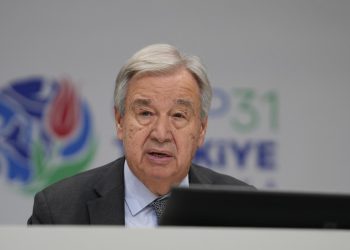

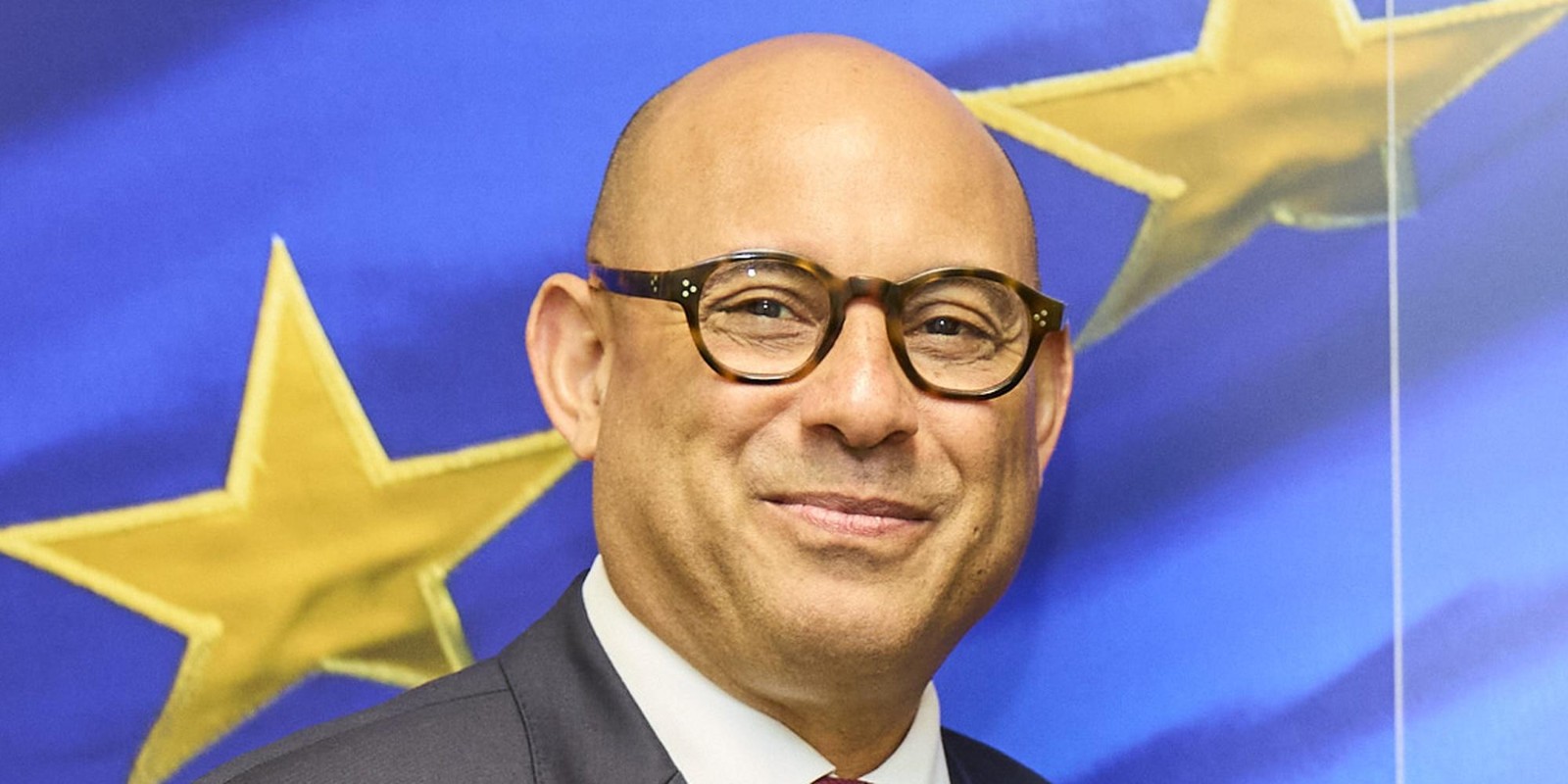
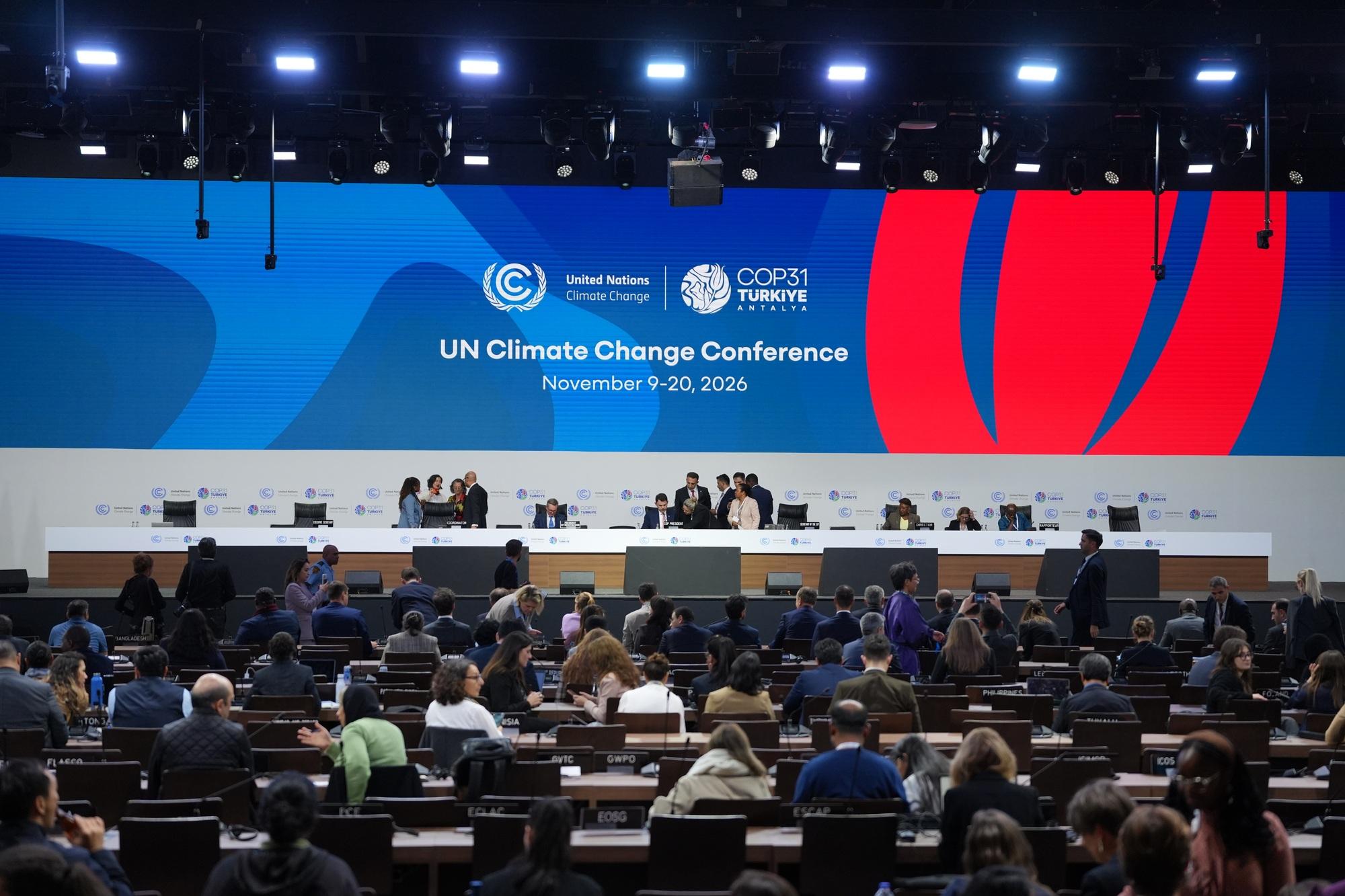
Countries can agree to expand renewable energy, but whether two places can share a grid depends on another set of people negotiating cooperation. Governments can pledge more adaptation finance, yet in a community that floods again and again, local officials still need to know which funds they can apply for and when they will hear back. At the opening in Antalya, Simon Stiell, Executive Secretary of the United Nations Framework Convention on Climate Change (UNFCCC), singled out these problems, which tend to stay buried in conference documents.
Stiell comes from Grenada, a Caribbean island state. He worked in the technology industry for many years before entering politics, then joined the Government of Grenada with responsibility for climate resilience and the environment, and became UNFCCC Executive Secretary in 2022. For a small island state, energy imports, disaster recovery and public services all come out of the same budget, and the timing of international support decides whether much of the work at home can stay on schedule. In Istanbul in February this year he applied that experience to the whole world: “Climate action can bring stability to an unstable world.”
This is also why, at the opening in Antalya, he spoke about grids, methane and adaptation finance in the same speech.
Grids Across Borders and Methane Cuts
At the opening Stiell said that previous COPs had already sent plenty of signals to markets and policymakers, and that the next step was to break existing goals down into work. For grids, new power has to be able to flow between regions, operators have to balance demand in different areas, and investment in generation and transmission has to be planned together. For methane, the oil and gas and waste sectors each have different sources of emissions, and the measures that can cut them need to be chosen by people who know the equipment and the processes on site.
At the opening ceremony he invited countries to appoint voluntary focal points for the Action Agenda. Some developing countries find it hard to take part throughout, and even when finance, technology or cooperation across borders comes up at the conference, they may have no one to pick it up. The secretariat hopes the focal points will carry progress and opportunities back home and pass them to the officials responsible.
For a grid project to keep moving after the conference, governments need to know who leads the negotiations, and companies and investors need someone they can stay in contact with. The arrangement adds only one contact person, but it deals with a real question: who, in each country, can bring outside opportunities into existing budgets and decisions.
Linking the Action Agenda and the Negotiations to Unlock Adaptation Finance
The electrification action plan of 19 November 2026 gathered the grid, electricity access, transport and industry projects put forward or updated during the conference. Government representatives could see which plans were already moving and where there were needs for finance or cooperation across borders. On the same day, Stiell noted that the formal negotiating rooms had 165 agenda items between them, and much of the work still needed the Parties’ agreement.
Adaptation finance shows best how the two tracks connect. The Action Agenda can introduce funders to projects proposed by local authorities, while the formal negotiations were still dealing with the Adaptation Fund, the finance work programme and related issues. For communities that live with flood risk year after year, a delay at any stage between pledge, proposal, approval and disbursement can mean waiting through another rainy season.
At the opening Stiell pointed out that the last conference had agreed to triple adaptation finance, yet developing countries still face obstacles in getting money that has already been pledged. Even a flood defence project that fits a national plan needs someone to prepare the proposal and produce a workable design, and the money has to be paid out promptly once it is approved. This is where the formal negotiations and the project partnerships outside them meet: one side has to make the finance system usable, and the other has to give local authorities the capacity to turn available funds into construction.
Measuring Results Ahead of the Next Global Stocktake
“These days are critical for climate cooperation. We have no time to waste,”
Stiell reminded the Parties on 19 November 2026. Over the two weeks he invited countries to appoint focal points and kept bringing the formal negotiations and the project partnerships outside them into the same conversation. The gap he saw was specific: national climate plans are more complete than before, but finance and the capacity to deliver have not caught up. For Stiell, the conference’s work extends to how countries divide responsibilities, set timetables and raise funds once they return home.
By the next Global Stocktake, it will be possible to check whether grid projects have started, whether methane emissions have fallen and when the adaptation funds that local authorities applied for have arrived. The work that already had someone responsible for it in Antalya will show sooner than any initiative whether this form of cooperation is moving forward.
“Let us bring our process closer to the real economy to accelerate implementation.”
That was Stiell’s call to countries early this year. After Antalya, the test of those words is specific: whether the grids of two places can actually be connected, and whether a community that floods again and again can find out which funds it can apply for and when it will hear back.
Editor’s Picks
COP30 Leaders|COP30 CEO Ana Toni: If You Are Not Part of the Solution, You Are Part of the Problem!